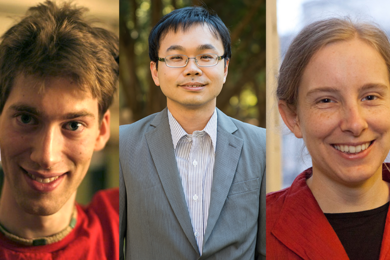
Three MIT physicists win 2015 NSF and DOE early-career awards
Assistant professors Aram Harrow, Yen-Jie Lee, and Tracy Slatyer will share $2.1 million in research support.
Assistant professors Aram Harrow, Yen-Jie Lee, and Tracy Slatyer will share $2.1 million in research support.
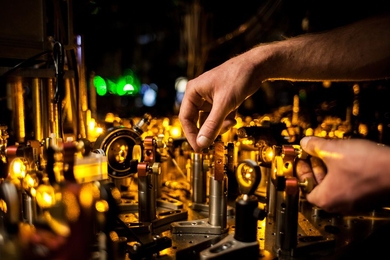
Instrument freezes and images 1,000 individual fermionic atoms at once.
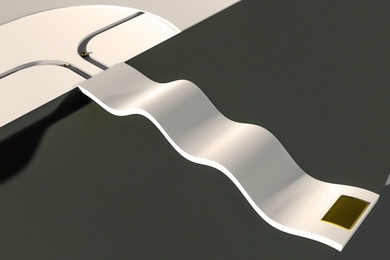
Device can measure the distribution of tiny particles as they flow through a microfluidic channel.
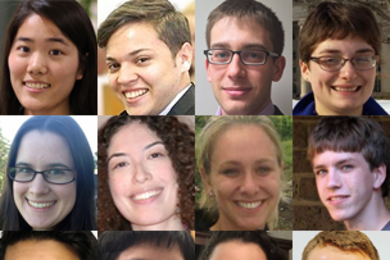
Highly qualified group of undergraduates brings prior lab experience, variety of interests, to pursue research opportunities in MIT labs.
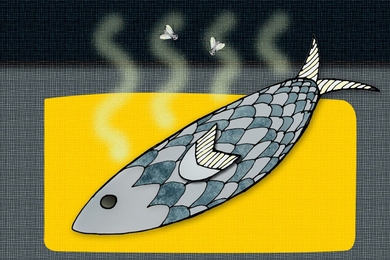
Tiny device could be incorporated into “smart packaging” to improve food safety.
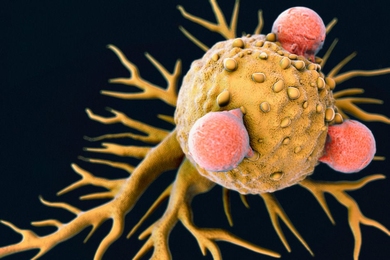
Stimulating both major branches of the immune system halts tumor growth more effectively.
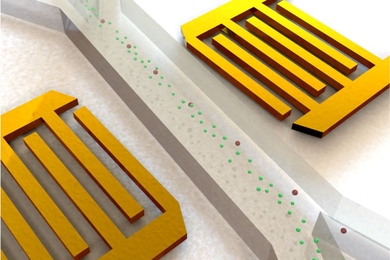
Acoustic device can rapidly isolate circulating tumor cells from patient blood samples.
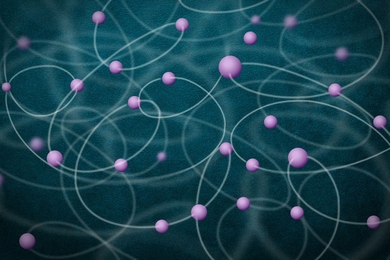
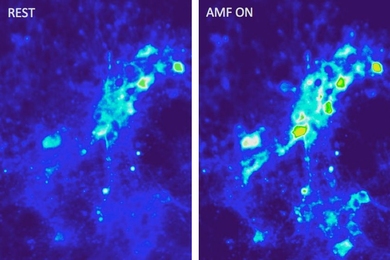
New technique could lead to long-lasting localized stimulation of brain tissue without external connections.

Neuroscientists find that different parts of the brain work best at different ages.

Instrument identifies methane’s origins in mines, deep-sea vents, and cows.

Study explains why galaxies don’t churn out as many stars as they should.
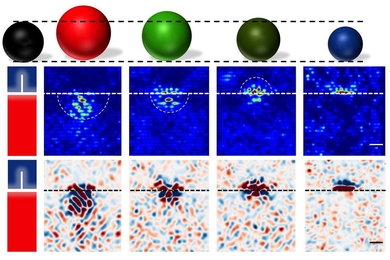
Dislocations in oxides seen as promising electrolytes create a “traffic jam” for charged ions.

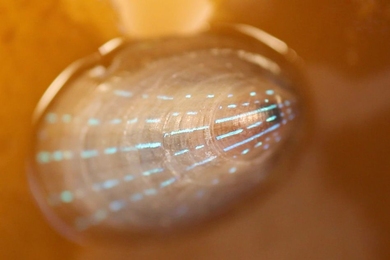
Optical features embedded in marine shells may help develop responsive, transparent displays.