
Designing better medical implants
Optimal size and shape allow implantable devices to last longer in the body.

Study links brain anatomy, academic achievement, and family income
In middle-schoolers, neuroscientists find differences in brain structures where knowledge is stored.
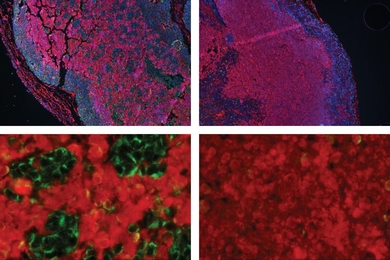
Biologists identify brain tumor weakness
Discovery could offer a new target for treatment of glioblastoma.
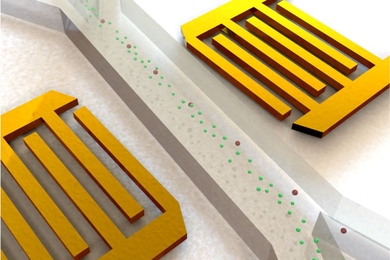
Using sound waves to detect rare cancer cells
Acoustic device can rapidly isolate circulating tumor cells from patient blood samples.
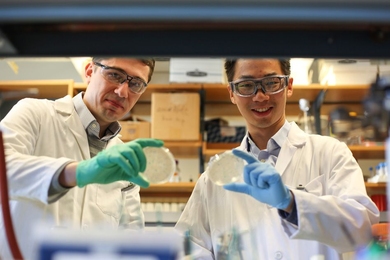
New evidence for how a rare form of liver cancer arises
MIT team finds mechanism by which exposure to vinyl chloride may produce cancerous mutations.
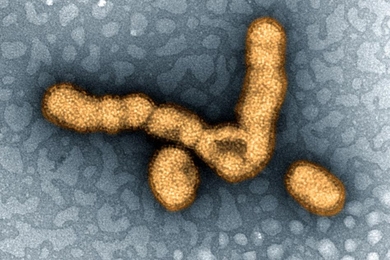
Swine flu outbreak in India raises concern
MIT study finds evidence that a new strain of H1N1 may carry dangerous mutations.

The rise and fall of cognitive skills
Neuroscientists find that different parts of the brain work best at different ages.

Center for Environmental Health Sciences announces 2015 call for pilot project proposals
Proposals are invited for basic and translational environmental health sciences research.
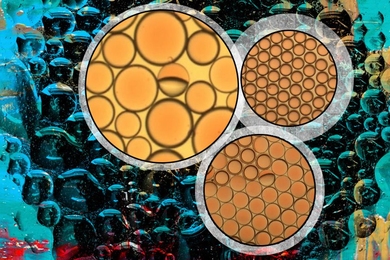
A simple way to make and reconfigure complex emulsions
Researchers can precisely control the distribution of liquids suspended within each other.
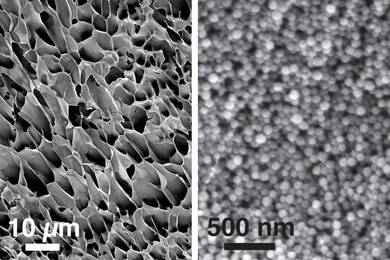
New nanogel for drug delivery
Self-healing gel can be injected into the body and act as a long-term drug depot.

Researchers generate a reference map of the human epigenome
Better understanding of epigenetic modifications could elucidate their role in human traits, diseases.

Epigenomics of Alzheimer’s disease progression
Study of epigenomic modifications reveals immune basis of Alzheimer's disease.
Engineered insulin could offer better diabetes control
Molecule stays in the bloodstream and is turned on when blood sugar levels are too high.