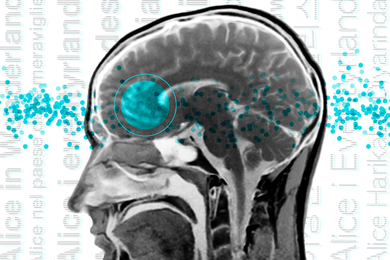
Whether speaking Turkish or Norwegian, the brain’s language network looks the same
Studying speakers of 45 languages, neuroscientists found similar patterns of brain activation and language selectivity.
Studying speakers of 45 languages, neuroscientists found similar patterns of brain activation and language selectivity.
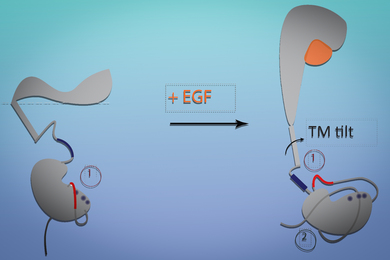
Insight into the way the EGF receptor sends signals into cells could help researchers design new cancer drugs that target this protein.
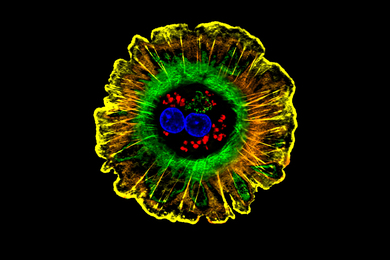
By tracing the steps of liver regrowth, MIT engineers hope to harness the liver’s regenerative abilities to help treat chronic disease.
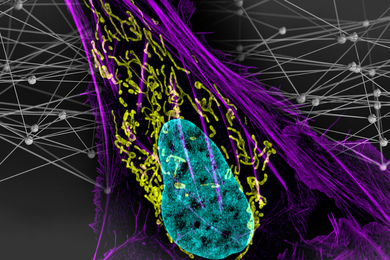
The system rapidly scans the genome of cancer cells, could help researchers find targets for new drugs.

Using this diagnostic, doctors could avoid prescribing antibiotics in cases where they won’t be effective.
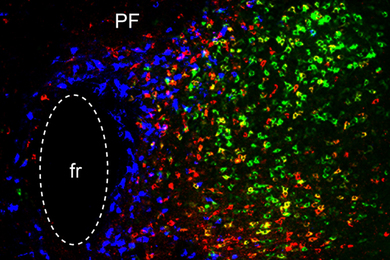
Targeting these circuits could offer a new way to reverse motor dysfunction and depression in Parkinson’s patients.
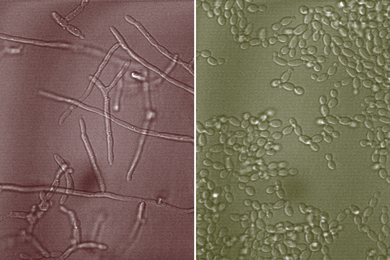
Harnessing the strength of these specialized sugar molecules could help researchers develop new antifungal drugs.

Two types of tau proteins mix together in a nearly random way to generate the tangles seen in the brains of Alzheimer’s patients.

Modeling study suggests that the muffled environment in utero primes the brain’s ability to interpret some types of sound.

Students and postdocs from MIT's Science Policy Initiative meet with lawmakers on science-engineering-technology Congressional Visit Days 2022.
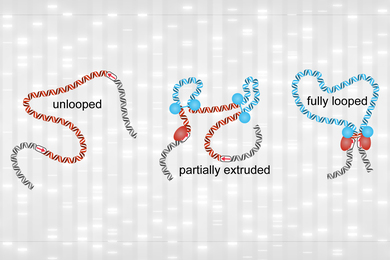
Study finds genome loops don’t last long in cells; theories of how loops control gene expression may need to be revised.
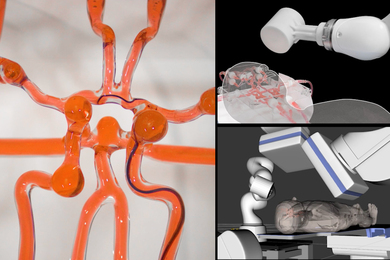
The system could provide teleoperated endovascular treatment to patients during the critical time window after a stroke begins.
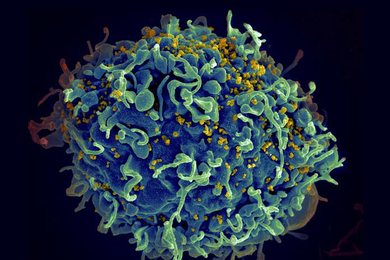
MIT biological engineers have developed a simple way to identify B or T cells that interact with viral or bacterial proteins.

A new analysis shows how milk-producing cells change over time in nursing mothers.
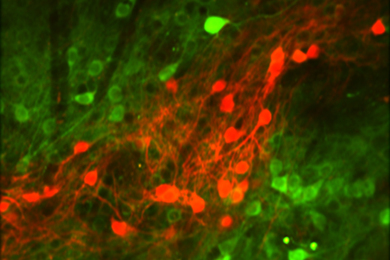
These cells, located in the brain’s striatum, appear to help with decision-making that requires evaluating risks and benefits.