Striking the cord: Optical control of motor functions
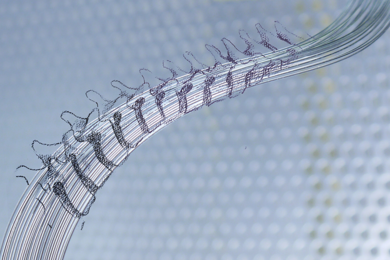
Grad student Chi Lu and colleagues demonstrate a highly flexible polymer probe for triggering spinal-cord neurons with light and simultaneously recording their activity.
Grad student Chi Lu and colleagues demonstrate a highly flexible polymer probe for triggering spinal-cord neurons with light and simultaneously recording their activity.
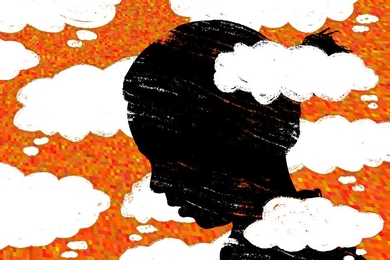
Researchers suggest autism stems from a reduced ability to make predictions, leading to anxiety.
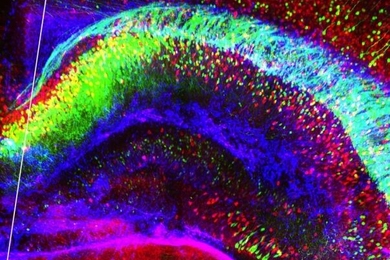
Researchers will advance our understanding of the human mind and discover new ways to treat, prevent, and cure neurological disorders.
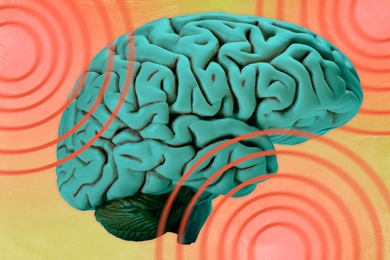
New scaling law helps estimate humans' risk of blast-induced traumatic brain injury.
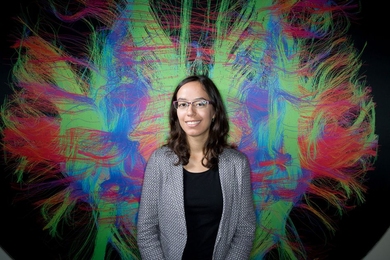
Sofia Essayan-Perez is inspired by those around her to teach in Nicaragua, conduct neuroscience research.
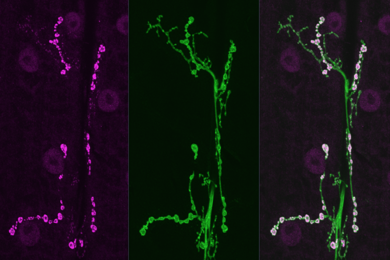
Patients with a rare neuromuscular disorder and those with nerve damage tied to autoimmune disorders may share the same faulty synapses.
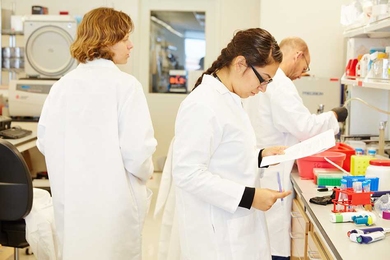
Transformative partnership with Ted Stanley will spur researchers to reveal biology of psychiatric disorders.
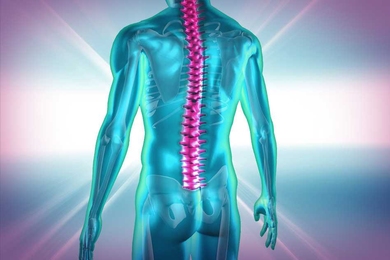
MIT neuroscientists inhibit muscle contractions by shining light on spinal cord neurons.
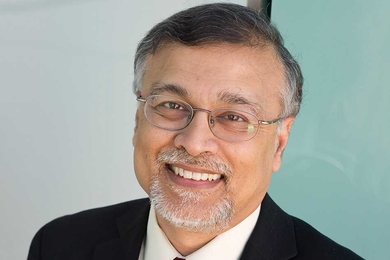
MIT neuroscientists report more detail on how the disease arises.
Model indicates that diverse research approaches to the disease would be a rewarding investment.
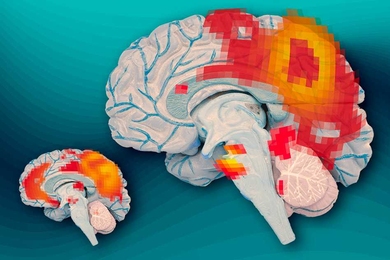
Brain scans differentiate adults who have recovered from childhood ADHD and those whose difficulties linger.