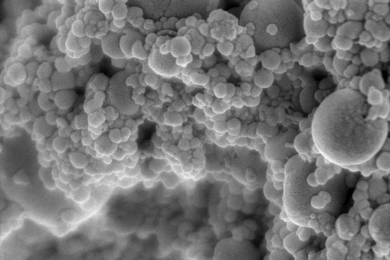
New coating for hip implants could prevent premature failure
Nanoscale films developed at MIT promote bone growth, creating a stronger seal between implants and patients’ own bone.
Nanoscale films developed at MIT promote bone growth, creating a stronger seal between implants and patients’ own bone.

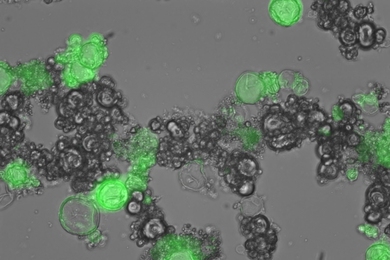
Tiny particles could manufacture cancer drugs at tumor sites.
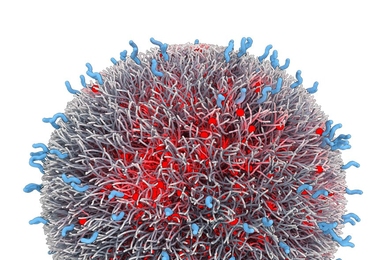
Tiny particles designed to home in on cancer cells achieve tumor shrinkage at lower doses than traditional chemotherapy.

10th anniversary of MIT Graduate Program in Science Writing celebrates past, looks to future.

The Environmentally Benign Manufacturing group studies the life cycle of new technologies.
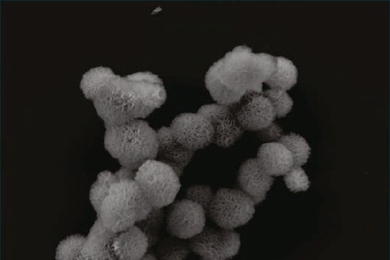
New RNA interference method holds promise for treating cancer, other diseases.
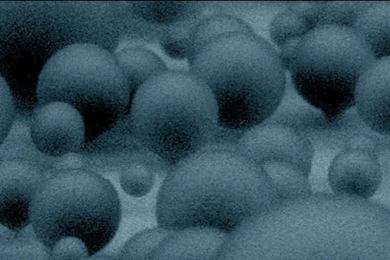
New nanopatterned surfaces could improve the efficiency of powerplants and desalination systems.

Technology developed at MIT can control the composition and structure of these tiny wires as they grow.

Richard Braatz applies math to design new materials and processes for drug manufacturing.
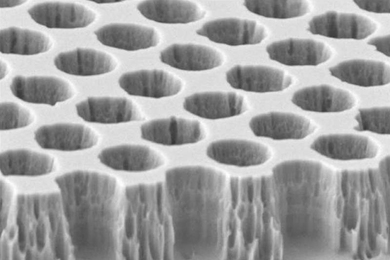
A new kind of high-temperature photonic crystal could someday power everything from smartphones to spacecraft.
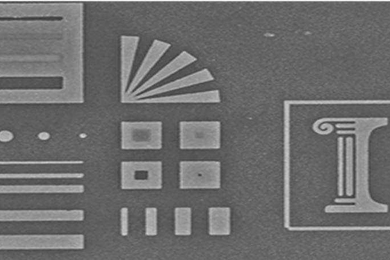

Multi-scale material may have applications in heat transfer, potentially helping powerplants be more efficient.
Finding could lead to new photodetectors or energy-harvesting devices.
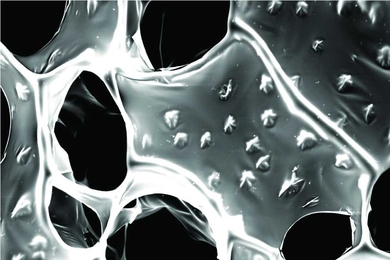
New cardiac patch uses gold nanowires to enhance electrical signaling between cells, a promising step toward better treatment for heart-attack patients.