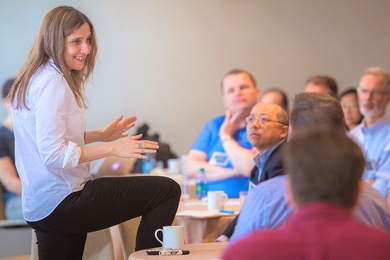
Applying machine learning to challenges in the pharmaceutical industry
MIT researchers and industry form new consortium to aid the drug discovery process.
MIT researchers and industry form new consortium to aid the drug discovery process.
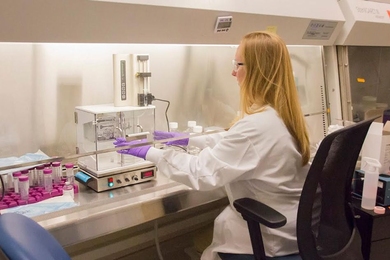
Startup develops implantable, encased cells that live in the body and secrete insulin and other therapeutics.
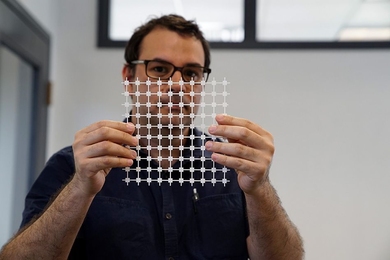
Modular blocks could enable labs around the world to cheaply and easily build their own diagnostics.
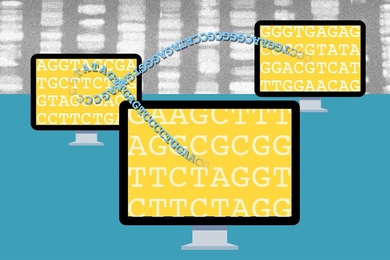
Cryptographic system could enable “crowdsourced” genomics, with volunteers contributing information to privacy-protected databases.
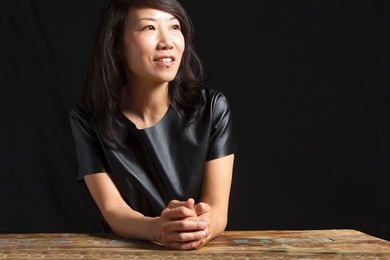
Bringing drug trials to the virtual realm, Belinda Tan ’96 has found a way to cut entire process in half.
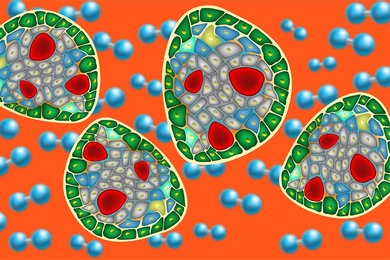
Device could help insulin-producing cells live longer after transplant and improve treatment of type 1 diabetes.
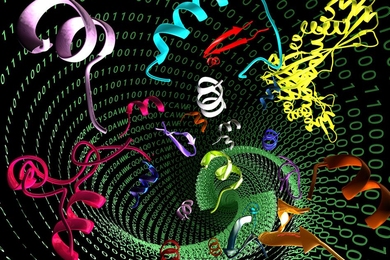
With aid of computer algorithm, researchers develop peptides more powerful than those found in nature.
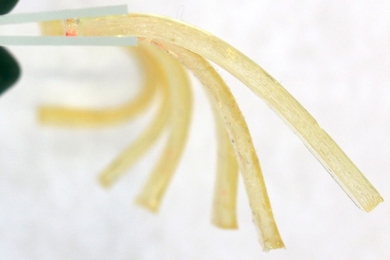
Using the stimulant as a catalyst, researchers create new gels for drug delivery.
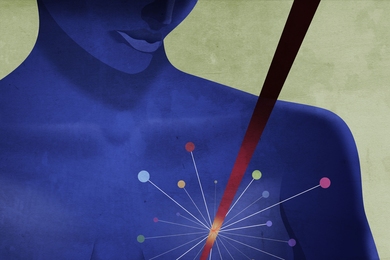
Mouse study links early metastasis to systemic inflammation caused by wound healing.
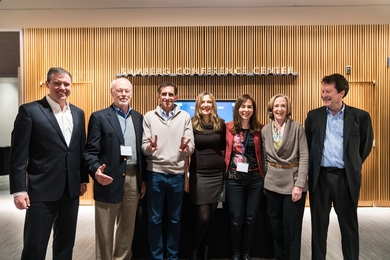
MIT hosts a summit on transformative artificial intelligence technologies in biomedical sciences and health care.
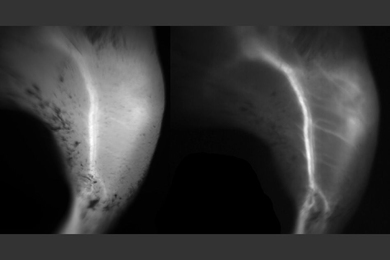
Technique could allow doctors and researchers to generate clearer images of blood vessels and other tissues.

Poor health is a less common cause of bankruptcy than commonly thought, but it brings other economic woes, study finds.
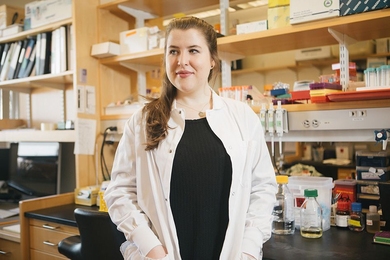
Senior Isabella Pecorari is building supportive communities at MIT and beyond.
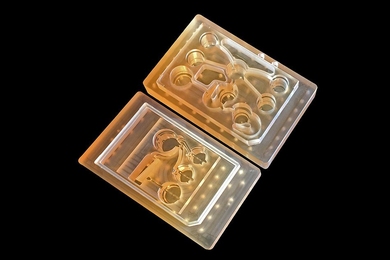
Human tissue samples linked by microfluidic channels replicate interactions of multiple organs.