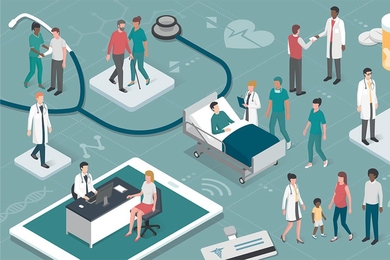
Contact lenses that deliver drugs directly to the eye win health care prize
Eight teams pitched novel inventions at MIT Sloan Healthcare Innovations Prize competition.
Eight teams pitched novel inventions at MIT Sloan Healthcare Innovations Prize competition.

MIT faculty and students bring their health care research, and enthusiasm, to alumni in California.
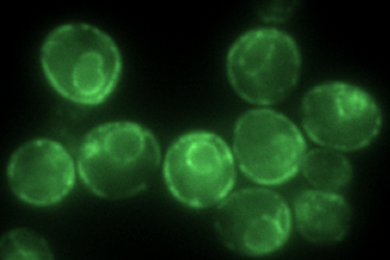
Whitehead Institute study in yeast illuminates the role of a molecular de-clogger in disease biology.
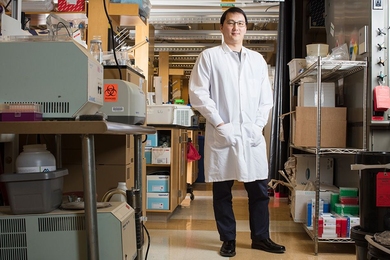
Synthetic biologist hopes to develop treatments for cancer and other diseases.
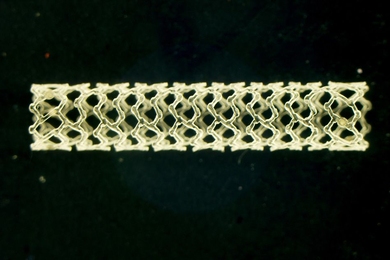
Microscopic flaws in material structure can lead to stent deformation after implantation.
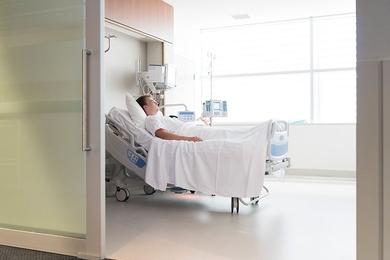
Serious medical problems reduce earnings, hurt employment, and increase debt.
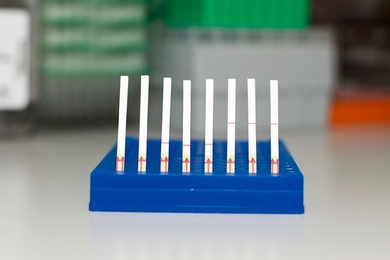
With SHERLOCK, a strip of paper can now indicate presence of pathogens, tumor DNA, or any genetic signature of interest.
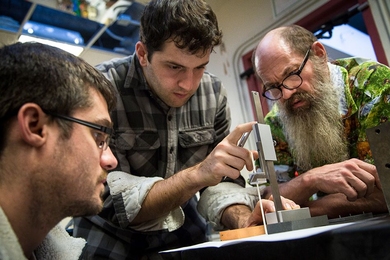
Class brings together MIT students and clinicians from local hospitals to design medical devices that address real-world health needs.
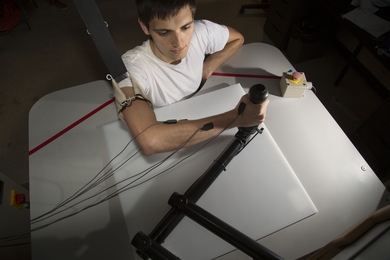
Mechanical engineering researchers are developing new and innovative ways to improve health care.
New cancer research initiative eyes individualized treatment for patients.

MIT senior Anjali Misra is drawn to health care problems that don’t have easy answers.

Replacing daily pills with a weekly regimen could help patients stick to their dosing schedule.
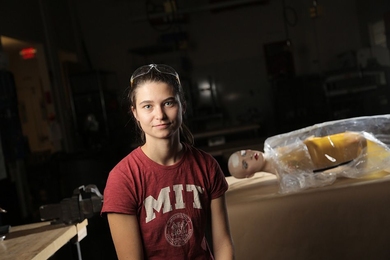
With a product called SurgiBox, grad student Sally Miller hopes to make safe, clean surgery possible anywhere.
Dennis Orgill SM ’80, PhD ’83 applies mechanical engineering principles to the operating room.

NEWDIGS Initiative at MIT leads multi-stakeholder collaboration to design and pilot a sustainable, patient-centered innovation ecosystem for a target disease.