
How privacy policies affect genetic testing
Study: State-level disclosure laws affect patients’ eagerness to have their DNA tested.
Study: State-level disclosure laws affect patients’ eagerness to have their DNA tested.

Collaboration with pharmaceutical giant will bring smart jet-injection device to market.

New strategy could enable existing drugs to kill bacteria that cause chronic infections.

MIT senior is headed to Ireland to pursue graduate studies in public health.

The Bridge Project collaboration accelerates new, highly original, and powerful approaches to defeating cancer.

Technique may predict which therapies a patient is most sensitive or resistant to.

Strain of intestinal bacteria can stop a high-salt diet from inducing inflammatory response linked to hypertension.

New delivery system developed by MIT team deletes disease-causing genes and reduces cholesterol.

MIT senior and aspiring physician aims to tell stories that humanize the patients behind medical statistics.

Industry leaders, patient advocates, and policymakers collaborate to make groundbreaking new therapies economically sustainable.
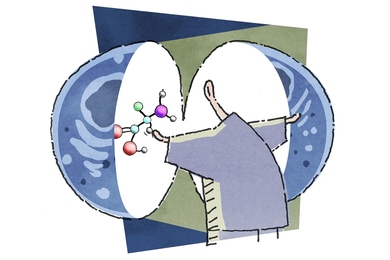
Researchers have identified a key nutrient sensor in the mTOR pathway that links nutrient availability to cell growth.

Improved methods validate the use of blood samples for studying patients’ cancer genomes.

This year’s clinic lived up to its reputation as one of the most efficient operations at MIT.

Studies by Richard Wurtman have led to development of nutrient mix shown to slow cognitive impairment in early stages of the disease.

Model developed at MIT’s Computer Science and Artificial Intelligence Laboratory could reduce false positives and unnecessary surgeries.