
Measuring cancer cell “fitness” reveals drug susceptibility
Together, cell growth rate and gene expression shed light on why some tumor cells survive treatment.
Together, cell growth rate and gene expression shed light on why some tumor cells survive treatment.
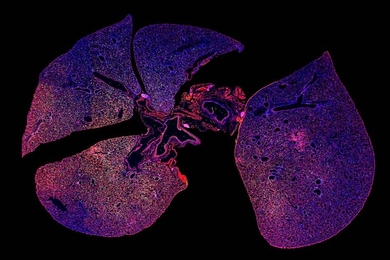
Results could also indicate whether antibiotics have successfully treated the infection.
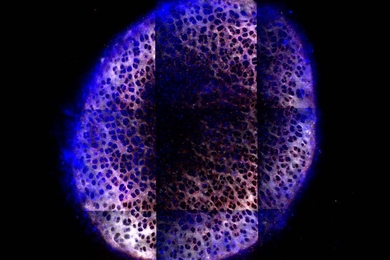
Injectable material made of nanoscale particles can deliver arthritis drugs throughout cartilage.

Startup SQZ Biotech aims to open a new path in immunotherapy with its cell-compressing technique.
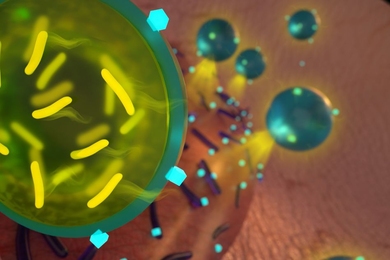
Delivered together, the two join forces to eradicate drug-resistant bacteria.

Four other MIT researchers to receive New Horizons Prizes in math and physics; two alumni win Breakthrough Prize in Fundamental Physics.
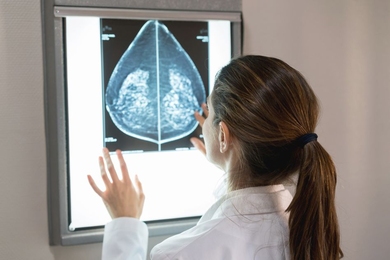
Deep-learning model has been used successfully on patients, may lead to more consistent screening procedures.
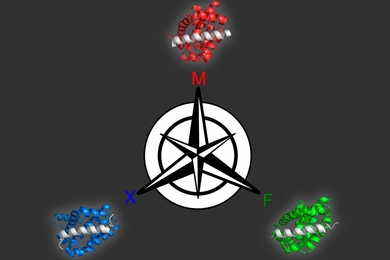
New approach generates a wider variety of protein sequences optimized to bind to drug targets.
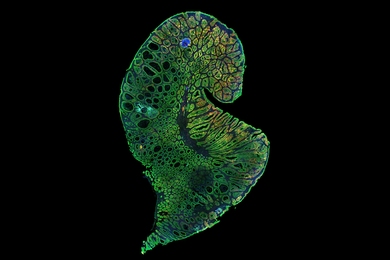
New MIT initiative delves into the biology of stem cells and cancer stem cells, seeks ways to identify, purify, and propagate them.
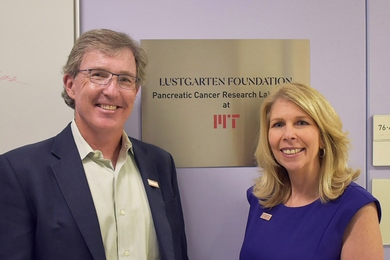
Lustgarten Foundation names MIT laboratory to improve understanding and treatment of a deadly disease
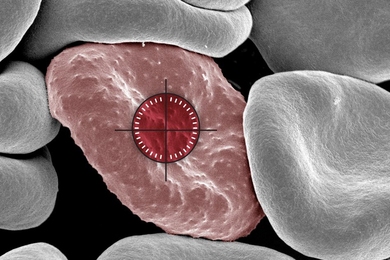
Natural killer cells’ failure to respond to infection may explain why the disease is more grave in some patients.
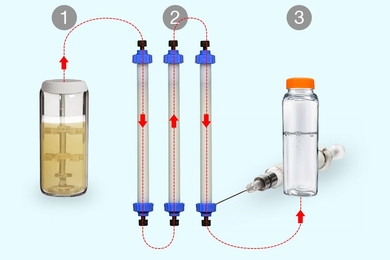
System can be rapidly reconfigured to produce a variety of protein drugs.

Three MIT postdocs earn competitive Howard Hughes Medical Institute fellowships that support diversity in the sciences.
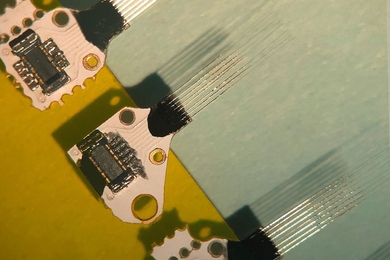
Tiny probes could be useful for monitoring patients with Parkinson’s and other diseases.
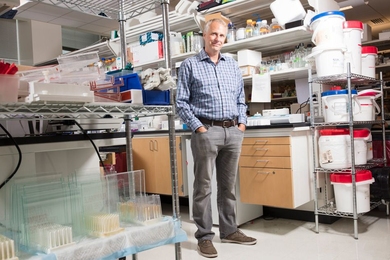
Matthew Vander Heiden seeks new cancer treatments that exploit tumor cells’ abnormal metabolism.