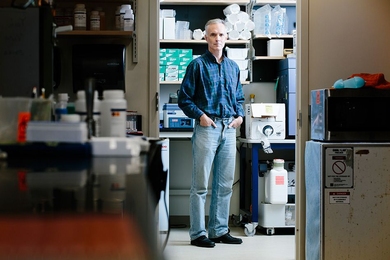
Reprogramming biology
Biological engineer James Collins designs genetic circuits with novel functions.
Download RSS feed: News Articles / In the Media / Audio
Biological engineer James Collins designs genetic circuits with novel functions.

Funding will support the development of novel technologies for better understanding of large-scale biological systems.

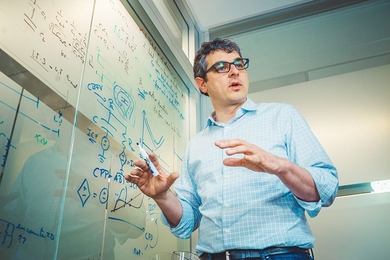
MIT researchers team up with Boston Medical Center and Philips to test a noninvasive way to measure intracranial pressure.

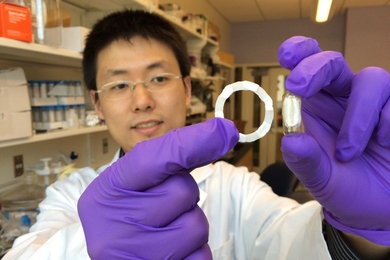
A pH-responsive polymer gel could create swallowable devices, including capsules for ultra-long drug delivery.

MIT researchers reveal brainwave changes in patients receiving nitrous oxide, or “laughing gas.”
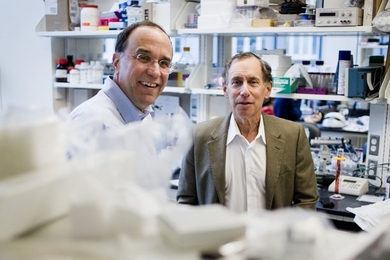
MIT spinout signs deal to commercialize microchips that release therapeutics inside the body.
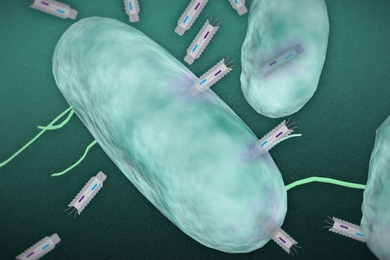
Engineered particles are capable of producing toxins that are deadly to targeted bacteria.

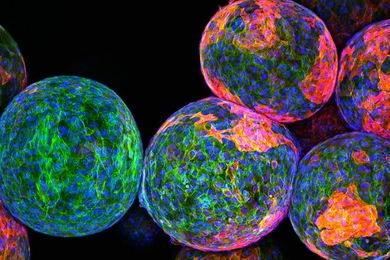
Optimal size and shape allow implantable devices to last longer in the body.
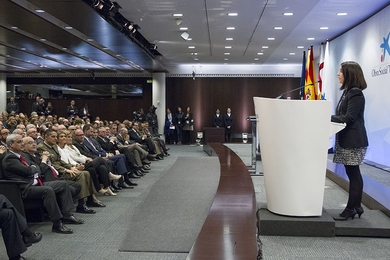
MIT-Spain co-director describes how a La Caixa Fellowship impacted her research at MIT and led to the creation of the MIT-Spain Program.

Bhatia is recognized for her work in tissue engineering, disease detection, and advocacy for women in STEM.
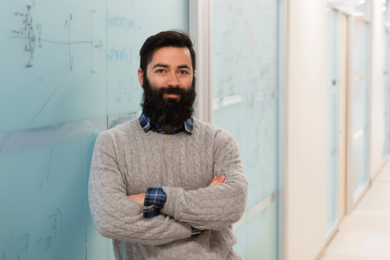
Award to Professor Alex Shalek will support new advances in nanotechnology and chemical biology.
Tiny particles embedded in gel can turn off drug-resistance genes, then release cancer drugs.