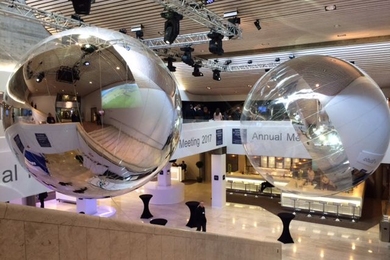
"Aerocene" soars at the 47th World Economic Forum
Climate-conscious sculptures influence world perspectives in Davos-Klosters, Switzerland.
Climate-conscious sculptures influence world perspectives in Davos-Klosters, Switzerland.
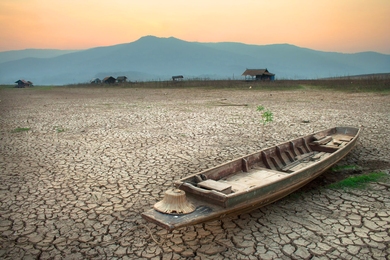
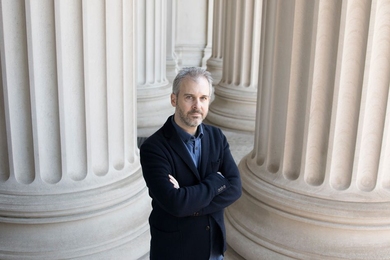
MIT professor of philosophy Kieran Setiya explores how individuals and societies can think about and act on climate change.
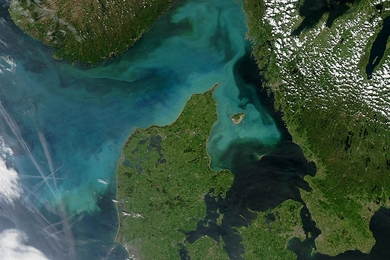
Marking 25 years of science and policy studies, the MIT Joint Program launches new website showcasing its expanded research portfolio.

Collaboration will explore ways of working with natural systems to address climate change.

Energy scenarios provide useful decision-support tools for policymakers and investors.

Researchers find no evidence of an overall reduction in the world’s consumption of materials.
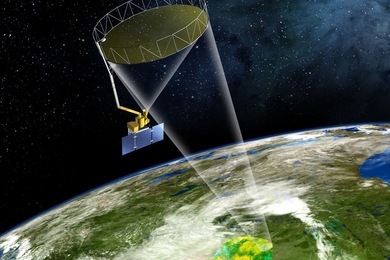
First year of data from SMAP satellite provides new insights for weather, agriculture, and climate.
Research shows how rebuilding Britain’s Houses of Parliament in the 1800s helped create clean-air laws.
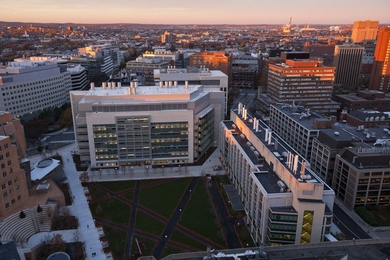
MIT releases results of its second campus-wide inventory.
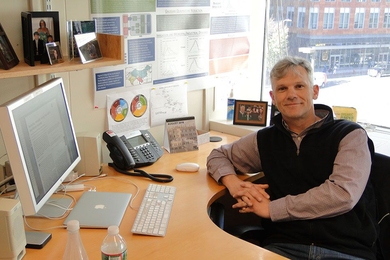
MIT research scientist C. Adam Schlosser assesses long-term risks to regional water and energy systems.
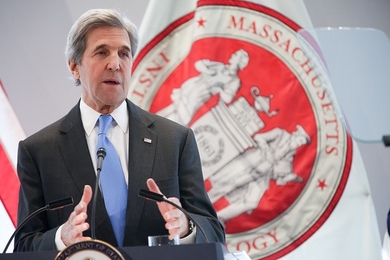
At MIT, U.S. Secretary of State highlights peril of climate change, economic promise of clean energy.

Through warming effects, methane and other gases impact rising seas long after leaving the atmosphere.
MIT alum’s website helps companies find, ship, and recycle water, reducing environmental impact.
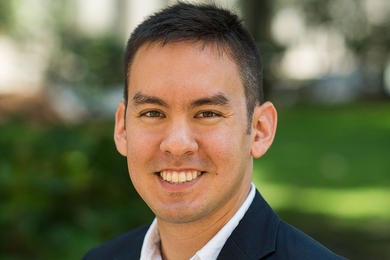
Paul Kishimoto, a PhD student in IDSS, probes the future of transportation in China.