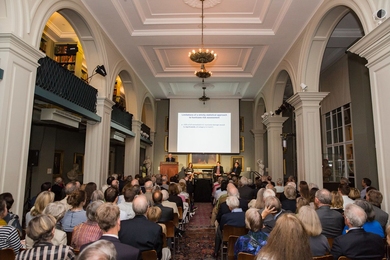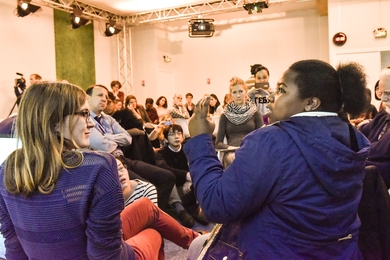
Climate negotiation role-play in Paris feels like the real thing
"World Climate" simulation, developed by MIT and Climate Interactive, challenges perceptions about climate negotiations and countries’ development needs.
"World Climate" simulation, developed by MIT and Climate Interactive, challenges perceptions about climate negotiations and countries’ development needs.

Faculty and students from the Program in Atmospheres, Oceans, and Climate visited our nation’s capital to build relationships with policymakers on both sides of the aisle.
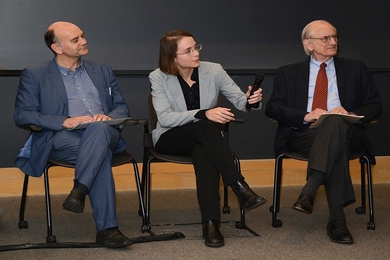
Leading climate economists discuss prospects for a global agreement.
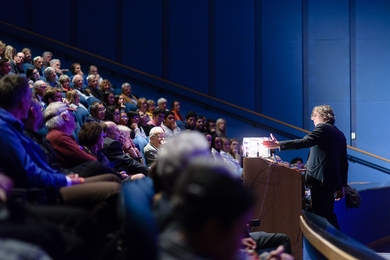
Director of the Max Planck Institute for Meteorology describes how atmospheric water contributes to climate change.

Detailed climate simulation shows a threshold of survivability could be crossed without mitigation measures.
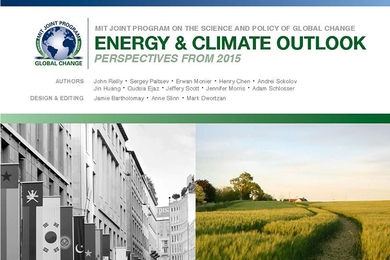
"2015 Energy and Climate Outlook" projects likely impacts of current policies and pledges on global climate, emissions, and energy mix.
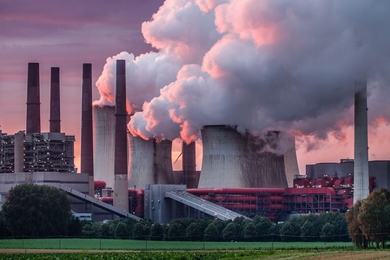
Study finds pledges by top greenhouse gas emitters leaves little room for others; urges greater R&D.
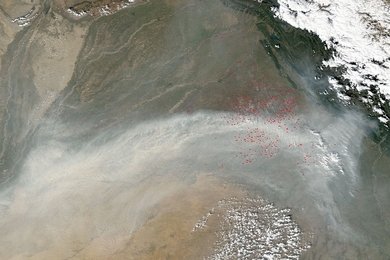
Study: Manmade aerosols can alter rainfall in the world’s most populous region.
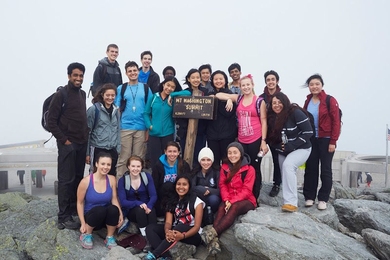
Freshmen discover the Department of Earth, Atmospheric and Planetary Sciences through weather and climate demonstrations and a trip to Mt. Washington.
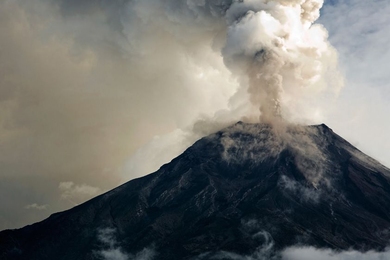
New study finds massive eruptions likely triggered mass extinction.
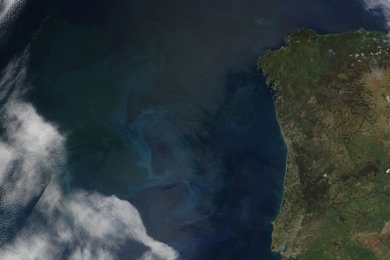
MIT researchers find unintended consequences of an idea to stimulate ocean phytoplankton growth in order to geoengineer a cooler atmosphere.
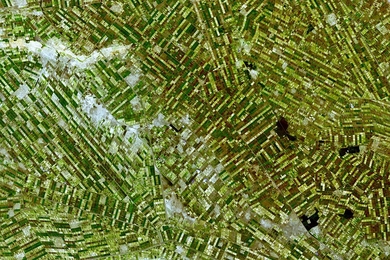
A new study describes how irrigation development modifies local and regional climate.
Environmental Protection Agency uses scenarios to evaluate gains for agriculture, health, and other global concerns.