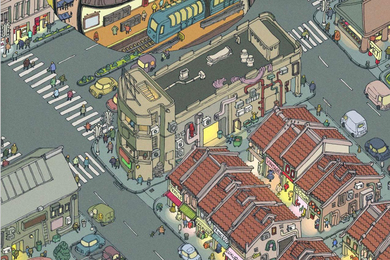
How to help urban street commerce thrive
Associate Professor Andres Sevtsuk’s new book, “Street Commerce,” delves into the science of stores, streets, and public space.
Associate Professor Andres Sevtsuk’s new book, “Street Commerce,” delves into the science of stores, streets, and public space.
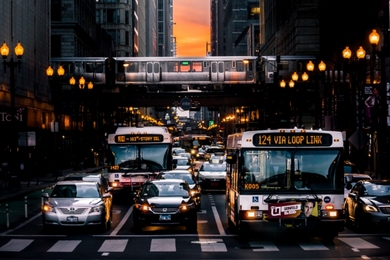
Topics include Covid-19 and urban mobility, strategies for electric vehicle charging networks, and infrastructure and economics for hydrogen-fueled transportation.
Community Innovators Lab will provide hands-on, field-based training to students seeking to address the underlying causes of urban crisis.
Known for embracing technical constraints in architectural design, Allen influenced students and professionals around the world.

In the Chinese city of Chengdu, one-third of ride-sharing might replace public transit trips.
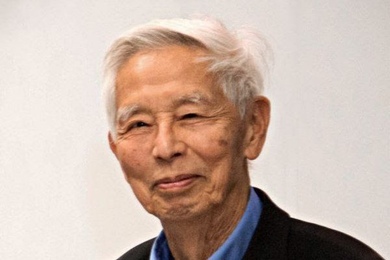
An architect and urban planner, Lee’s impact is evident throughout Boston and the city’s Chinatown, his childhood home.

Study shows cities have stopped providing middle-class work in recent decades — especially for Black and Latino workers.
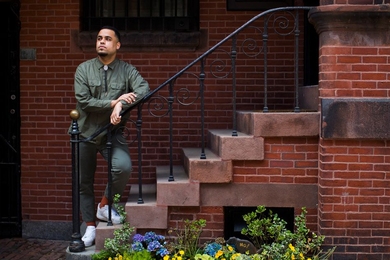
In researching disaster recovery and marginalized populations, the PhD student seeks out people with deep knowledge of their communities.
![“If in the 1980s you asked people what would the [mobility] system look like 20 years in the future, they would say it would probably be the same,” Associate Professor Jinhua Zhao says. “Now, really nobody knows what it will it look like.”](/sites/default/files/styles/term_page__news_article/public/images/202006/MIT-Zhao-Jinhua-01.jpg?itok=8rqvpHYw)
Associate Professor Jinhua Zhao, who will direct the new MIT Mobility Initiative, brings behavioral science to urban transportation.
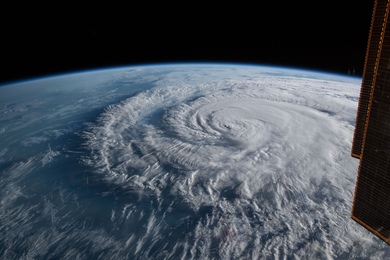
MIT Concrete Sustainability Hub researchers are investigating how the layouts, or textures, of cities influence extreme weather events.

A five-story mixed-use structure in Roxbury represents a new kind of net-zero-energy building, made from wood.
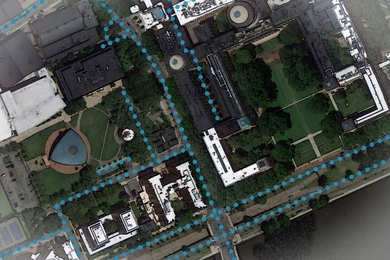
Model tags road features based on satellite images, to improve GPS navigation in places with limited map data.
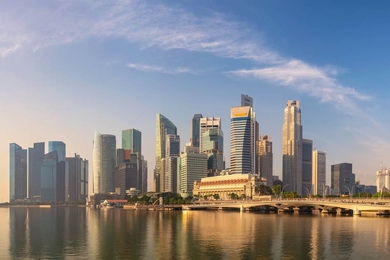
Study shows how commuting and other forms of everyday travel help spread mosquito-borne disease in urban settings.
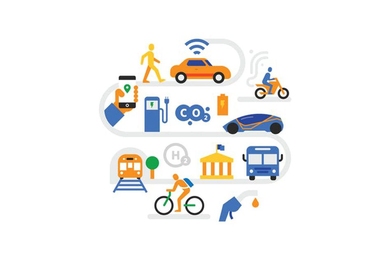
Technological innovations, policies, and behavioral changes will all be needed to reach Paris climate agreement targets.
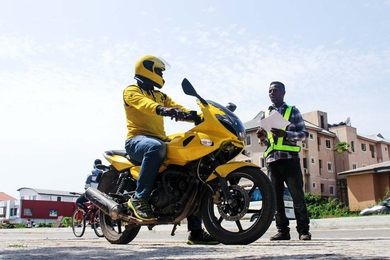
With a focus on driver and passenger safety, startup Max NG provides delivery and transportation services in West Africa.