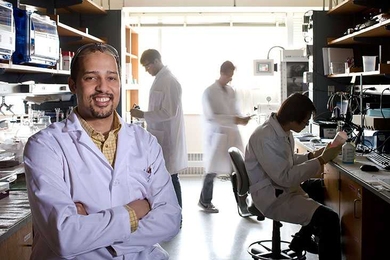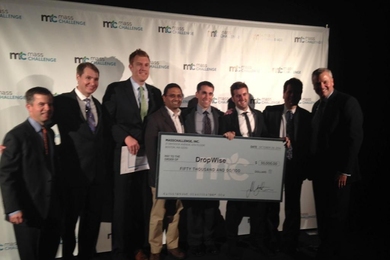
MechE-ChemE startup named Gold Winner at 2014 MassChallenge
DropWise manufactures hydrophobic coating for power plants that can significantly decrease CO2 emissions.
DropWise manufactures hydrophobic coating for power plants that can significantly decrease CO2 emissions.
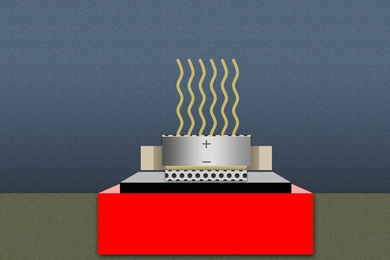
Coating prevents electrical current from damaging the digestive tract after battery ingestion.
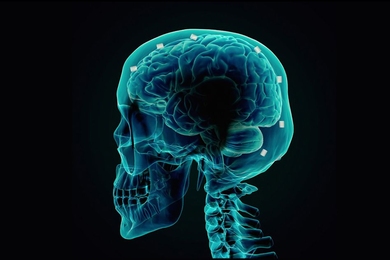
New approach could kill tumor cells in the brain more effectively and avoid side effects.
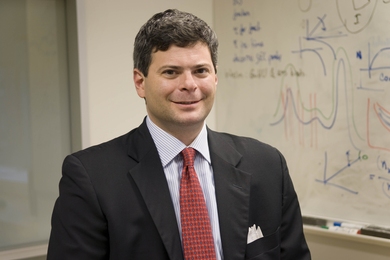
Bernhardt Trout becomes first Raymond F. Baddour (1949) Professor of Chemical Engineering.
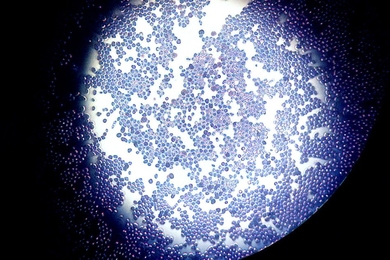
Different environment helps yeast tolerate high levels of ethanol, making them more productive.
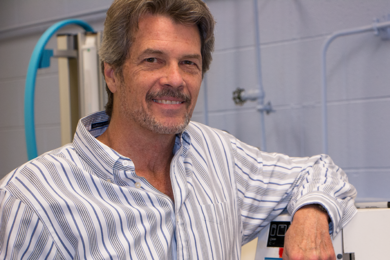
Materials scientist Mike Rubner’s collaboration with chemical engineer Robert Cohen yields anti-fog coatings, synthetic "backpacks" for living cells.
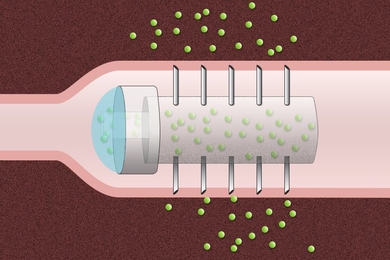
Pill coated with tiny needles can deliver drugs directly into the lining of the digestive tract.
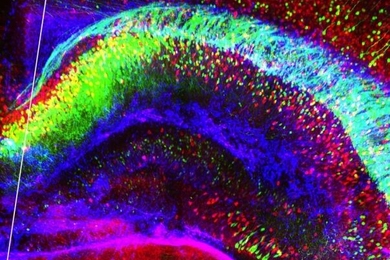
Researchers will advance our understanding of the human mind and discover new ways to treat, prevent, and cure neurological disorders.
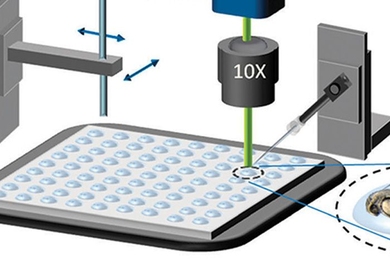
Engineers devise technology for rapidly testing drug-delivery vehicles in zebrafish.
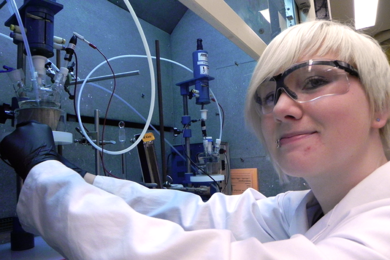
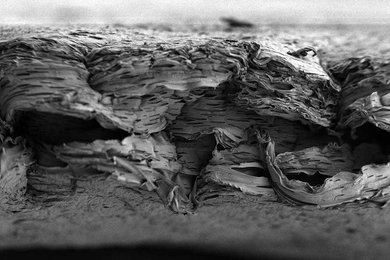
Coated tissue scaffolds help the body grow new bone to repair injuries or congenital defects.
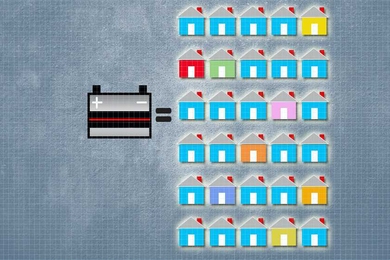
Proposal could divert a dangerous waste stream while producing low-cost photovoltaics.
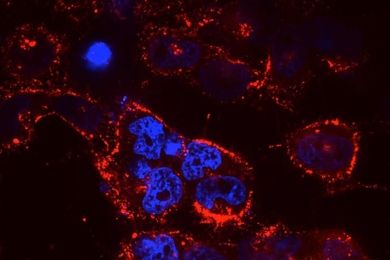
Researchers improve therapeutic response in clinically relevant model of lung-tumor growth.