Making computers explain themselves
New training technique would reveal the basis for machine-learning systems’ decisions.
Finding patterns in corrupted data
New model-fitting technique is efficient even for data sets with hundreds of variables.
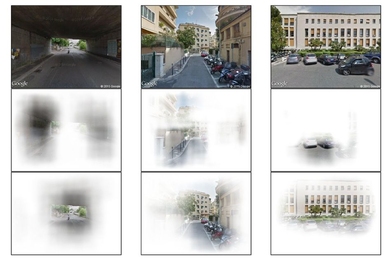
Quantifying urban revitalization
Combining cellphone data with perceptions of public spaces could help guide urban planning.
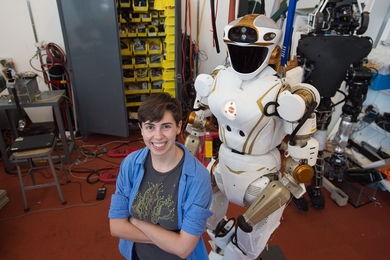
Prepping a robot for its journey to Mars
Senior Sarah Hensley aims to improve Earth's most advanced humanoid robot, in advance of its trip to the Red Planet.

Algorithm connects students to the most interesting person they’ve never met
Tuka Al-Hanai and Mohammad Ghassemi have connected over 500 MIT students for more than 1,000 lunch meetings.
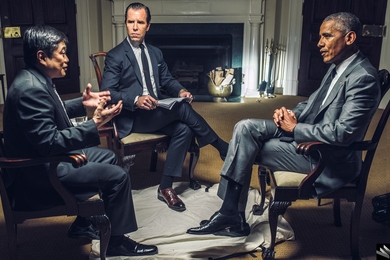
President Obama discusses artificial intelligence with Media Lab Director Joi Ito
One-on-one conversation in WIRED focuses on advancements in artificial intelligence and how society should respond to related concerns.
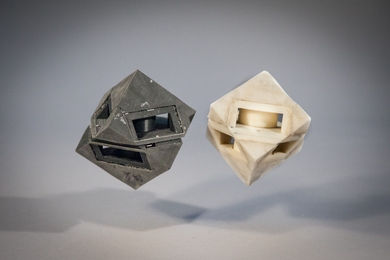
3-D-printed robots with shock-absorbing skins
By “programming” customized soft materials, CSAIL team can 3-D print safer, nimbler, more durable robots.

Automated screening for childhood communication disorders
Computer system could help identify subtle speech, language disorders in time for early intervention.
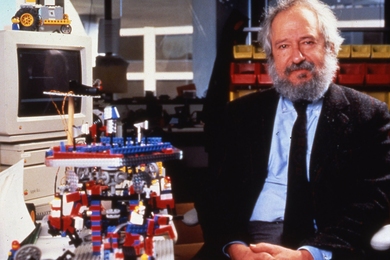
Professor Emeritus Seymour Papert, pioneer of constructionist learning, dies at 88
World-renowned mathematician, learning theorist, and educational-technology visionary was a founding faculty member of the MIT Media Lab.

First major database of non-native English
Resource could yield linguistic insights, practical applications for non-native English speakers.
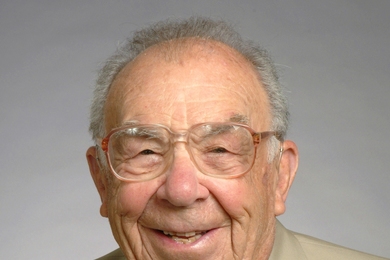
Robert Fano, computing pioneer and founder of CSAIL, dies at 98
Professor emeritus helped launch field of information theory and developed early time-sharing computers.
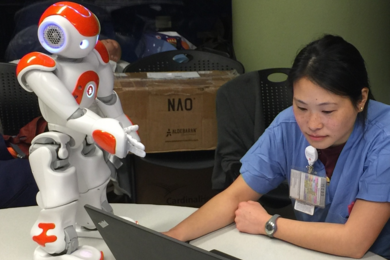
Robot helps nurses schedule tasks on labor floor
System from Computer Science and Artificial Intelligence Lab suggests where to move patients and who should do C-sections.
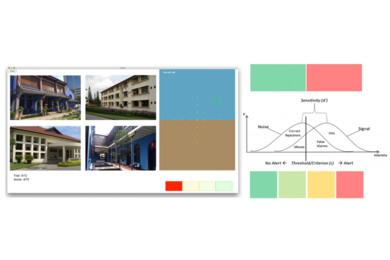
Building better trust between humans and machines
MIT-SUTD researchers are creating improved interfaces to help machines and humans work together to complete tasks.
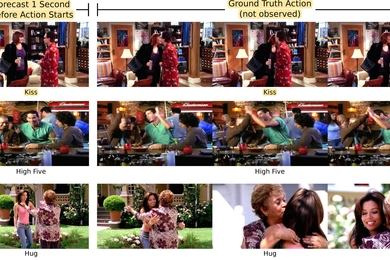
Teaching machines to predict the future
Deep-learning vision system from the Computer Science and Artificial Intelligence Lab anticipates human interactions using videos of TV shows.