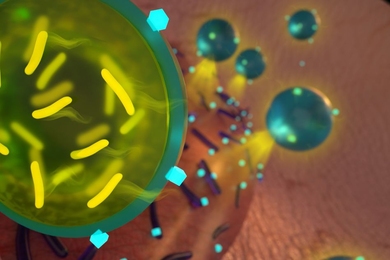
Probiotics and antibiotics create a killer combination
Delivered together, the two join forces to eradicate drug-resistant bacteria.
Delivered together, the two join forces to eradicate drug-resistant bacteria.
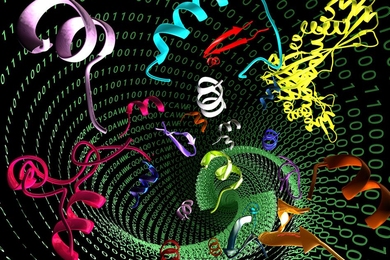
With aid of computer algorithm, researchers develop peptides more powerful than those found in nature.
Antimicrobial peptides can kill strains resistant to existing antibiotics.
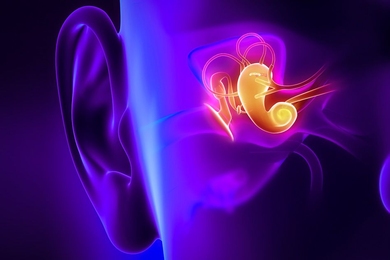
Shortwave infrared instrument from MIT could see deeper, help improve diagnosis of ear infections.
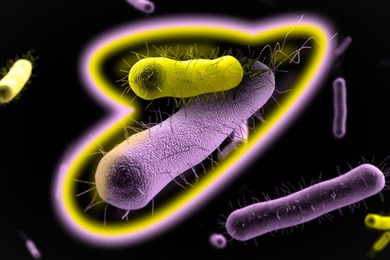
Strains of E. coli resistant to one antibiotic can protect other bacteria growing nearby.

Award will support the engineering of safe, frequently consumed bacteria to detect and kill dangerous bacteria such as those causing drug-resistant infections.
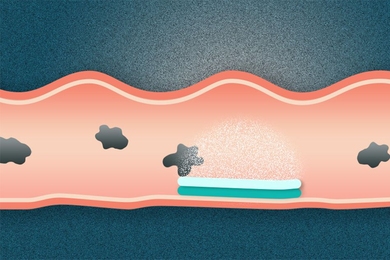
New tablet attaches to the lining of the GI tract, resists being pulled away.
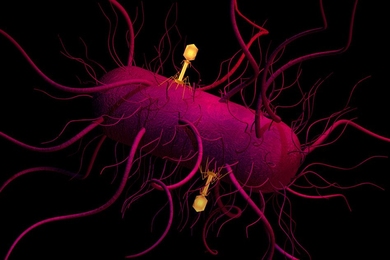
Engineered viruses could combat human disease and improve food safety.
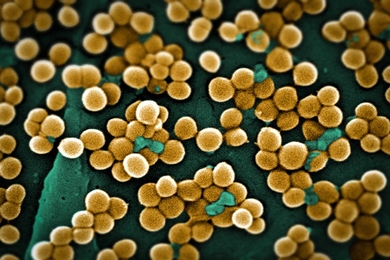
Two new technologies could enable novel strategies for combating drug-resistant bacteria.
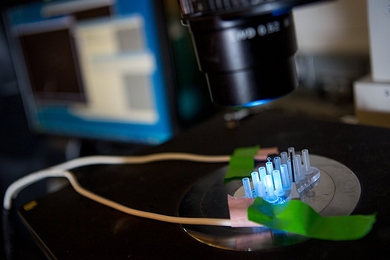
New microfluidic technique quickly distinguishes bacteria within the same strain; could improve monitoring of cystic fibrosis and other diseases.
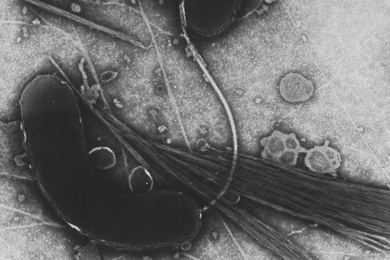
In some populations, natural antibiotics are produced by a few individuals whose closest relatives carry genes conferring resistance.
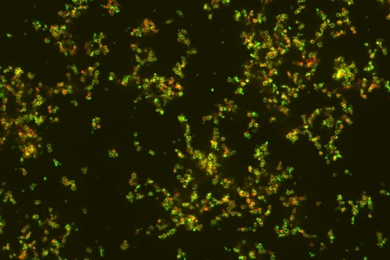
Engineers design nanoparticles that deliver high doses of antibiotics directly to bacteria.
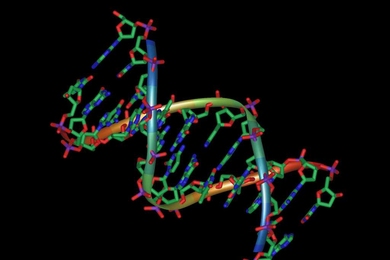
Team uncovers mechanism that produces fatal DNA damage in bacteria.