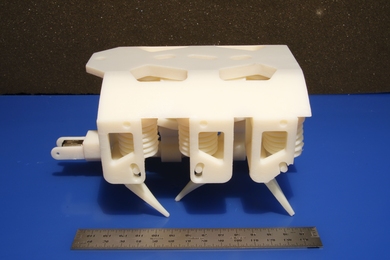
First-ever 3-D printed robots made of both solids and liquids
System from Computer Science and Artificial Intelligence Lab 3-D prints hydraulically-powered robot bodies, with no assembly required.
System from Computer Science and Artificial Intelligence Lab 3-D prints hydraulically-powered robot bodies, with no assembly required.
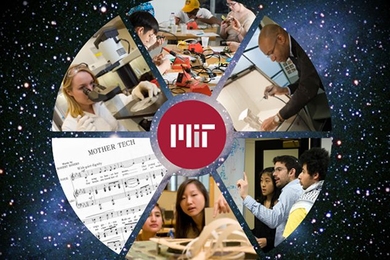
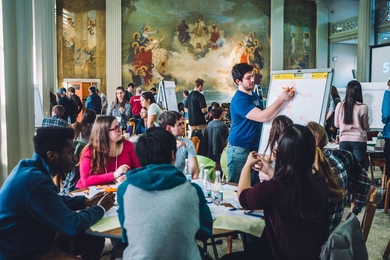
Beyond 2016: MIT’s Frontiers of the Future event offers a playful introduction to research at MIT.
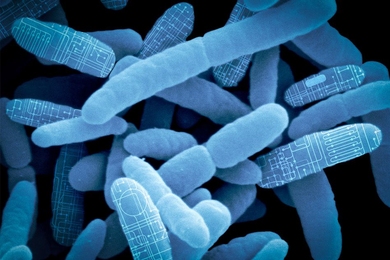
Daily doses of synthetic biotics developed by startup Synologic may sense, treat metabolic diseases.

New theory, inspired by chocolate coatings, predicts thickness of thin shells.
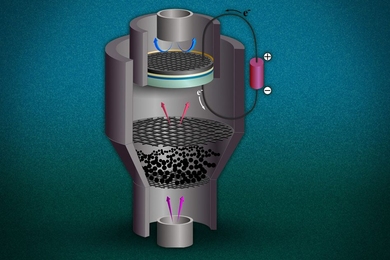
Combining gasification with fuel-cell technology could boost efficiency of coal-powered plants.
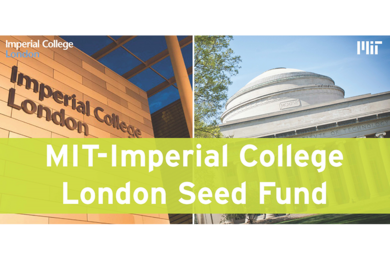
New seed fund encourages collaboration between faculty at MIT and Imperial College London.
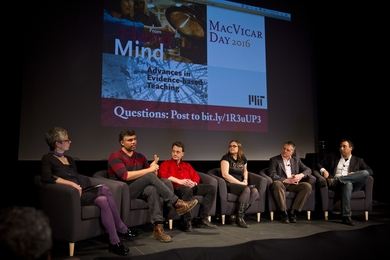
MacVicar Day symposium features a sampling of innovative pedagogical practices and lessons learned.
Global innovation accelerator seeks its next batch of technology-based entrepreneurs.
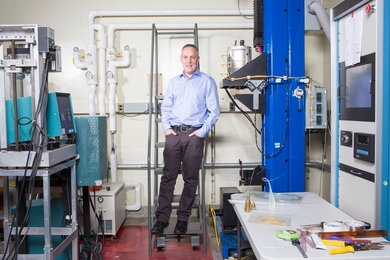
National public-private consortium led by MIT will involve manufacturers, universities, agencies, companies.
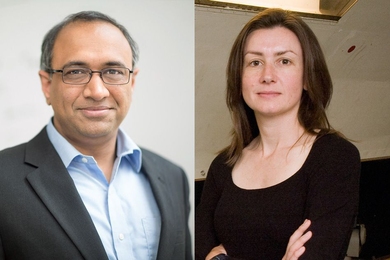
New report draws on diverse fields to reflect on digital learning.

Assistant Professor Thomas Heldt mines critical care data to support real-time clinical decision making and improve patient care.
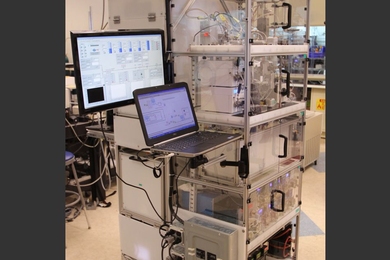
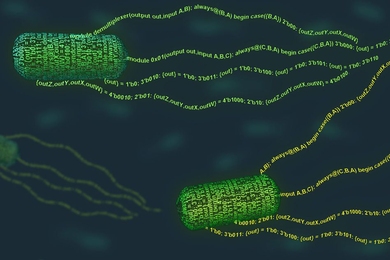
New language lets researchers design novel biological circuits.
System from MIT’s Computer Science and Artificial Intelligence Lab enables single WiFi access point that can locate users within tens of centimeters.
Undergraduate Practice Opportunities Program gives MIT students a chance to master non-technical skills.