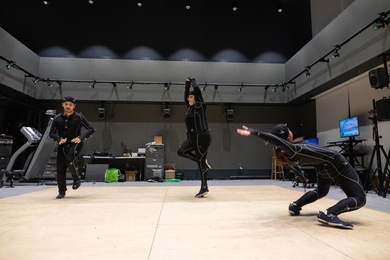
Bridging real human movement with digital technology
MIT.nano Immersion Lab collaborates with Emerson College students to advance the art of virtual production.
MIT.nano Immersion Lab collaborates with Emerson College students to advance the art of virtual production.

The initiative plans to engage industry leaders and MIT alumni with hubs in Tokyo, Dubai, and Hong Kong.
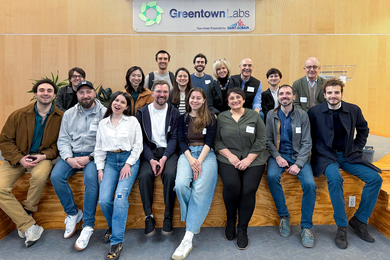
Students in a Department of Urban Studies and Planning course work with leaders from Vinnytsia, Ukraine, exploring innovation ecosystems, infrastructure, and workforce development amid constraints of war.
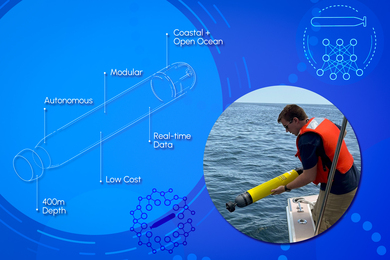
Founded by Ravi Pappu SM ’95, PhD ’01, Apeiron Labs is deploying low-cost ocean sensors to improve storm forecasts, detect endangered species, and more.
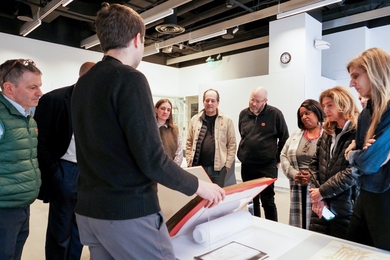
A day of conversations and archival access at the MIT Museum reflects an ongoing exchange rooted in the work and ideas of the Institute’s first Black graduate.
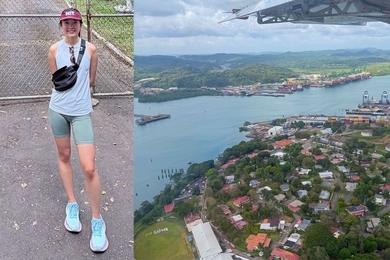
Center for Real Estate student Cherry Tang reflects on an internship in Panama, where building a financial model became a broader lesson in how development, community, and environment intersect in practice.
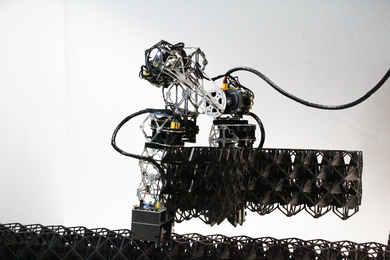
New research suggests constructing a simple building from interlocking subunits should be mechanically feasible and have a much smaller carbon footprint.
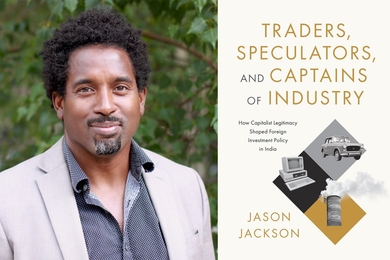
A book by Associate Professor Jason Jackson explores how policymakers moved past post-colonial India to support its own captains of industry.
In “Priority Technologies,” MIT faculty examine key areas of innovation that can drive American prosperity and security — now and in the decades ahead.
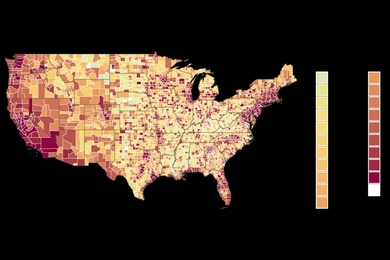
Findings suggest that at the county level, rise in prices is due, in part, to the fact that new neighbors have a positive impact on K-12 education.
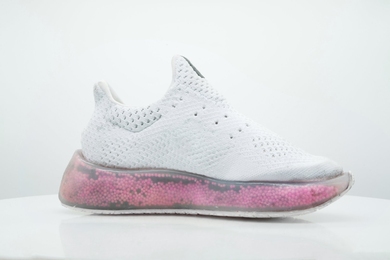
Associate Professor Skylar Tibbits discusses a new technology that uses granular convection to deliver individualized performance.
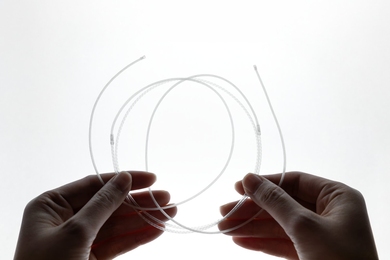
Electrofluidic fibers mimic how natural muscle fibers bundle, and could enable compact, silent robotic and prosthetic systems.
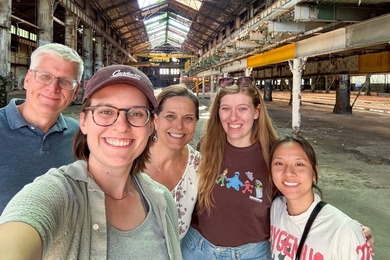
“You can’t teach planning today without grappling with how policy actually unfolds within communities,” says Professor Phillip Thompson.
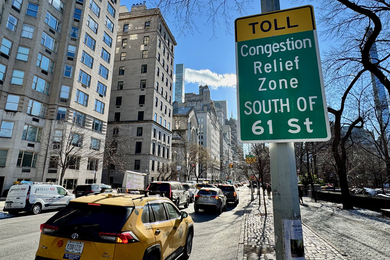
A new study pieces together existing data sources in order to develop a detailed, dynamic picture of auto emissions.
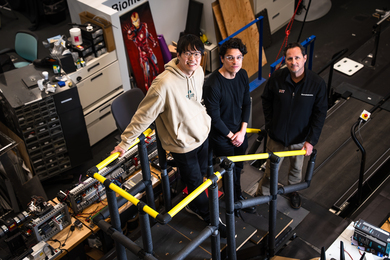
A new biohybrid system developed at MIT is the first living implant that uses rewired nerves to revive paralyzed organs.