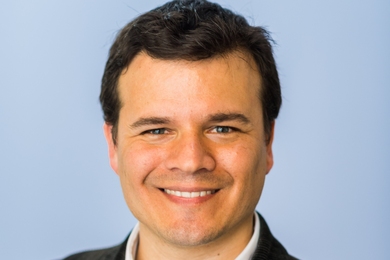
Pablo Jarillo-Herrero wins 2020 Spanish Royal Physics Society Medal
Physicist is honored with the RSEF’s highest scientific honor for his work on twistronics.
Physicist is honored with the RSEF’s highest scientific honor for his work on twistronics.
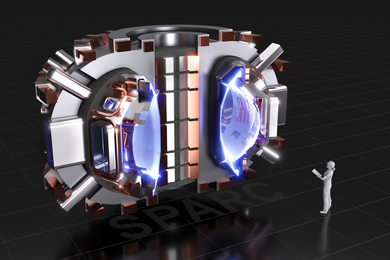
Seven studies describe progress thus far and challenges ahead for a revolutionary zero-emissions power source.
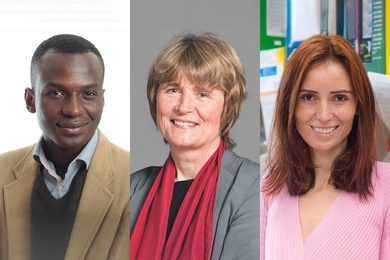
Prize recognizes contributions to biomedical research made by immigrant scientists.
MIT-led team uses AI and machine learning to explore fundamental forces.
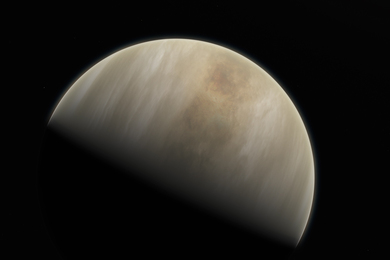
Evidence indicates phosphine, a gas associated with living organisms, is present in the habitable region of Venus’ atmosphere.
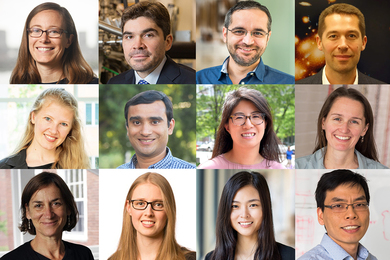
Those selected for these positions receive additional support to pursue their research and develop their careers.
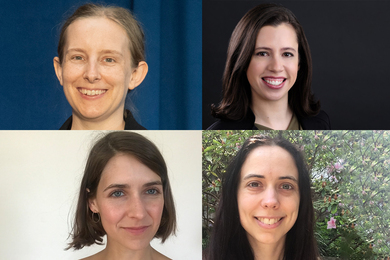
Physicists Tracy Slatyer and Netta Engelhardt and mathematicians Lisa Piccirillo and Nina Holden PhD ’18 are honored by the Breakthrough Prize Foundation.
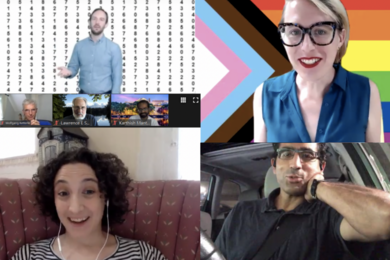
Thirty-one MIT instructors honored for digital teaching excellence in extraordinary circumstances.
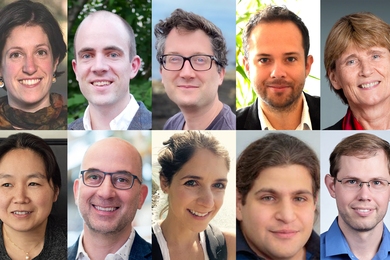
Joining the School of Science, 10 faculty members expand the departments of Biology; Chemistry; Earth, Atmospheric and Planetary Sciences; Mathematics; and Physics.
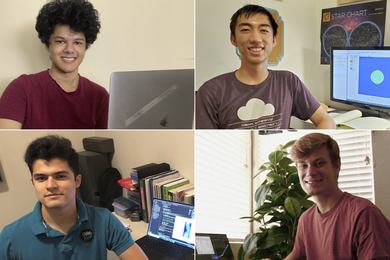
Undergraduate research opportunities in the Plasma Science and Fusion Center’s High-Energy-Density Physics division support multiple fusion collaborations.
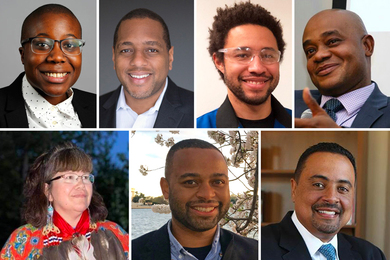
Honorees will engage in the life of the Institute through teaching, research, and other interactions with the MIT community.

Findings related to bacterial gene expression overturn fundamental assumptions about basic biological pathways.
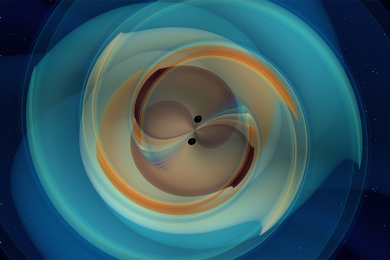
A binary black hole merger likely produced gravitational waves equal to the energy of eight suns.
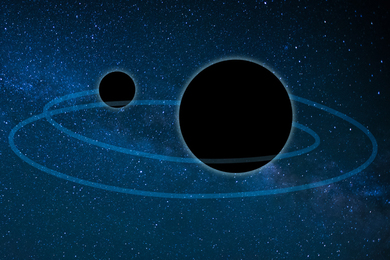
Researchers suggest a novel process to explain the collision of a large black hole and a much smaller one.
With creativity and hard work, the Institute is striving to provide the best possible experience for the Class of 2024.