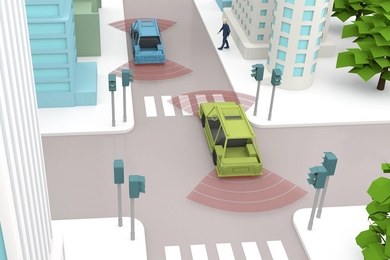
3 Questions: Iyad Rahwan on the “psychological roadblocks” facing self-driving cars
MIT Media Lab professor considers the trust gap between people and autonomous vehicles.
MIT Media Lab professor considers the trust gap between people and autonomous vehicles.
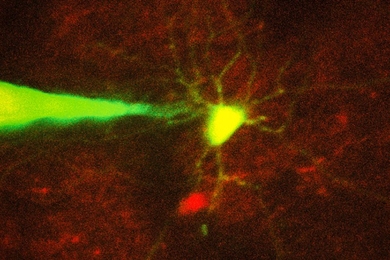
Success rate is comparable to that of highly trained scientists performing the process manually.
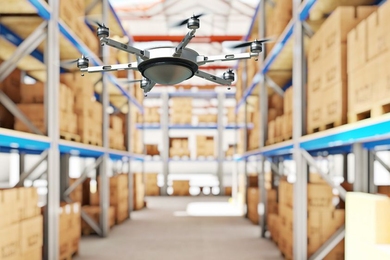
System could save retailers billions lost through faulty inventory records.
Smart, soil-free microgarden lets users optimize growing conditions while cutting water and resource use.
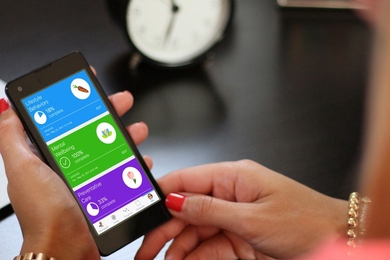
New app lets patients work alone or with others to prevent, monitor, and reverse chronic disease.
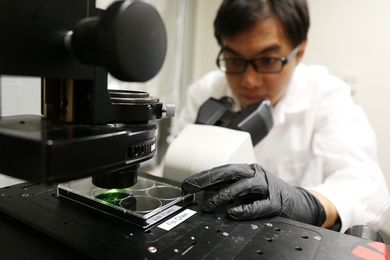
Expanding tissue samples before imaging offers detailed information about disease.

Technique could lead to cameras that can handle light of any intensity, audio that doesn’t skip or pop.
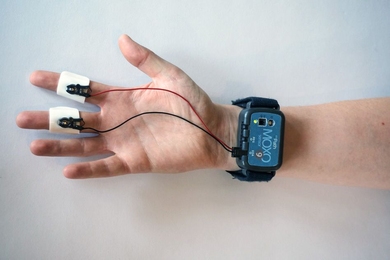
Startup’s stress sensor tracks users’ unconscious responses to products and experiences.

Density of highly educated residents, rather than income or housing costs, predicts revitalization.
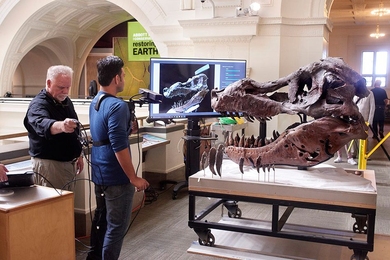
System with $150 worth of hardware offers alternative to 3-D scanners that cost 200 times as much.
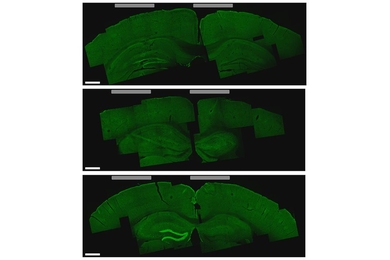
Electrodes placed on the scalp could help patients with brain diseases.
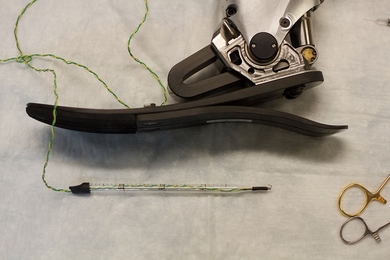
Muscle grafts could help amputees sense and control artificial limbs.
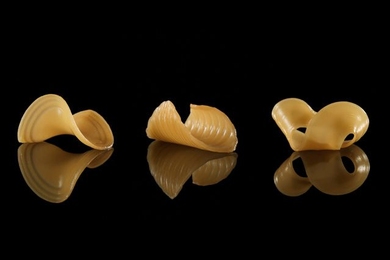
Sheets of gelatin transform into 3-D shapes when dunked in water; could save food shipping costs.
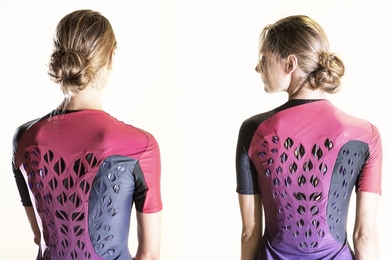
Ventilating flaps lined with live cells open and close in response to an athlete’s sweat.