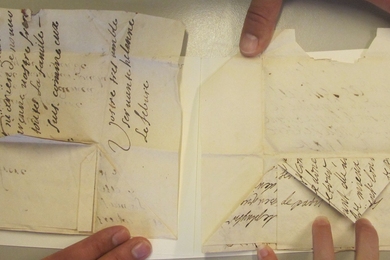
Unlocking the past with the future of imaging
New grants help MIT Libraries, DMSE, and CSAIL push the boundaries of examining artifacts.
New grants help MIT Libraries, DMSE, and CSAIL push the boundaries of examining artifacts.
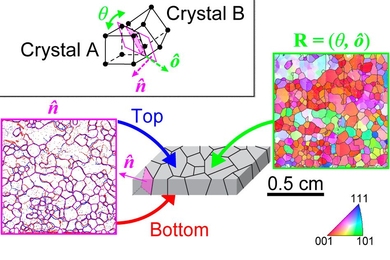
Method uses readily available tools to quickly determine materials’ properties.
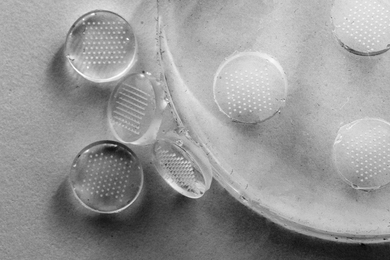
Workshop led by scientist and photographer Felice Frankel teaches researchers how to translate experiments into captivating images.
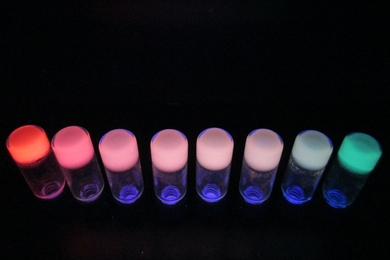
Color-changing materials could be used to detect structural failure in energy-related equipment.

Computer model finds slits in the spleen impose a “physical fitness test” on red blood cells.

Now open to the entire School of Engineering, SuperUROP is creating an interdisciplinary community of scholars.
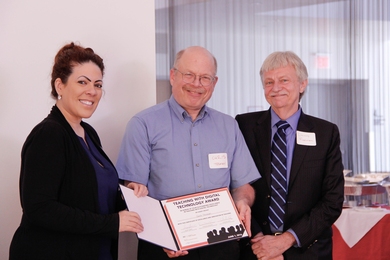
Awards honor faculty and instructors who have effectively leveraged digital technology to improve teaching and learning at MIT.

Surface treatment greatly reduces degradation of catalyst material.
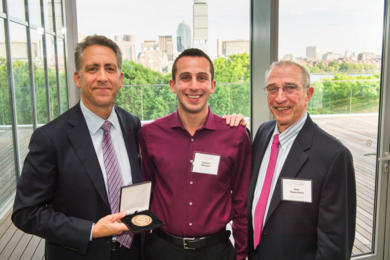
Awards were given to outstanding faculty, undergraduates, and graduate students.
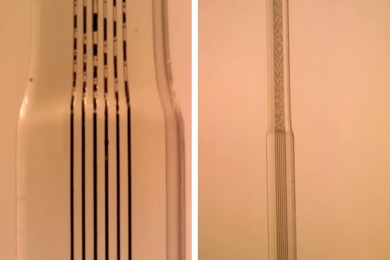
Stretching process can produce nanoscale rods or strips made of many material combinations.

Honor recognizes individuals who have demonstrated ability and special aptitude for advanced training in science and engineering.
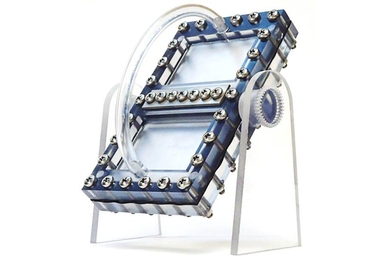
Pump-free design for flow battery could offer advantages in cost and simplicity.

Italian artist Lino Tagliapietra begins a new series of large-scale abstract glass vessels during a weeklong residency at the MIT Glass Lab.
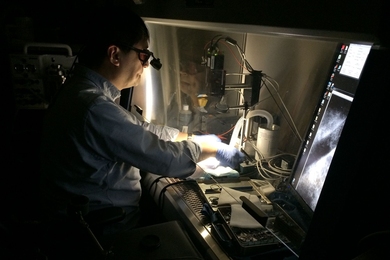
Mechanism developed at MIT and Massachusetts General Hospital shows promising results for improved ovarian cancer detection and removal.
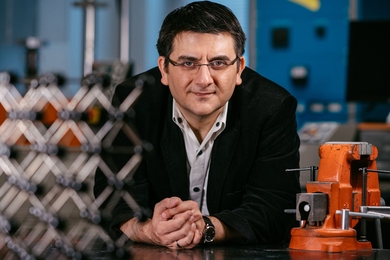
A new faculty member in materials science and engineering is creating healable metals.