Learning more about the brain
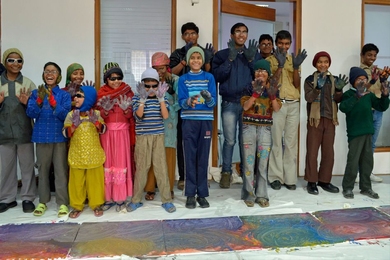
Pawan Sinha explores the cognitive dynamics behind our visual understanding of the world around us.
Pawan Sinha explores the cognitive dynamics behind our visual understanding of the world around us.
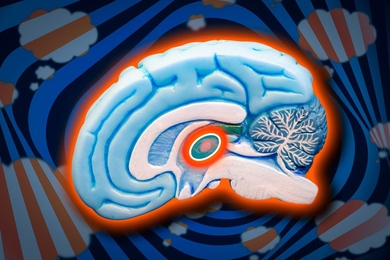
New findings could help scientists develop treatments for ADHD and other disorders.
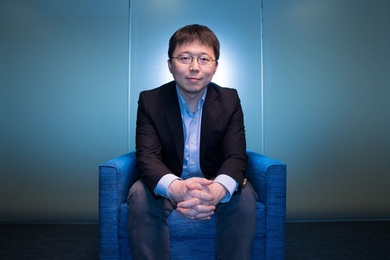
Broad/MIT scientist among five honored as pioneers of CRISPR-Cas9 system.
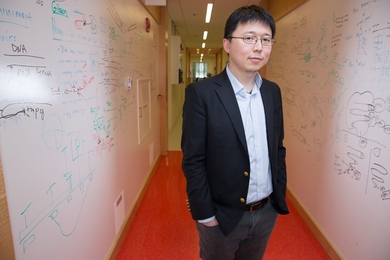
Genome-editing pioneer Feng Zhang hopes his work will shed light on neurological disorders.
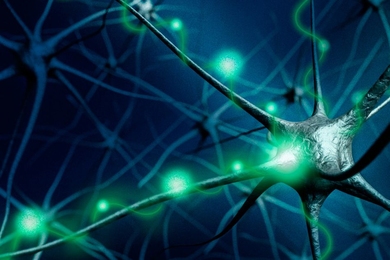
Study finds bursts of neural activity as the brain holds information in mind, overturns a long-held model.
Neuroscientists retrieve missing memories in mice with early Alzheimer’s symptoms.

Larger set of translations may shed light on an idiosyncratic Amazonian language.
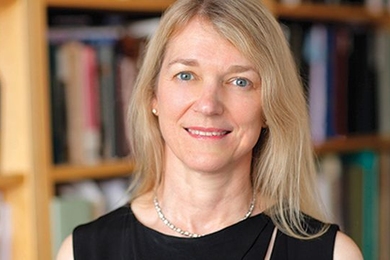
Bargmann honored for her work on the genetic and neural mechanisms that control behavior in the nematode C. elegans.
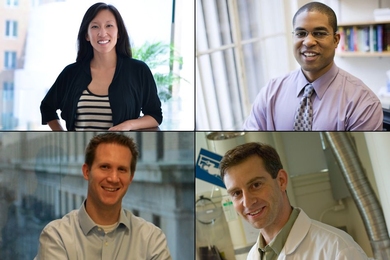
Buie, Buonassisi, Tisdale, and Tye honored with the U.S. government's highest award for young scientists and engineers.
Abra Shen pursues medicine and theater, and someday hopes to combine the two.
Turning on a gene later in life can restore typical behavior in mice.
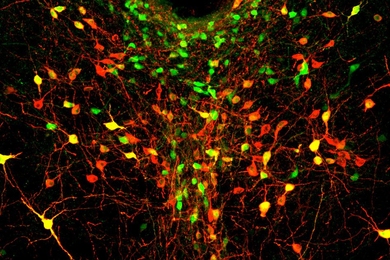
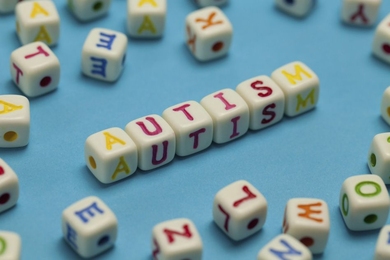
Immune molecules in infected mothers tied to brain and behavior abnormalities in offspring.
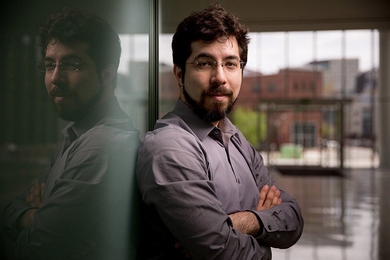
Three neuroscientists share biomedicine prize for development of optogenetics