
Department
Biology
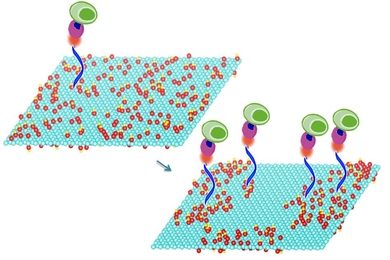
Graphene sheets capture cells efficiently
New method could enable pinpoint diagnostics on individual blood cells.

Printing data-driven wearables that mimic nature
MIT lecturer Jessica Rosenkrantz writes programs mimicking processes in nature to "grow" objects that can be digitally fabricated.
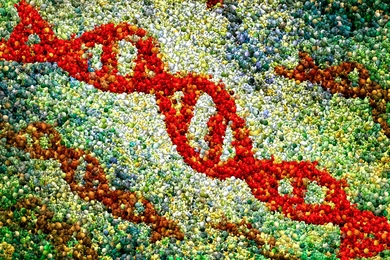
3Q: Behind the scenes of the National Academy of Sciences' report on human genome editing
MIT professor and NAS report committee co-chair Richard Hynes gives insight into the report’s recommendations.

Future physician-advocate
Senior Hermoon Worku is pursuing a career dedicated to surgery, advocacy, and teaching.
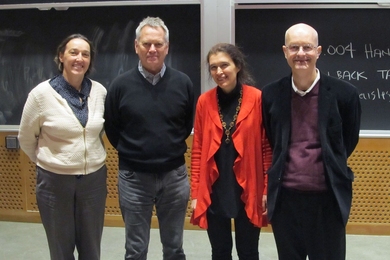
Vera Gorbunova delivers eighth Paul F. Glenn Lecture
Expert on long-lived rodents provides insights into research on longevity and cancer resistance.

Chronicling the rapid pace of genomics
Professor Eric Lander, pioneer of human genomics, delivers annual Killian Lecture.
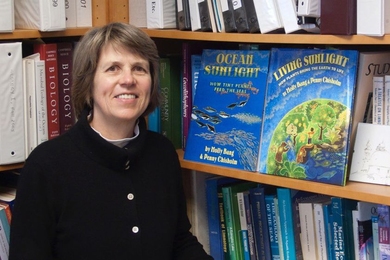
How the smallest, most abundant bacteria inspired a children's book series
Institute Professor Penny Chisholm teams up with author and illustrator Molly Bang to write environmental children’s book series.
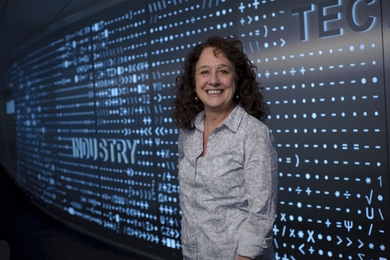
Probing the function of key proteins
Professor Barbara Imperiali creates better biochemical tools for basic biology and drug development.
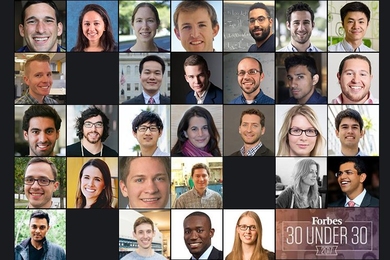
At least 30 from MIT named to 2017 Forbes 30 Under 30 lists
Students, faculty, staff, and alumni honored in "the most definitive gathering of today’s leading young change-makers and innovators."

Competency exam certificate now available for MITx Introduction to Biology course
New option for online learners tests subject mastery and provides meaningful certificates for one of the most popular MITx courses.

Biomarker could help guide cancer therapy, avoid drug resistance
Biologists link levels of Mena protein to breast cancer cells’ sensitivity to chemotherapy.

Four MIT faculty elected 2016 AAAS Fellows
Green, Ketterle, Nedivi, and Shrobe are among those recognized for their efforts toward advancing science.

A step toward biodegradable plastics
Chemists discover structure of bacterial enzyme that generates useful polymers.

Predicting cancer cells’ response to chemotherapy
Measuring DNA repair capability can reveal tumors’ sensitivity to drugs.