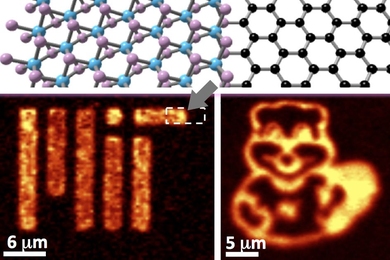
New chip fabrication approach
Depositing different materials within a single chip layer could lead to more efficient computers.
Depositing different materials within a single chip layer could lead to more efficient computers.
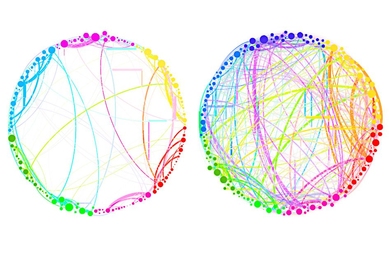
System for handling massive digital datasets could make impossibly complex problems solvable.
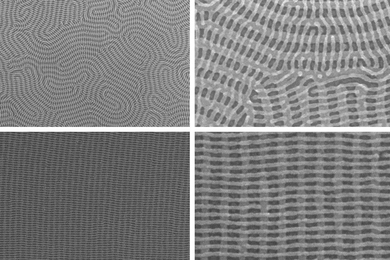
Polymer nanowires that assemble in perpendicular layers could offer route to tinier chip components.

Michael Watts took two decades to make the 20-mile trip from suburban Hingham to tenure at MIT.
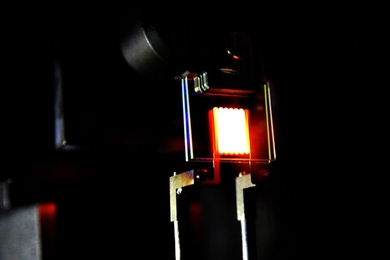
Researchers combine the warm look of traditional light bulbs with 21st-century energy efficiency.
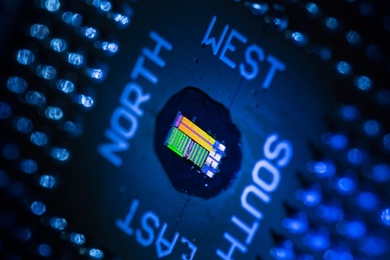
High-performance prototype means chipmakers could now start building optoelectronic chips.
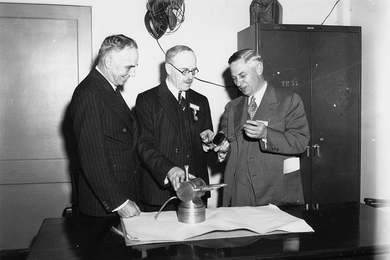
Seventy-five years ago, an international meeting of scientific minds changed forever how MIT and other research institutions develop new technologies.

MIT researchers have found a phenomenon that might lead to more compact, tunable X-ray devices made of graphene.

Berggren, Bertschinger, Fink, and Zue are among those recognized for efforts toward advancing science.
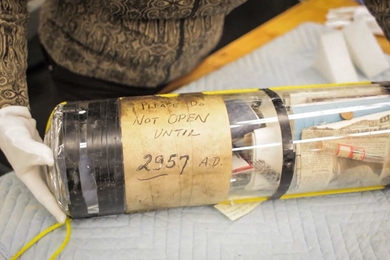

Siebert, an expert in long-range radar, helped shape EECS undergraduate curriculum.
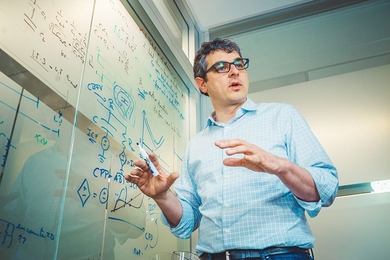
MIT researchers team up with Boston Medical Center and Philips to test a noninvasive way to measure intracranial pressure.

Engineered viruses could combat human disease and improve food safety.
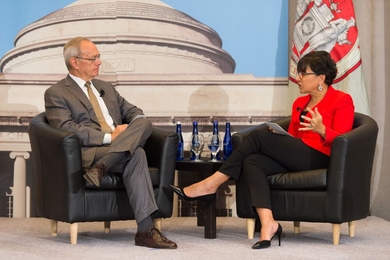
Discussion with President Reif during MIT visit focuses on policy support for new growth.

Researchers create exotic states that could lead to new kinds of sensors and optical devices.