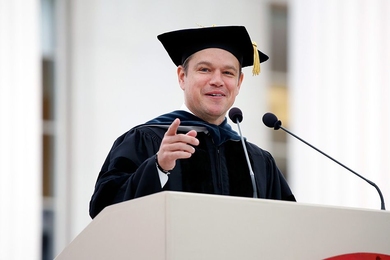
Matt Damon's Commencement address
Actor and filmmaker tells graduates: "There’s more at stake today than in any story ever told."
Actor and filmmaker tells graduates: "There’s more at stake today than in any story ever told."
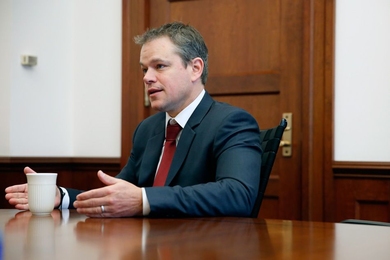
It’s no act: MIT 2016 Commencement speaker reflects on the “fun” of his activism and philanthropy.
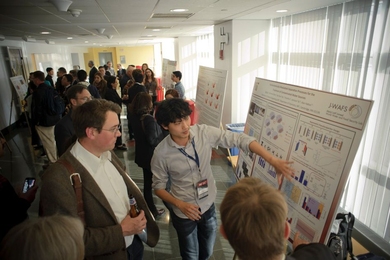
Principal investigators will receive grants of up to $100,000 per year for up to two years for innovative research on food and water challenges.
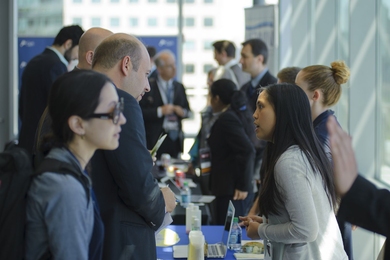
The MIT community turned out in force, along with attendees from the corporate, government, and nonprofit sectors.
Modular boxes that keep food shipments fresh win Rabobank-MIT Food and Agribusiness Innovation Prize.
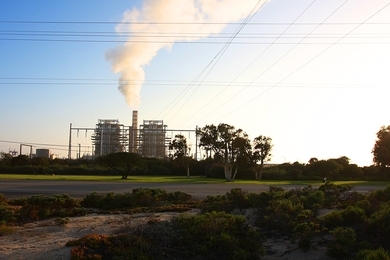
Aerosol emissions would slow warming but suppress rainfall.
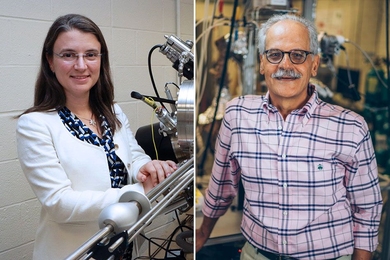
Winning teams will use grants to advance research in areas including fuel cells, solar-powered desalination, and impacts of electric vehicle charging on the power grid.
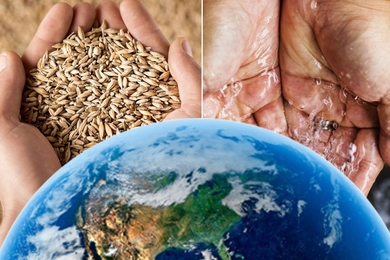
Program will feature advances in technologies at the nexus of food, water, and the environment.
![“For China, it looks like industrial growth [has the greatest impact on water shortages] as people get wealthier,” Charles Fant says. “In India, population growth has a huge effect. It varies by region.”](/sites/default/files/styles/term_page__news_article/public/images/201603/MIT-WaterChina.jpg?itok=gsXDDhia)
MIT Climate CoLab contest featured by the White House on United Nations World Water Day.

MIT student travels to São Paulo to assist non-profit in recognizing and organizing waste collectors.
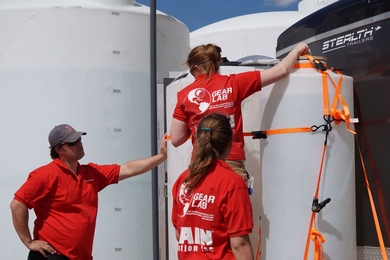
MIT researchers have developed a solar-powered desalination system that could significantly increase the groundwater available for drinking in Indian villages.
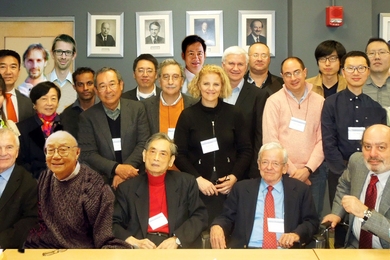
Former collaborators, students, and others gather to mark the achievements of nuclear science and engineering Professor Emeritus Sow-Hsin Chen for his 80th birthday.
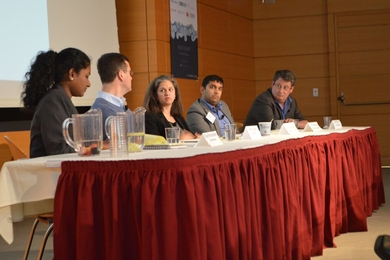
MIT Water Summit presents insights, innovations, and solutions to protect our world’s most abundant natural resource.