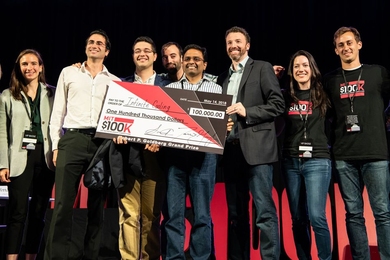
Device that recycles vaporized water from power plants wins MIT $100K
Eight teams pitched business ideas, and three took home cash prizes, at the annual entrepreneurship competition.
Eight teams pitched business ideas, and three took home cash prizes, at the annual entrepreneurship competition.

Choices by consumers and farmers can help limit global warming, but climate change may also curtail those choices in the future.
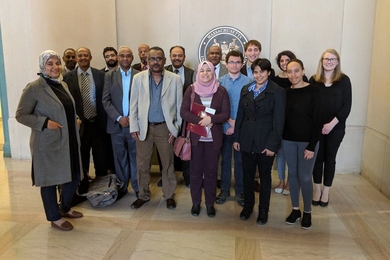
International workshop proposes future directions for long-standing conflict.
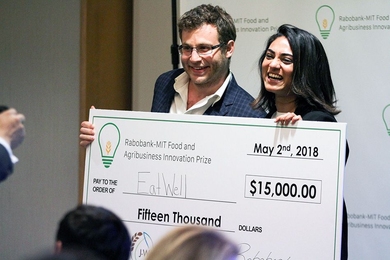
Meal kits for “food deserts” and crowdsourced crop-pricing platform win Rabobank-MIT Food and Agribusiness Innovation Prize.
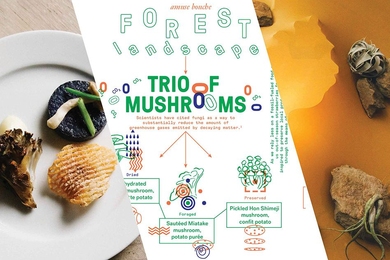
Climate Changed Symposium combines art and science to envision the global food system under climate change.
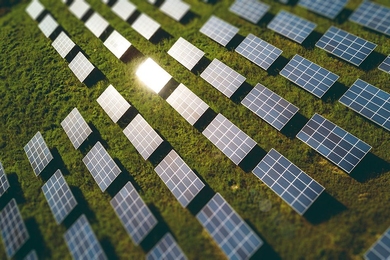
MIT analysis shows when and where advanced photovoltaics would be economic to install.
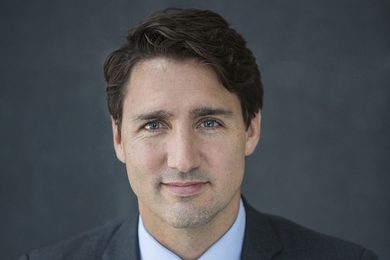
May 16-18 event, hosted by MIT Solve, will include remarks from Eric Schmidt, Ursula Burns, Yo-Yo Ma, and Luis Alberto Moreno, among other luminaries.
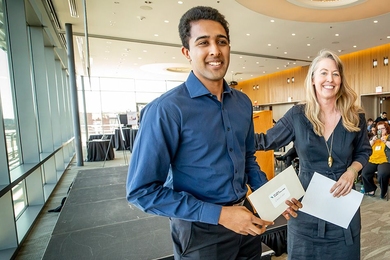
At annual event, 10 teams split $92,500 in prize money for designing innovations that improve lives worldwide.

A 4 percent reduction per year in carbon dioxide emissions should net $339 billion in health savings in 2030, researchers estimate.
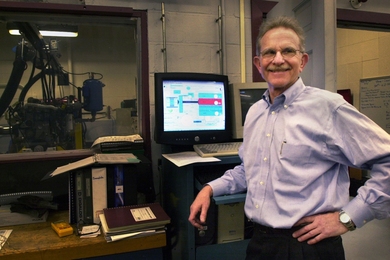
Professor of mechanical engineering explains the importance of advancing internal combustion engines and offers his take on recent EPA rollbacks.

Sam McElhinney MBA '17 found a way to help New England small farms, family estates, and orchards by creating a system that enables them to host events easily.
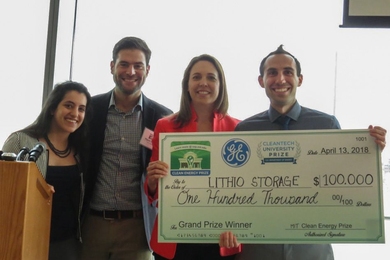
Robust batteries, solar refrigeration, UV membrane cleaner, and smart factory technologies take home $140,000 in prize money.
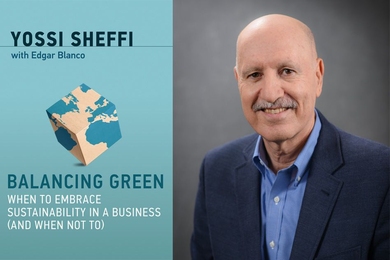
In a new book, MIT professor Yossi Sheffi examines the trade-offs companies face when grappling with sustainability issues.
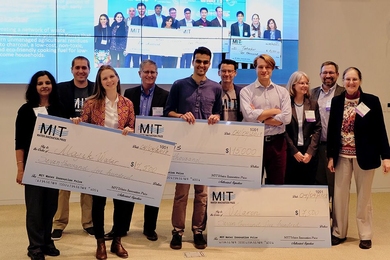
Nine student teams pitched solutions to global water issues at annual event.