MIT in the media: 2025 in review
MIT community members made headlines with key research advances and their efforts to tackle pressing challenges.
MIT community members made headlines with key research advances and their efforts to tackle pressing challenges.
Top stories highlighted the Institute’s leading positions in world and national rankings; new collaboratives tackling manufacturing, generative AI, and quantum; how one professor influenced hundreds of thousands of students around the world; and more.

From robotics to apps like “NerdXing,” senior Julianna Schneider is building technologies to solve problems in her community.
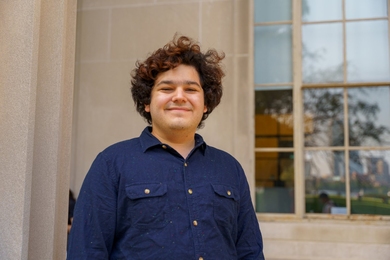
The senior, who is involved in Dormitory Council, Hydrant, the Student Information Processing Board, and SuperUROP, is double majoring in computer science and engineering and in urban planning.

Nineteen-year-old Freesia Gaul built a VR prototype thanks to MIT OpenCourseWare classes that provided “a solid foundation of knowledge and problem-solving abilities.”
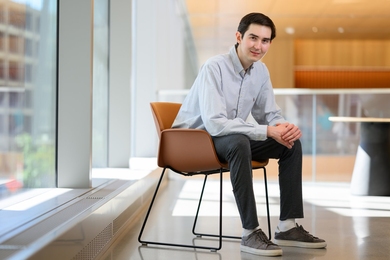
Nuclear waste continues to be a bottleneck in the widespread use of nuclear energy, so doctoral student Dauren Sarsenbayev is developing models to address the problem.

“Our students’ ... dedication reflects not only their generosity, but also the spirit of engaging the MIT community in giving back through philanthropy.”
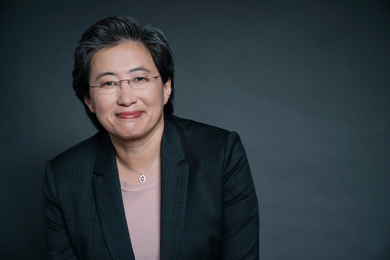
An electrical engineer by training, Su is the chair and CEO of the semiconductor company AMD.
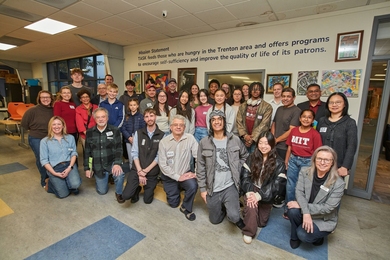
The PKG Center is commemorating 25 years of the IDEAS Social Innovation Challenge with regional student-alumni hackathons for social impact.

With an interest in trade unions and employer associations shaping the labor market, Busch is exploring how employee voices and economic democracy affect the future of work.
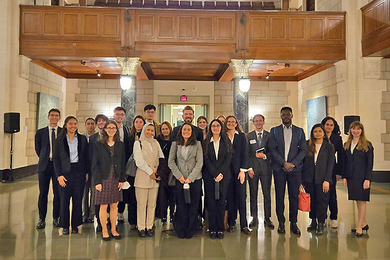
Students and postdocs traveled to Washington to learn about federal science and technology policymaking.
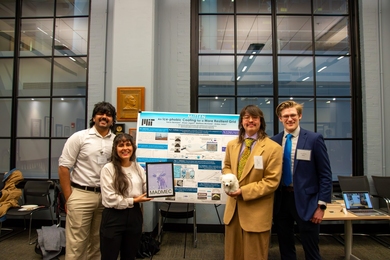
Placing first in the MADMEC innovation contest, the MITten team aims to curb costly power outages during winter storms.
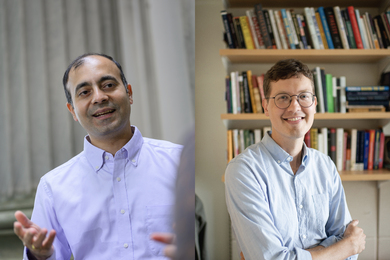
Professors Rohit Karnik and Nathan Wilmers are honored as “Committed to Caring.”
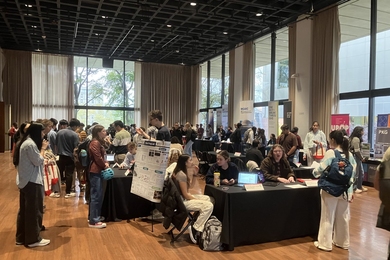
The Institute will commit up to $1 million in new funding to increase supply of UROPs.
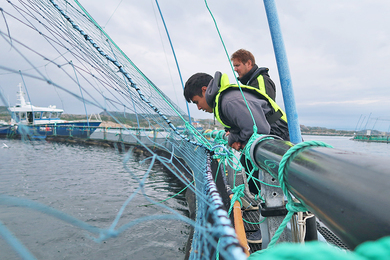
AquaCulture Shock program, in collaboration with MIT-Scandinavia MISTI, offers international internships for AI and autonomy in aquaculture