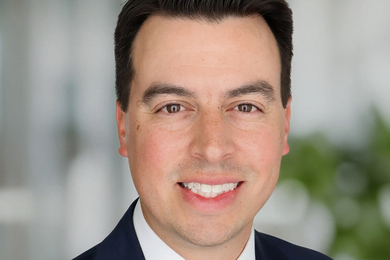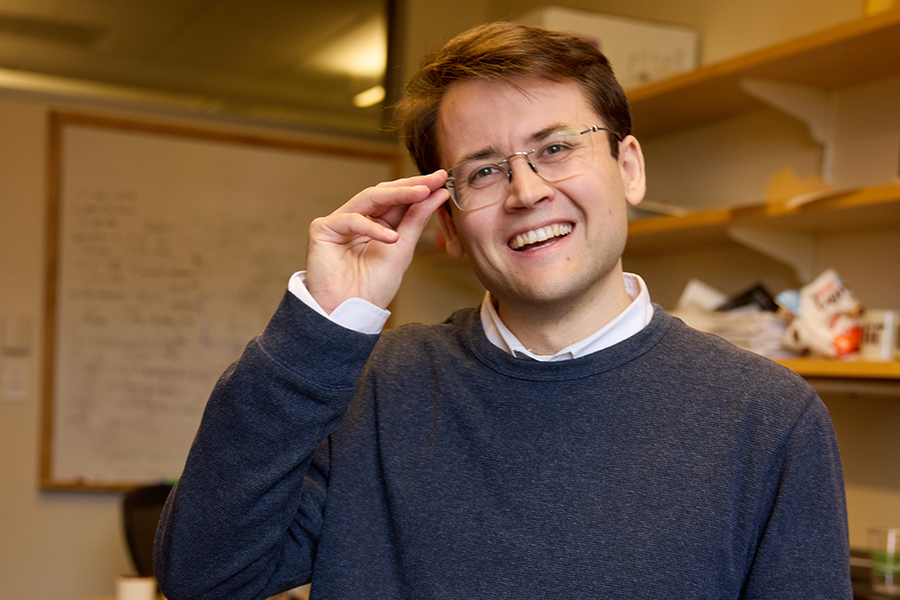
“As a student of both sociology and economics, MIT Sloan was the ideal place for me to combine both disciplines,” says Alex Busch, a PhD student. “MIT Sloan is unique in the freedom it offers its PhD students to become the researchers they aspire to be: I take classes in management, economics, and sociology, all taught by experts in the field.”
Before joining MIT Sloan School of Management’s PhD program, Busch received a BS in economics and a BA in sociology from Heidelberg University in Germany and a MS in economics from The London School of Economics and Political Science. Then, he worked as a pre-doc for professors at the University of California Berkeley and MIT, which introduced him to the research at MIT Sloan — and more specifically, the Institute for Work and Employment Research.
Busch’s work focuses on how institutions such as trade unions and employer associations shape the labor market. “To me, the future of work means democracy. It’s hard to have any positive vision of work without meaningfully engaging workers. This is why I research economic democracy — whether through unions, employee ownership, or works councils — worker voice is pivotal in designing good jobs.”
After receiving his PhD, Busch hopes to continue his research in a way that benefits people outside of academia — policymakers as well as leaders from both capital and labor.
“At MIT Sloan, I sometimes attend events that target MBAs to listen to their perspectives. The gap between what academics think they know about the real world and practitioners’ common sense can be quite jarring. However, this is where a management department can truly be the best of two worlds!”
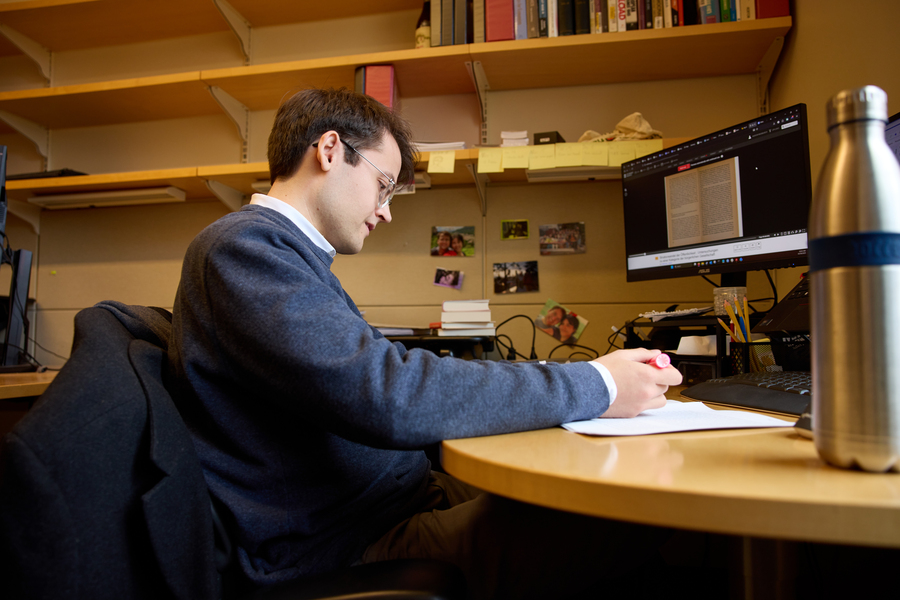
I start my morning in my office. I usually start at 7 a.m., meeting with my coauthors in Germany by phone. I bike to work, which helps me get my body and brain moving.
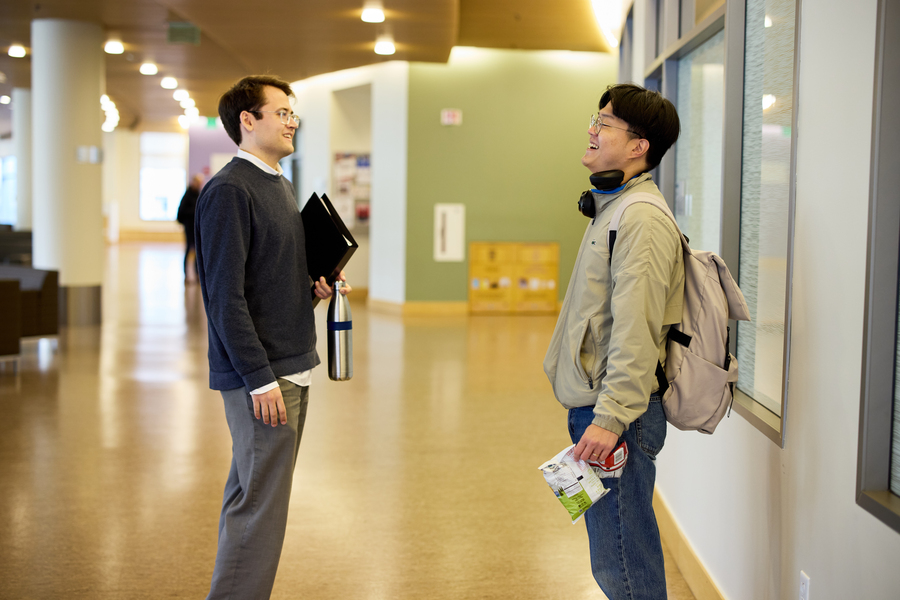
I run into my friend Soohyun Roh, a PhD colleague from IWER. One of the things that’s surprised me about my MIT Sloan experience is the variety of topics people are working on. I thought I knew what to expect from “management,” but it is so much broader than I ever anticipated.
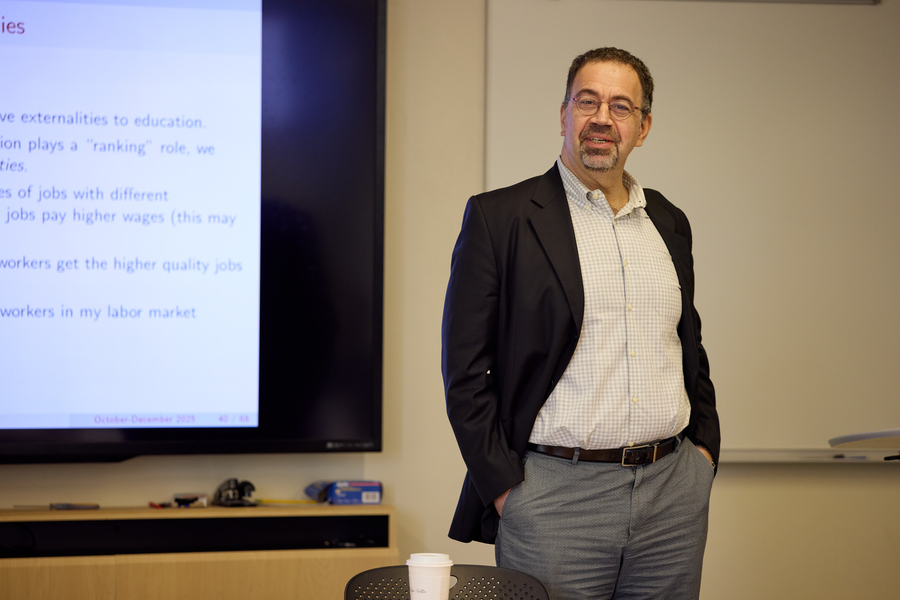
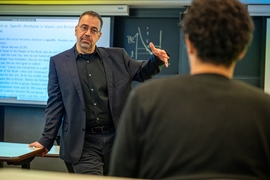
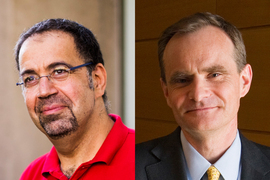
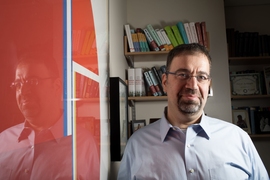
My first class of the day is Labor Economics with Professor Daron Acemoglu. It’s incredible to take a class taught by the co-winner of the 2024 Nobel Memorial Prize in Economic Sciences. MIT Sloan has connected me with so many leading researchers and faculty — it’s an expansive community full of practitioners who’ve made significant impacts in their fields.
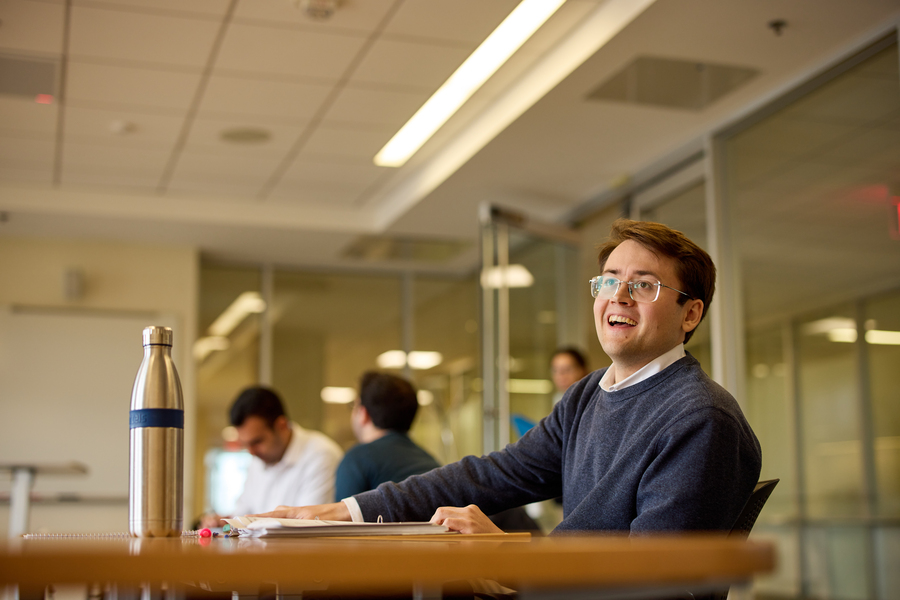
The class combines methods, models, and empirical findings from the world of work. It is a small group of students, which allows for lively discussion on topics at the forefront of research. Taking the class is also a great way to get to know more students with common research interests. It is rewarding to look at my own research within labor economics from other perspectives, too. For instance, we covered household bargaining (e.g., which partner should work for pay and who should manage the home), which inspired me to reconsider how I modeled wage bargaining in my research.
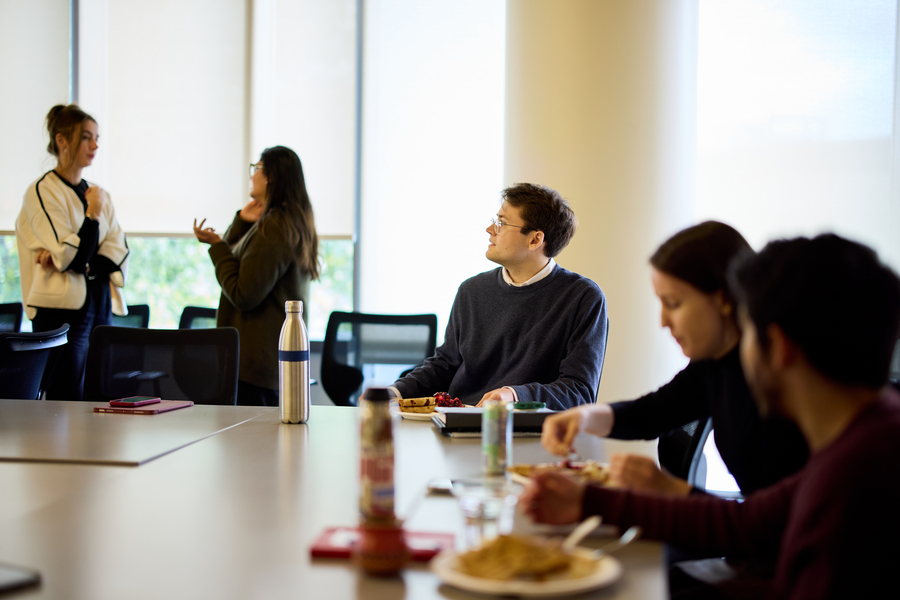
I participate in a few research seminars through MIT Sloan, MIT’s economics department, and Harvard Business School. In these seminars, I present my own research and think through projects of other PhD students and faculty. It’s fascinating and inspiring to see what other people are working on.
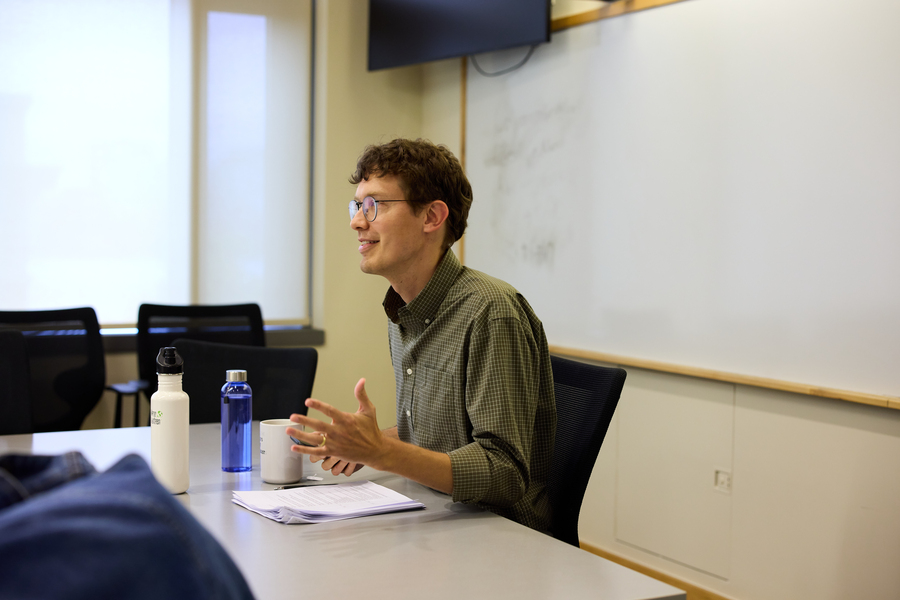
Associate Professor Nathan Wilmers is one of my advisors. I was drawn to both of my advisors — Nathan Wilmers and Anna Stansbury — because of their research on inequality and labor market institutions. Being advised by a sociologist and an economist at the same time is a great privilege.
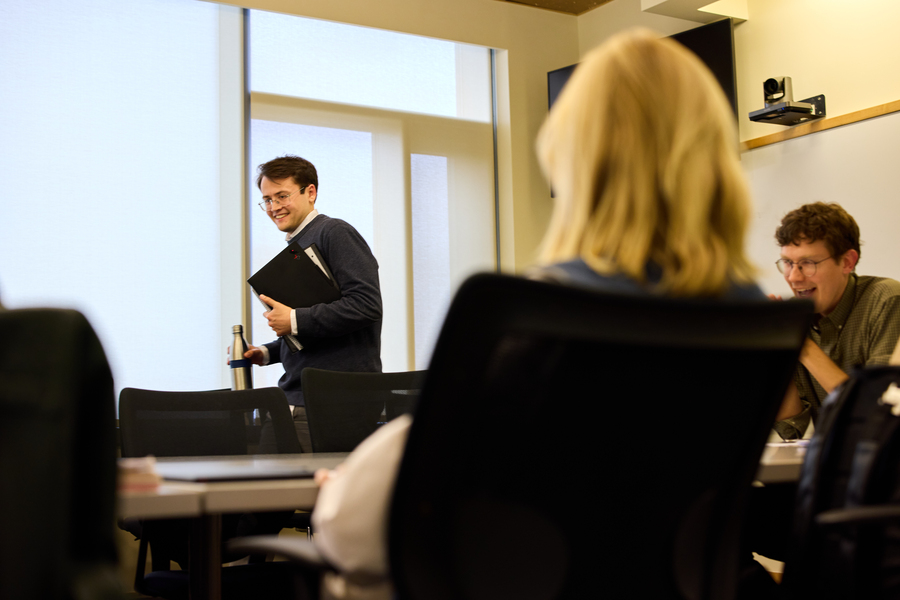
Nathan Wilmers teaches my last class of the day — Social Theory — in which we cover readings in economic sociology. Again, a very small group of students, and very open-ended discussions on a wide range of topics. An aspect I enjoy about the class is that it brings together students from various disciplines, not just management science.
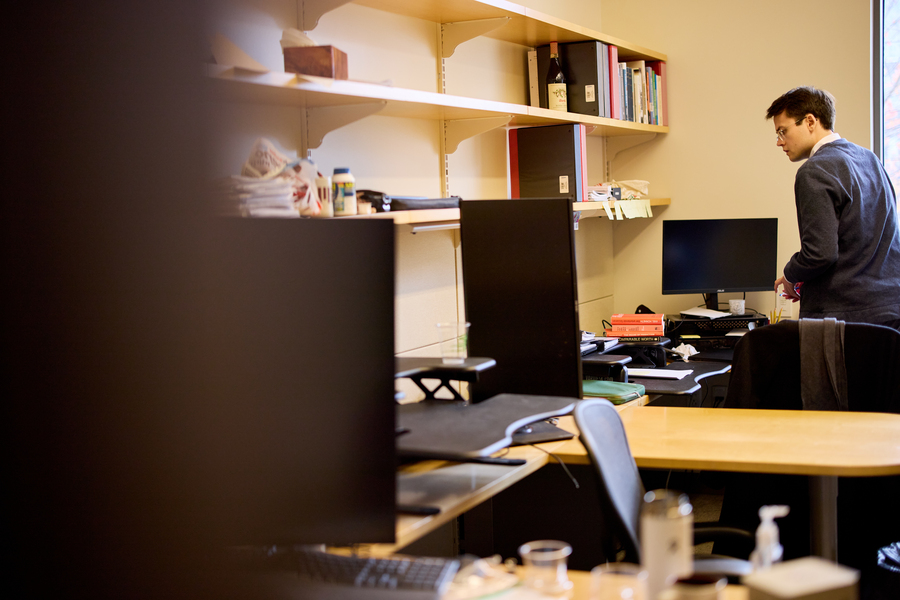
After classes end for the day, I head back to my office to finish some more work. I try not to take my laptop out of the office unless I’m traveling, so I can keep my job and private life separate. In my current projects, I’m evaluating the economic impact of strikes, worker co-management, and industry-wide union bargaining.
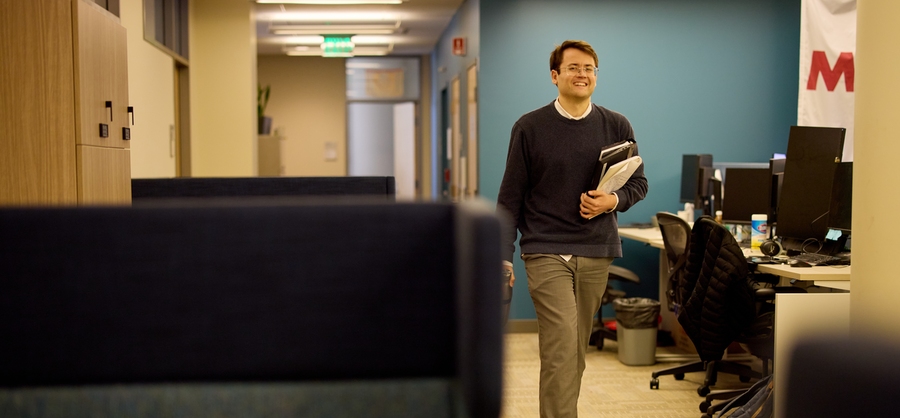
I head home for the day — I might go for a run, but often I cannot stop thinking through problems I encounter in my research. Whether I am walking through campus, on the train, in a union meeting, or sitting in the park with a book, I try to keep track of my ideas. If I don't have my notebook with me, I organize my thoughts by texting myself, with varying success.