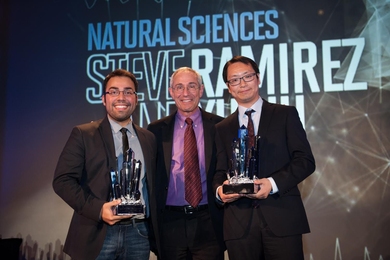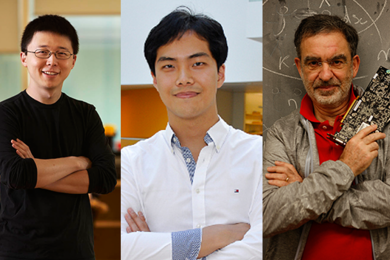
MIT researchers to receive awards from the Society for Neuroscience
Three neuroscientists at MIT have been selected to receive awards from the Society for Neuroscience.
Three neuroscientists at MIT have been selected to receive awards from the Society for Neuroscience.

MIT study finds unprecedented production of metals needed to meet some solar energy goals.
Newly tenured biologist Iain Cheeseman explores the complex structures that control cell division.
Award recognizes pioneering research on metal atoms in biology and medicine.
Jimmy Gasore is working on Africa’s first high-frequency climate observatory in his native Rwanda.
Better options available in thousands of near-Earth asteroids, expert says.
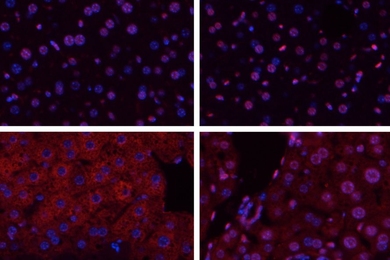
An enzyme key to DNA repair can worsen tissue damage caused by stroke and organ transplantation.
New genome-editing technique enables rapid analysis of genes mutated in tumors.

The professors have been awarded $1.8 million each for discovery-driven, high-risk research, with potential for new experimental techniques.

"Mathletes" show off their talent, passion, and leadership at the sixth annual Math Prize for Girls.

First set of grants support projects designed to improve diagnostic accuracy and cost-effectiveness.
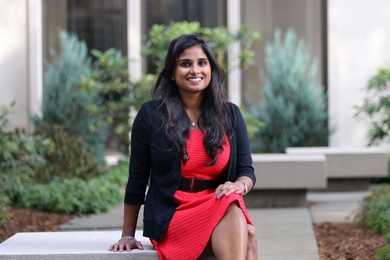
Senior Christina Lalani applies lessons she learned from karate to global health disparities.
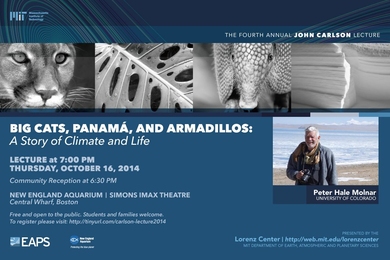
Geologist and 2014 Crafoord Prize-winner will deliver the 4th annual John Carlson Lecture.
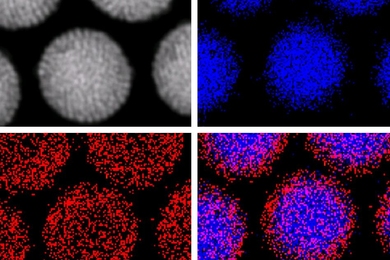
New method produces particles that can glow with color-coded light and be manipulated with magnets.