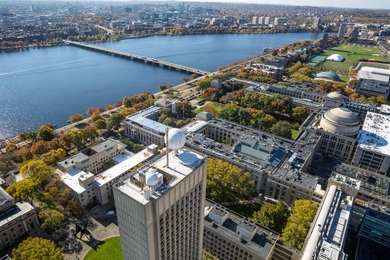
$20 million Commonwealth Foundation for Cancer Research gift to expand collaborative cancer research
Gift will augment the Bridge Project, a collaborative project between the Dana-Farber/Harvard Cancer Center and MIT's Koch Institute.
Gift will augment the Bridge Project, a collaborative project between the Dana-Farber/Harvard Cancer Center and MIT's Koch Institute.
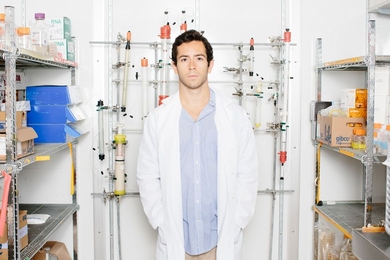
PhD student Abe Weintraub helps identify when DNA folding is helpful, and when it might cause cancer.
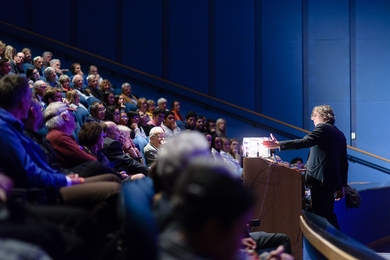
Director of the Max Planck Institute for Meteorology describes how atmospheric water contributes to climate change.
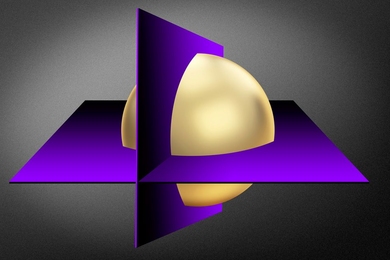
New general-purpose optimization algorithm promises order-of-magnitude speedups on some problems.
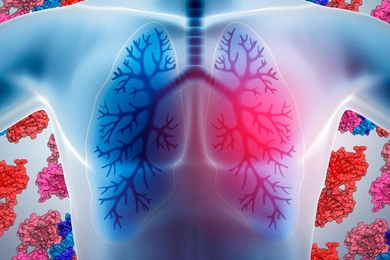
Targeting the RNA-binding protein that promotes resistance could lead to better cancer therapies.
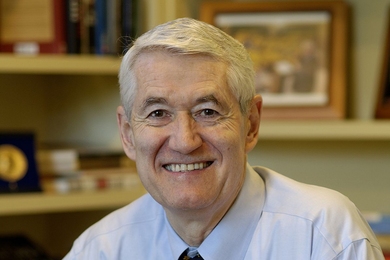
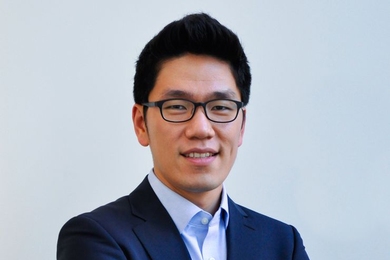
Funding will support the development of novel technologies for better understanding of large-scale biological systems.

Quakes can change elastic properties of the Earth’s crust up to 6,000 kilometers away.
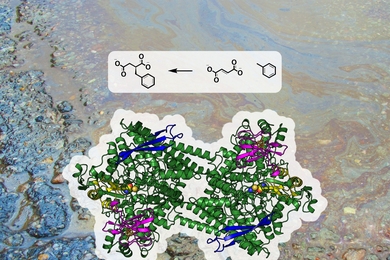
Professor Catherine Drennan and graduate student Michael Funk want energy production and environmental protection to go hand in hand.
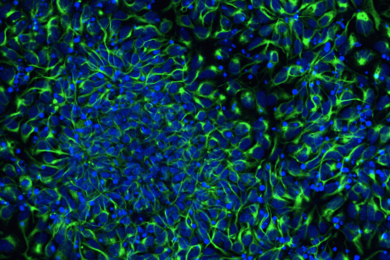
Taking advantage of genetic heterogeneity in autism and other neurodevelopmental disorders could lead to precision therapies.
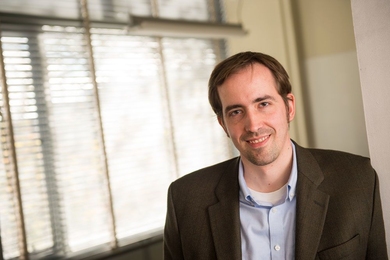
Seventy-eight grants awarded to scientists proposing highly innovative approaches to major contemporary challenges in biomedical research.
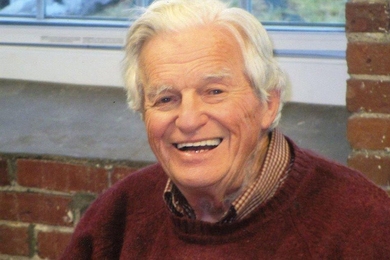
World-renowned applied mathematician's 50-year career at MIT included service as Department of Mathematics head from 1989 to 1999.

Study finds pledges by top greenhouse gas emitters leaves little room for others; urges greater R&D.
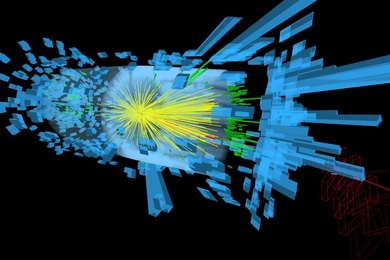
Scientists precisely count particles produced in a typical proton collision.