Scientists illuminate a hidden regulator in gene transcription
New super-resolution technique visualizes important role of short-lived enzyme clusters.
New super-resolution technique visualizes important role of short-lived enzyme clusters.
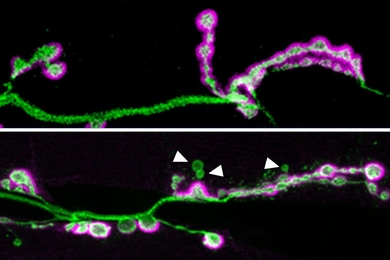
Loss of Shank gene prevents neuronal synapses from properly maturing.

For the first time, women will hold both of the board’s top leadership positions.
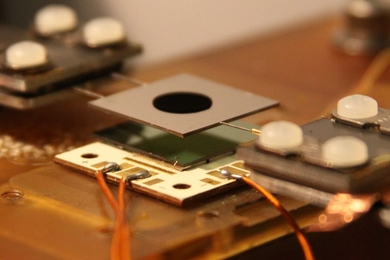
System converts solar heat into usable light, increasing device’s overall efficiency.

Century-old campus “Main Group” gets first major modernization, including efficient modern windows.

Biologist honored for his scientific leadership, pioneering work in genomics, and inspiring teaching.
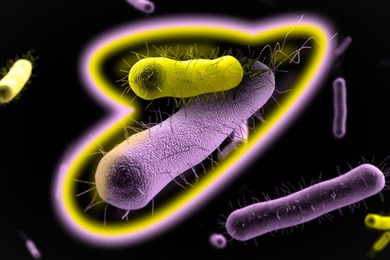
Strains of E. coli resistant to one antibiotic can protect other bacteria growing nearby.

Beginning 2.33 billion years ago, atmospheric oxygen built up in just 10 million years.
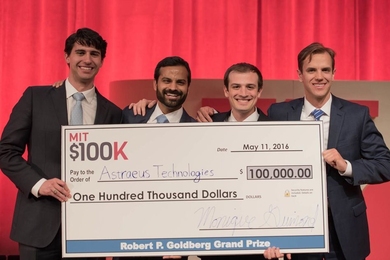
Team’s smartphone-connected device can detect lung cancer early from a single breath.

Study identifies new gene variants that may be targets for treating arrhythmia.
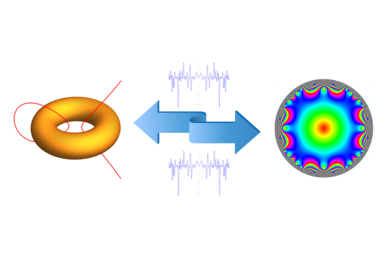
New online resource represents enormous computational effort, will advance research across fields.
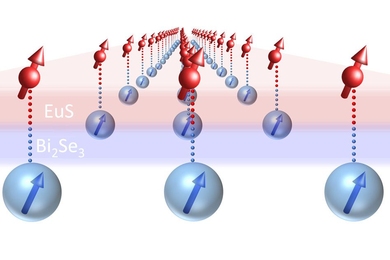
Combining two thin-film materials yields surprising room-temperature magnetism.

Comprehensive fundraising initiative aims to raise $5 billion to advance Institute’s work on some of the world’s biggest challenges.