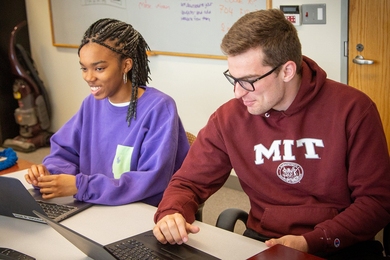
MIT Program in Digital Humanities launches with $1.3 million Mellon Foundation grant
Among the program's offerings, the Digital Humanities Lab applies computational tools to humanistic research — and builds a community fluent in both languages.
Download RSS feed: News Articles / In the Media / Audio
Among the program's offerings, the Digital Humanities Lab applies computational tools to humanistic research — and builds a community fluent in both languages.
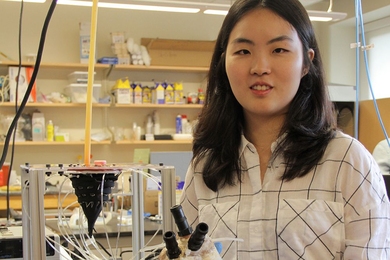
MISTI Global Seed Funds program awards another $2 million to researchers across the Institute.
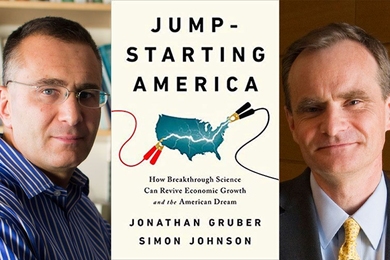
In a new book, MIT professors say more public investment in science will create a better economy for all.
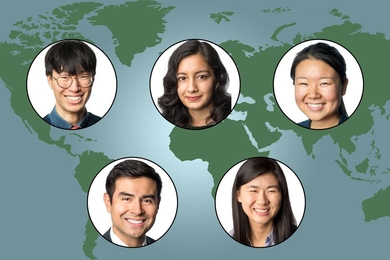
Award funds graduate studies for talented immigrants and children of immigrants.
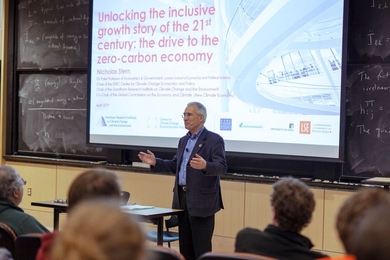
In MIT talk, Lord Nicholas Stern calls the next 20 years “absolutely defining” for society.
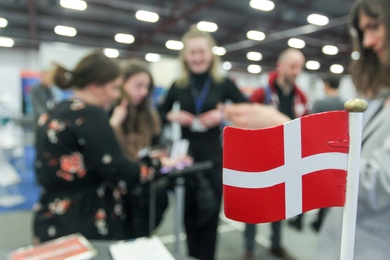
New MIT-Denmark program is poised to send its first students overseas for internships and research.
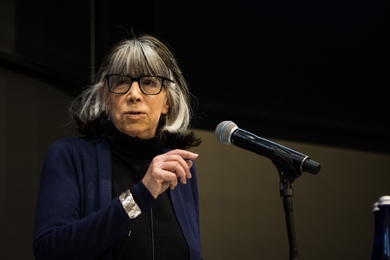
At this year's MacVicar Day symposium, faculty and students reflect on the challenges and joys of education in the 21st century.
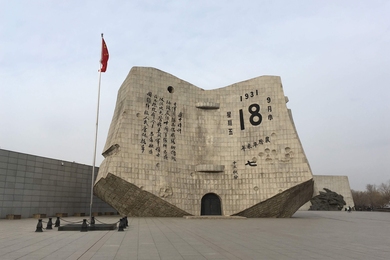
When responding to disputes with foreign powers, China does not speak with one voice, political science doctoral candidate Kacie Miura finds.
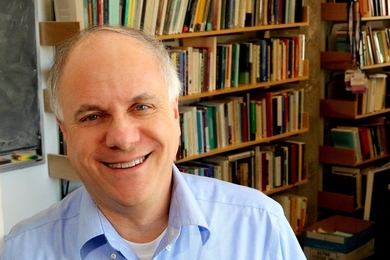
MIT Professor David Pesetsky describes the science of language and how it sheds light on deep properties of the human mind.
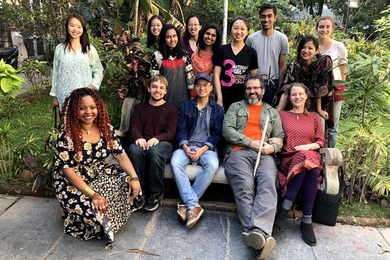
MIT students connect with premier Indian institutes, hospitals, and students to collaborate on “humanistic” assistive design.
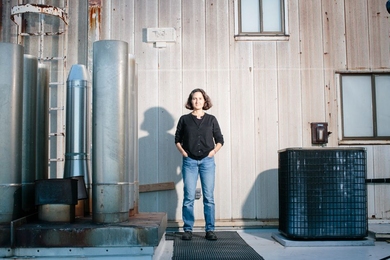
MIT Professor Jennifer Light digs into the history of the idea that students aren’t part of the labor force.
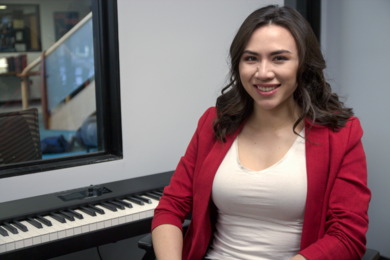
Senior chemistry major, athlete, and artist Audrey Pillsbury creates a musical about life as a second-generation Asian-American.
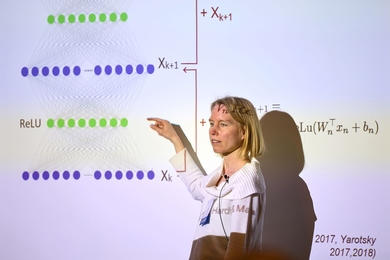
MIT Institute for Data, Systems, and Society co-hosted WiDS Cambridge, a daylong conference connecting data scientists across academia and industry.
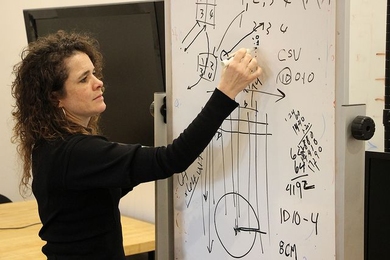
Digitally mapping informal transportation networks in developing cities can help them reach the United Nations' Sustainable Development Goals.
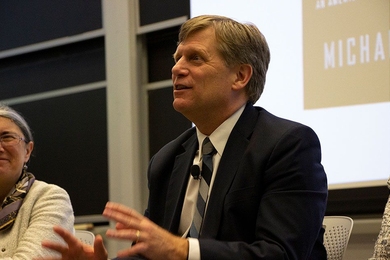
In MIT talk, Michael McFaul, former U.S. ambassador to Russia, explores tensions between the two countries.