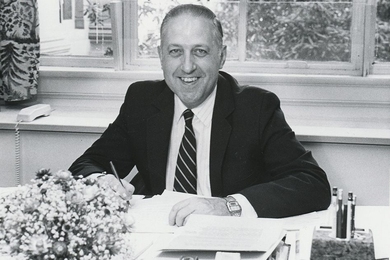
Frank Perkins, professor emeritus of civil and environmental engineering, dies at 82
Longtime professor and former dean for graduate education had lasting impacts on civil engineering and teaching at MIT.
Longtime professor and former dean for graduate education had lasting impacts on civil engineering and teaching at MIT.
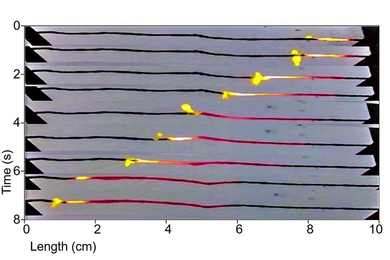
Battery substitutes produce current by burning fuel-coated carbon nanotubes like a fuse.
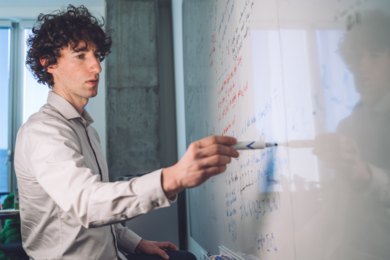
Assistant professor of electrical engineering and computer science discusses his work focusing on learning graphical models from data.
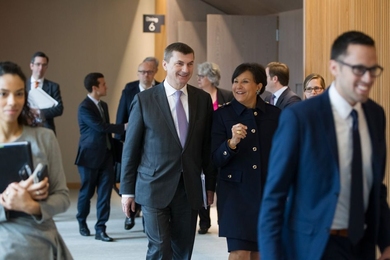
With EU vice president, U.S. secretary of commerce discusses EU-U.S. “Privacy Shield” and launches new policy program.

Collaboration has created a pioneering new graduate university in Russia, says project director.
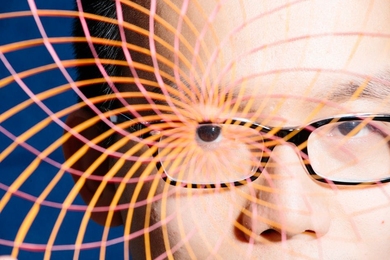
Senior YQ Lu finds new ways to combine math and paper art, shares his passion for both.
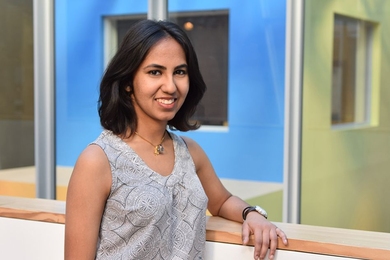
Neerja Aggarwal reflects on her love for theater, ultimate Frisbee, and electrical engineering.

Aviation is “a critical link in solving worldwide environmental challenges,” says MIT professor.
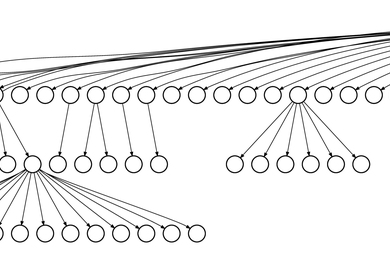
"Polaris" system from MIT's Computer Science and Artificial Intelligence Lab accelerates website load-time by decreasing network trips.
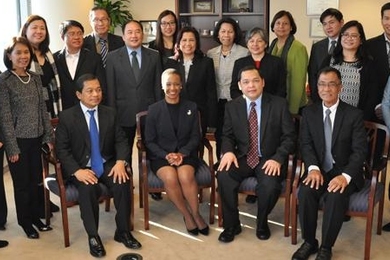
Delegates from the U.S. Trade and Development Agency's Global Procurement Initiative visited MIT to learn about innovative life cycle cost analysis models.

Scientists surprised to find amino acids, not sugar, supply most building blocks for tumor cells.
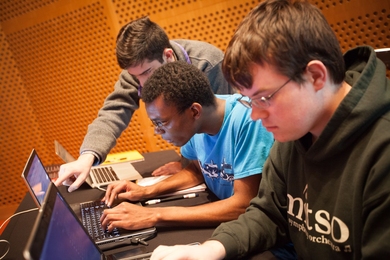
Hosted by the Computer Science and Artificial Intelligence Laboratory, event featured mixed student teams tackling cybersecurity challenges.
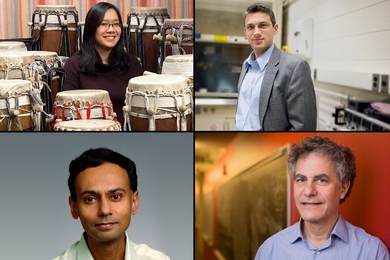
Devadas, Grossman, Sipser, and Tang awarded MIT’s highest undergraduate teaching award.

System lets Web users share aspects of their browsing history with friends, researchers.

New quantum computer, based on five atoms, factors numbers in a scalable way.