Using data from social networks to understand and improve systems
Researchers in IDSS are learning how ideas evolve over networks, quantifying the influence of individuals in networks, and making better predictions.
Researchers in IDSS are learning how ideas evolve over networks, quantifying the influence of individuals in networks, and making better predictions.
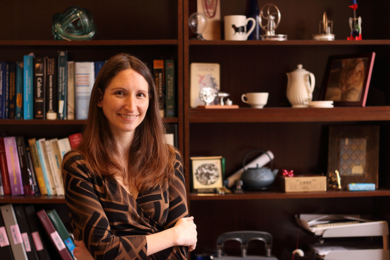
Assistant professor studies how small differences in molecular structure alter behavior in unexpected ways for energy-related applications.
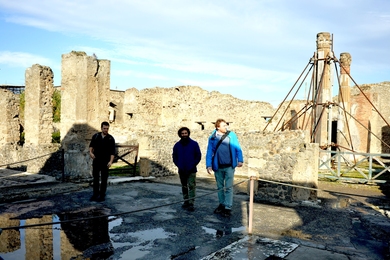
New fieldwork program in civil and environmental engineering takes students to Italy for a lesson in ancient infrastructure and materials.
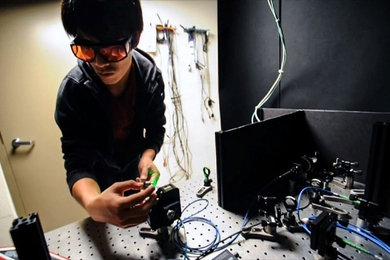
Feedback technique used on diamond “qubits” could make quantum computing more practical.
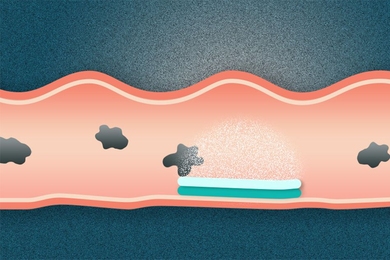
New tablet attaches to the lining of the GI tract, resists being pulled away.
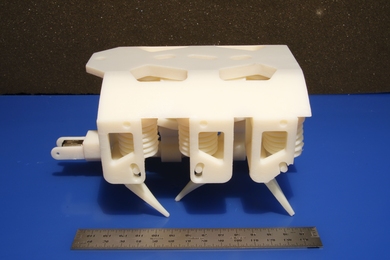
System from Computer Science and Artificial Intelligence Lab 3-D prints hydraulically-powered robot bodies, with no assembly required.
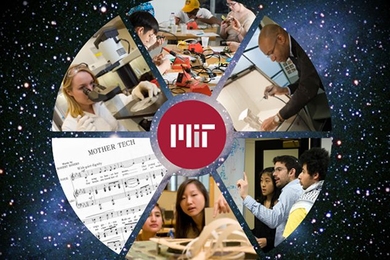
Beyond 2016: MIT’s Frontiers of the Future event offers a playful introduction to research at MIT.
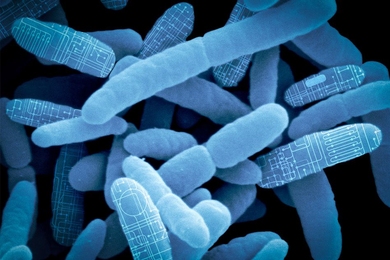
Daily doses of synthetic biotics developed by startup Synologic may sense, treat metabolic diseases.

New theory, inspired by chocolate coatings, predicts thickness of thin shells.
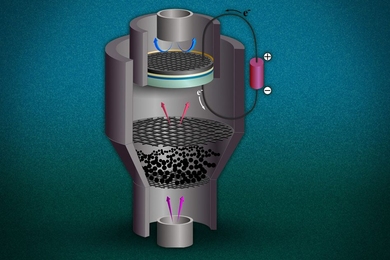
Combining gasification with fuel-cell technology could boost efficiency of coal-powered plants.
New seed fund encourages collaboration between faculty at MIT and Imperial College London.
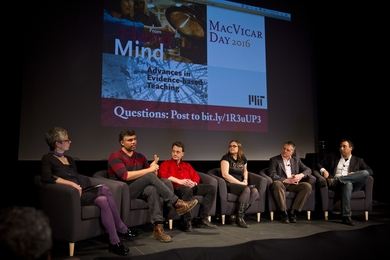
MacVicar Day symposium features a sampling of innovative pedagogical practices and lessons learned.
Global innovation accelerator seeks its next batch of technology-based entrepreneurs.
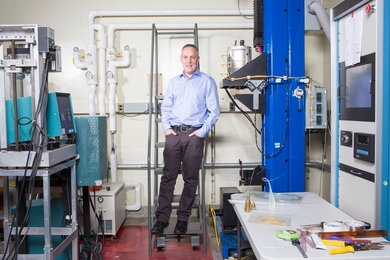
National public-private consortium led by MIT will involve manufacturers, universities, agencies, companies.