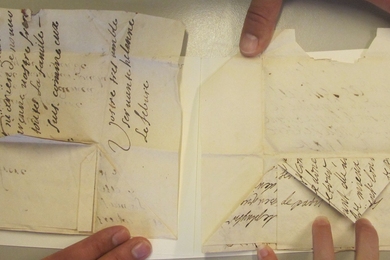
Unlocking the past with the future of imaging
New grants help MIT Libraries, DMSE, and CSAIL push the boundaries of examining artifacts.
New grants help MIT Libraries, DMSE, and CSAIL push the boundaries of examining artifacts.
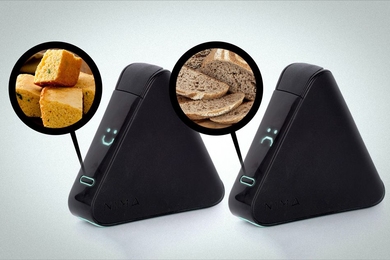
Portable sensor detects trace amounts of gluten in food at restaurants.
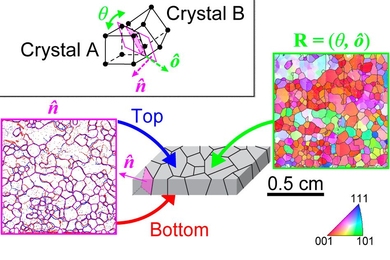
Method uses readily available tools to quickly determine materials’ properties.
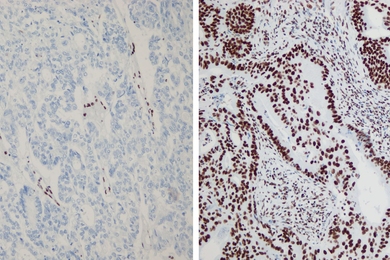
Researchers identify genes that mutate in endometrial cancer, create a family tree describing the evolutionary history of the disease.
Associate Professor Ernest Fraenkel uses biological network modeling to identify new targets for disease.
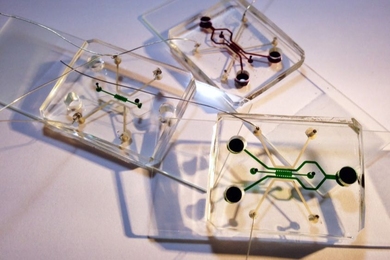
Low-intensity fields keep malignant cells from spreading, while preserving healthy cells.
Tests in mice show the vaccines work against Ebola, influenza, and a common parasite.
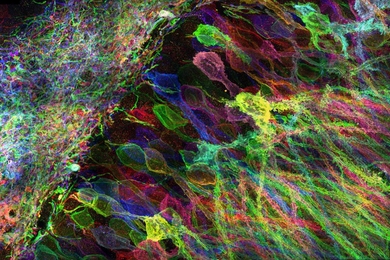
Microscopy technique allows scientists to pinpoint RNA molecules in the brain.
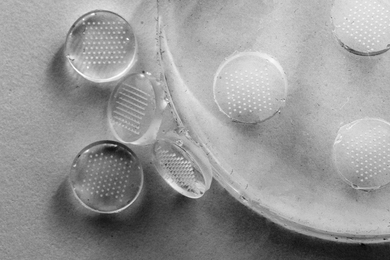
Workshop led by scientist and photographer Felice Frankel teaches researchers how to translate experiments into captivating images.
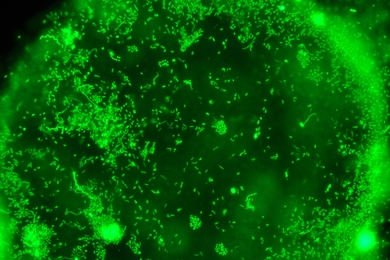
New research finds interactions between microorganisms and marine particles may have significant effects on oceanic carbon cycling.
A leader in the field of manufacturing and design has been appointed the Clarence J. LeBel Professor of Electrical Engineering.
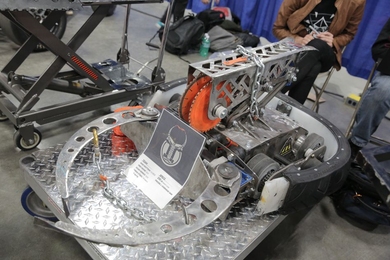
MIT’s thriving maker culture is on display in ABC network’s “BattleBots” competition.
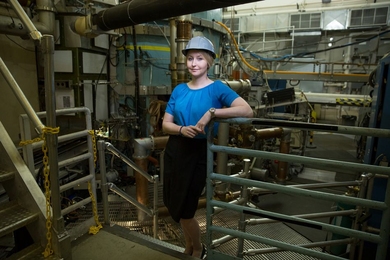
Physicist has a fascination for the complexities of turbulence, and how to reduce it in fusion reactors.