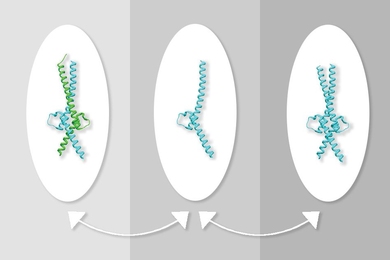
A new approach to drugging a difficult cancer target
Study suggests an alternative way to treat tumors that are dependent on the cancer-promoting Myc protein.
Study suggests an alternative way to treat tumors that are dependent on the cancer-promoting Myc protein.
Most pills contain compounds with potential to cause allergic reactions or discomfort in some patients.
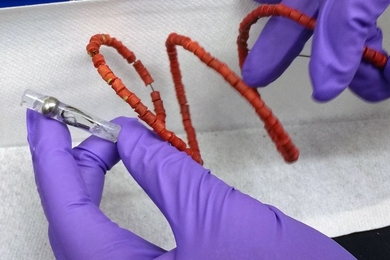
Drug delivery system would allow patients to switch from daily to monthly doses.

Ninth annual Research Speed Dating event fosters intradepartmental collaboration and facilitates discussion of future efforts to solve global issues.
Graduate engineering program is No. 1 in the nation; MIT Sloan is No. 3.

Professor of biology Ernest Fraenkel and visiting scientist Judah Cohen win the Sub-Seasonal Climate Forecast Rodeo competition.

In David Rose Lecture, Sun Microsystems co-founder urges bold plans to address global challenges.

Alumni-founded Toast provides technologies that help get an order from a customer to the kitchen and back again.
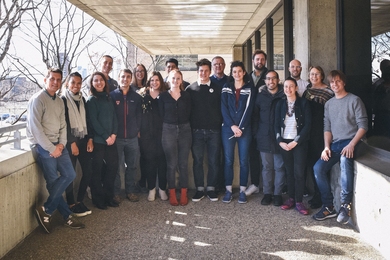
MIT Energy Initiative program is using design thinking to solve energy issues on Martha’s Vineyard and beyond.
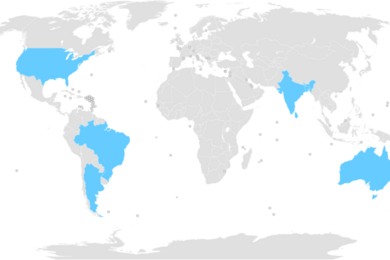
The GOSSIS algorithm was developed using data from hospitals around the world to spur greater multi-center collaboration and improved benchmarking.
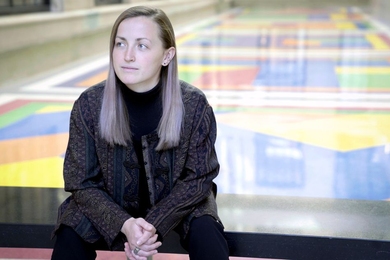
MIT senior and Rhodes Scholar Sarah Tress aims to use engineering to reduce hardships in developing countries.
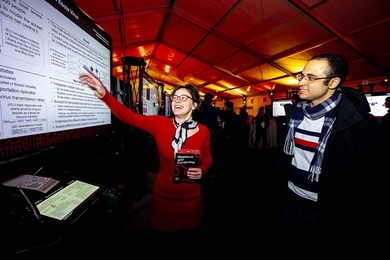
Research projects show creative ways MIT students are connecting computing to other fields.
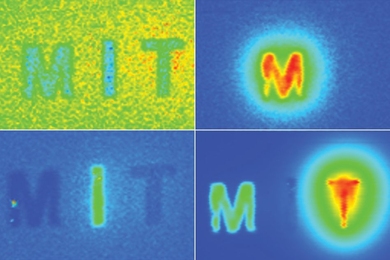
Near-infrared technology pinpoints fluorescent probes deep within living tissue; may be used to detect cancer earlier.

Coating graphene with wax makes for a less contaminated surface during device manufacturing.
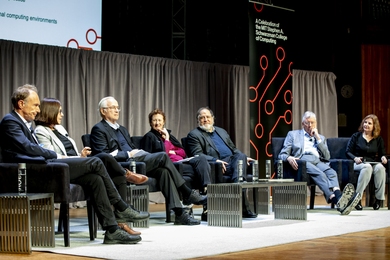
Fireside chat brings together six Turing Award winners to reflect on their field and the MIT Stephen A. Schwarzman College of Computing.