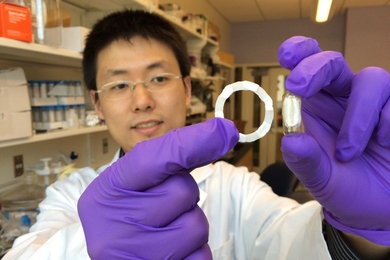
New material opens possibilities for super-long-acting pills
A pH-responsive polymer gel could create swallowable devices, including capsules for ultra-long drug delivery.
A pH-responsive polymer gel could create swallowable devices, including capsules for ultra-long drug delivery.

Research suggests western U.S. deserts were relatively wet up until 8,200 years ago.
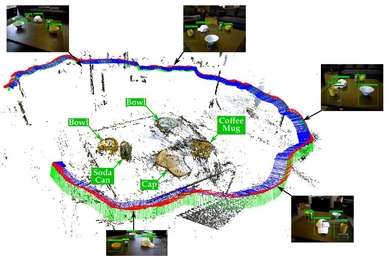
Robots’ maps of their environments can make existing object-recognition algorithms more accurate.

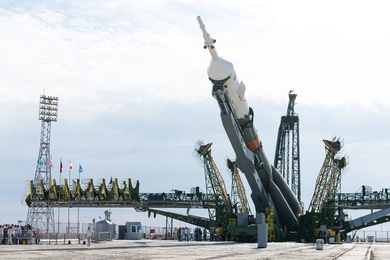
System for locking satellites together, initially developed for master’s thesis, to get first space test.

PhD student Reshmaan Hussam’s study of Bangladeshis’ economic behavior leads to research on hand-washing.

New method may help engineers determine coastal impact of dams and levees.
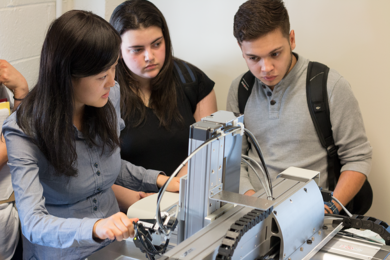
Summer interns are learning research skills while helping to make progress in materials, drug delivery, and energy in MIT labs.
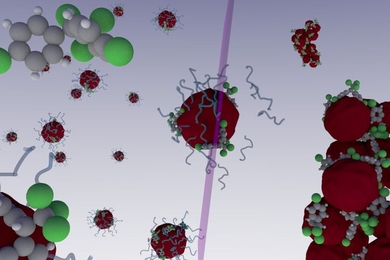
Nanomaterials and UV light can “trap” chemicals for easy removal from soil and water.
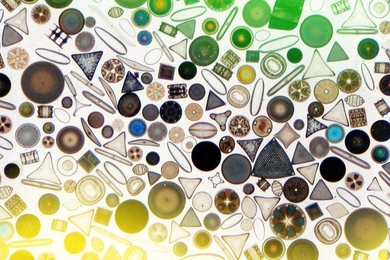
Study finds many species may die out and others may migrate significantly as ocean acidification intensifies.

Senior research officers from MIT and universities across the U.S. met with the press to discuss the future of the research enterprise.
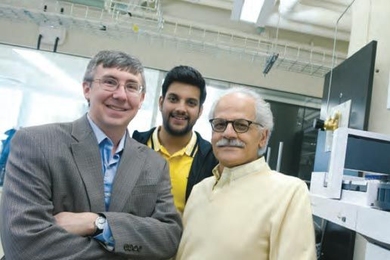
New insights into a promising approach to fuel production that would reduce costs, energy use, and carbon dioxide emissions.
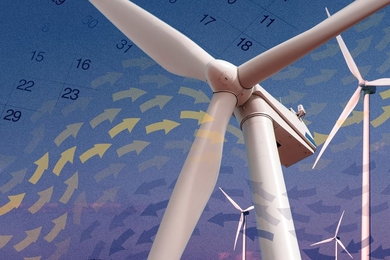
New model predicts wind speeds more accurately with three months of data than others do with 12.
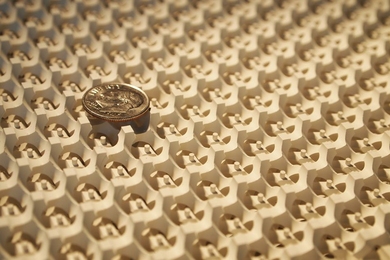
Weyl points, first predicted in 1929, observed for the first time.
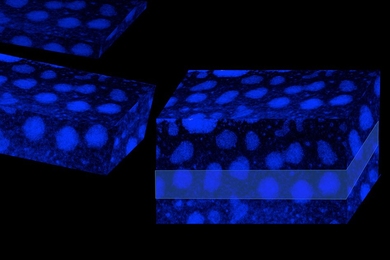
Materials seen as promising for optoelectronics and thermoelectric devices finally yield their secrets.