
MIT to host American Physical Society Division of Fluid Dynamics Meeting
A record number of presenters from the international community will convene for the 68th annual Division of Fluid Dynamics Meeting Nov. 22-24.
A record number of presenters from the international community will convene for the 68th annual Division of Fluid Dynamics Meeting Nov. 22-24.
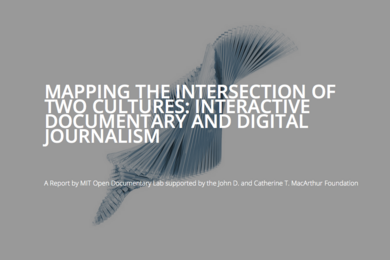
MIT report represents the first thorough mapping of the ongoing convergence between interactive and participatory practices within digital journalism.
IPL faculty lead describes the project's origins and invites proposals for lab-funded policy research projects.
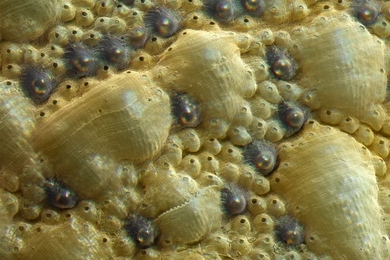
Tiny sea creatures feature transparent optical systems as tough as their shells.

Half of the communication connections established by the top 500 Android apps have no effect on user experience.

Meeting with French leaders and industry representatives at U.S. Embassy in Paris highlights value of interdisciplinary partnerships to advance low-carbon technologies.
D. Fox Harrell receives $1.35 million in grant funding to advance research at the intersection of social science and digital technology.
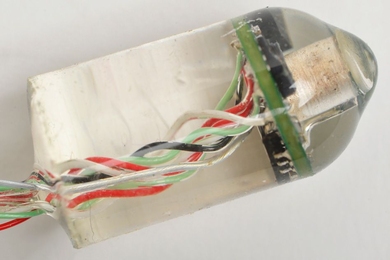
Ingestible sensor measures heart and breathing rates from within the digestive tract.
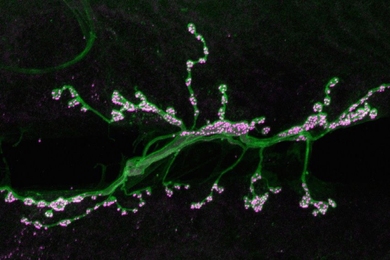
Newly identified mechanism allows the brain to strengthen links between neurons.
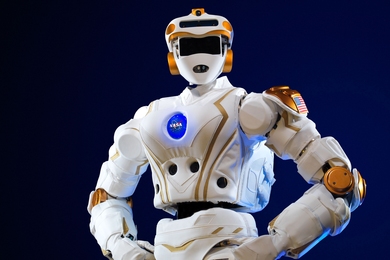
Team led by Professor Russ Tedrake of CSAIL to develop algorithms for 6-foot-tall “Valkyrie” robot to travel to Mars and beyond.
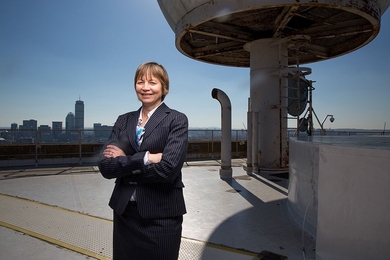
MIT’s vice president for research looks ahead to implementation.
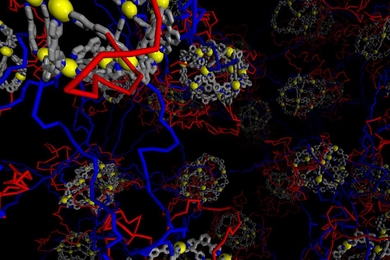
New materials could be tuned for applications including drug delivery and water filtration.

MIT professor talks about our need for face-to-face dialogue, in families, classrooms, and workplaces.
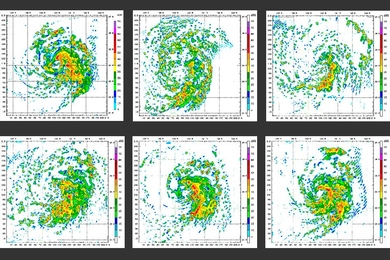
Algorithm may be applied to a broad range of complicated problems.

New report explores potential impact of anticipated voluntary commitments to greenhouse gas reductions during the 2015 Paris climate negotiations.