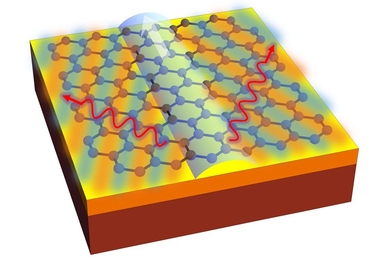
Researchers discover new way to turn electricity into light, using graphene
By slowing down light to a speed slower than flowing electrons, researchers create a kind of optical “sonic boom.”
By slowing down light to a speed slower than flowing electrons, researchers create a kind of optical “sonic boom.”
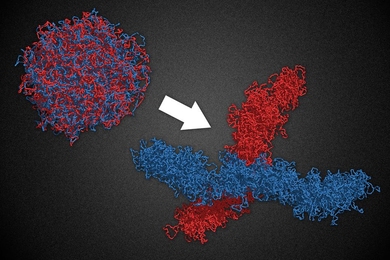
By organizing chromosomes into many tiny loops, molecular motors play key role cell division.
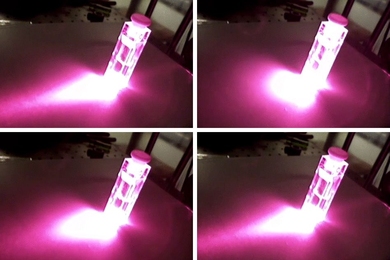
New approach can dramatically change the extent to which optical devices scatter light.

Findings suggest two dining styles for black holes.

From windmills to software, graduate student Ned Burnell creates better tools.

Communesins, originally found in fungus, could hold potential as cancer drugs.
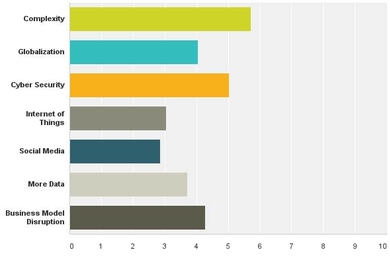
Survey indicates 92.54 percent of companies think the nature of risk is changing due to complexity in the digital economy.

Stretching process can produce nanoscale rods or strips made of many material combinations.
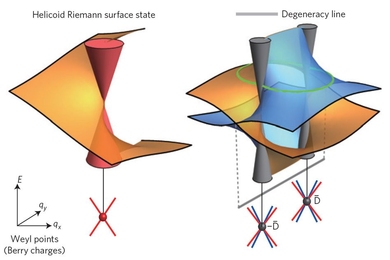
Better understanding of topological semimetals could help usher in future electronics.
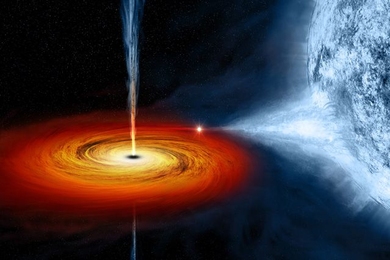
New algorithm could stitch together astronomical measurements made across the globe.
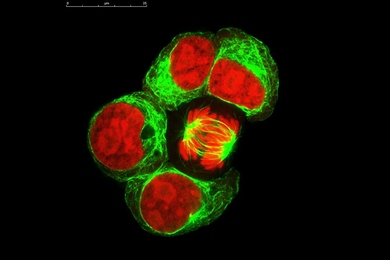
Technique combines analogue and digital processes in engineered cells.
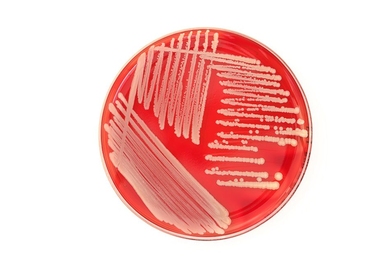
Scientists program C2c2, discovered in bacteria as a viral defense mechanism, to manipulate cellular RNA.
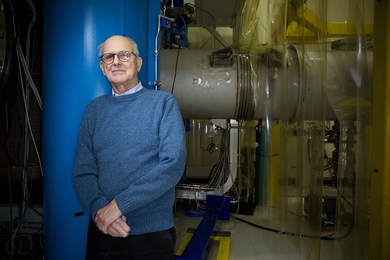
LIGO inventor shares award for direct detection of gravitational waves.
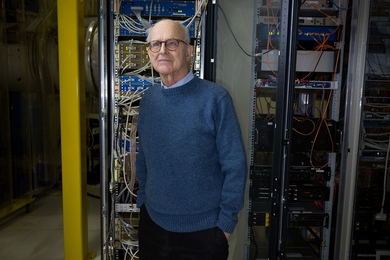
Physics professor emeritus shares prize with Caltech's Kip Thorne and Ronald Drever for designing the Laser Interferometer Gravitational-Wave Observatory.