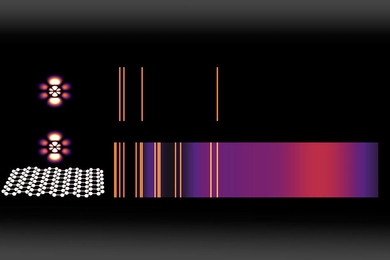
Study opens new realms of light-matter interaction
Some “forbidden” light emissions are in fact possible, could enable new sensors and light-emitting devices.
Some “forbidden” light emissions are in fact possible, could enable new sensors and light-emitting devices.

Researchers demonstrate room-temperature ferroelectric states in ultra-thin films of tin and tellurium.
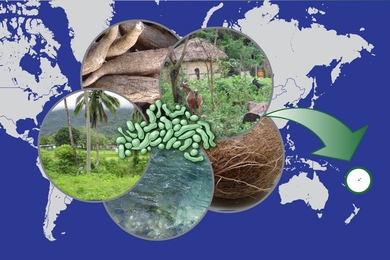
Largest metagenomic view of the developing world uncovers “mobile genes” that reveal how culture shapes the human microbiome.
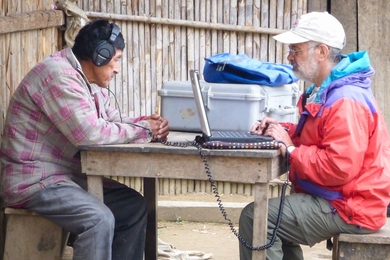
New study suggests that musical tastes are cultural in origin, not hardwired in the brain.
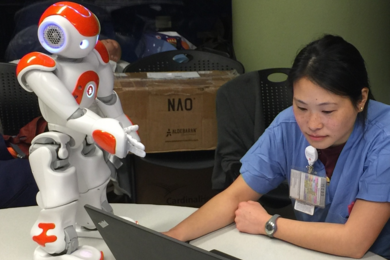
System from Computer Science and Artificial Intelligence Lab suggests where to move patients and who should do C-sections.
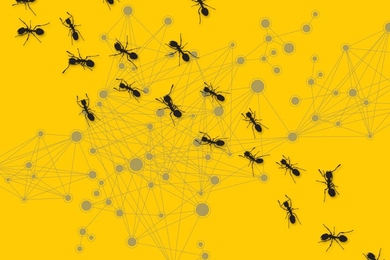
Analysis of ant colony behavior could yield better algorithms for network communication.
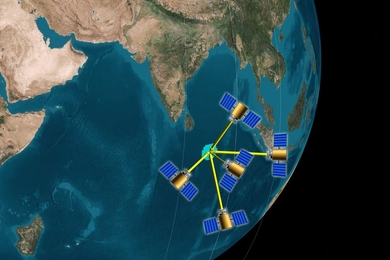
Batches of shoebox-sized satellites could improve estimates of Earth’s reflected energy.
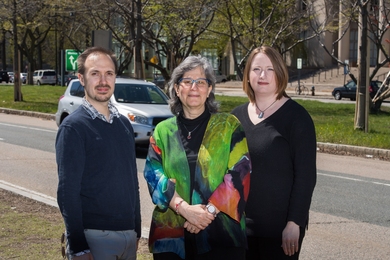
MIT researchers demonstrate a new approach to designing location-specific emissions-control measures.

Concrete Sustainability Hub researcher Omar Swei is working to help Jordanian planners optimize maintenance on state-owned highways.

Network can protect users’ anonymity if all but one of its servers are compromised.
Crowdsourcing clinical data from some 40,000 patients could vastly improve research and critical-care decisions.

With a new tool, any competent spreadsheet user can construct custom database interfaces.
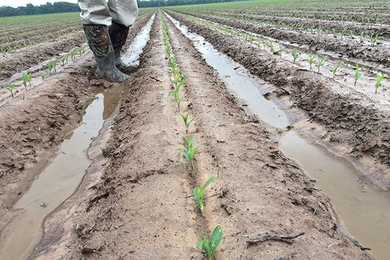
New approach tracks key factors affecting crop yields, enabling early adaptation.
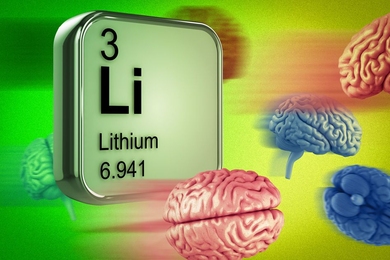
Biologists find a possible explanation for why the drug helps bipolar patients.
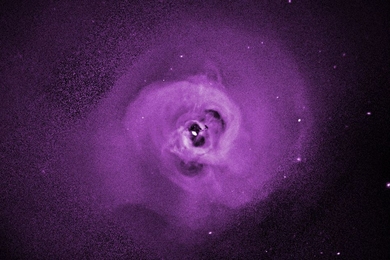
Scientists find gas at center of Perseus cluster travels much more slowly than expected.