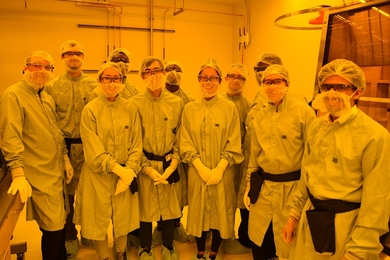
Meet the first undergraduate users of MIT.nano
Micro/nano processing course fabricates devices in MIT.nano’s facilities.
Micro/nano processing course fabricates devices in MIT.nano’s facilities.
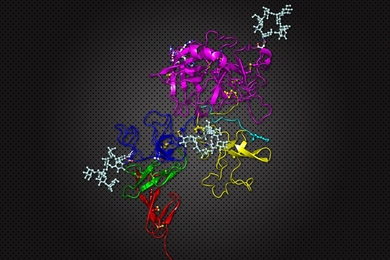
Repurposing a drug used for blood clots may help Covid-19 patients in danger of respiratory failure, researchers suggest.
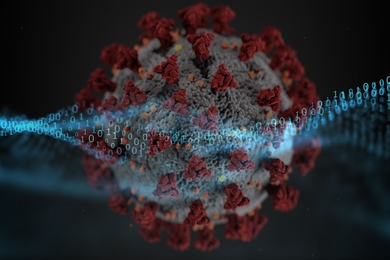
Consortium includes industry, government, and academic institutions.

An unusual synergy between cancer researchers, clinical centers, and industry leads to promising clinical trials for a new combination therapy for prostate cancer.

Using a photorealistic simulation engine, vehicles learn to drive in the real world and recover from near-crash scenarios.
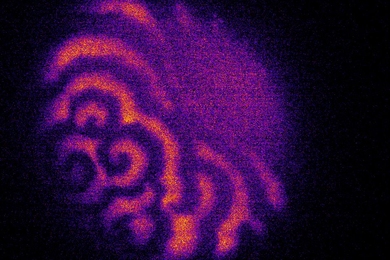
Study shows ripples across a newly fertilized egg are similar to other systems, from ocean and atmospheric circulations to quantum fluids.
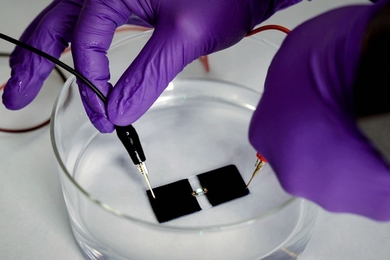
A new way of making polymers adhere to surfaces may enable better biomedical sensors and implants.

Economist Pierre Azoulay answers three questions about his finding that middle-aged entrepreneurs fare better than twentysomethings.

MIT researchers describe factors governing how oceans and atmospheres move heat around on Earth and other planetary bodies.
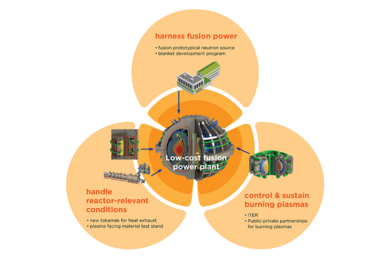
Fusion energy community makes unified statement on priorities in report for Department of Energy Policy Advisory Group.

Monitoring the plant hormone ethylene could reveal when fruits and vegetables are about to spoil.
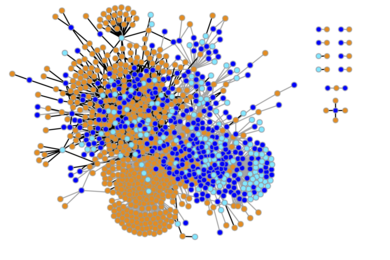
With help from artificial intelligence, researchers identify hidden power of vitamin A and ordinary chewing gum glaze.
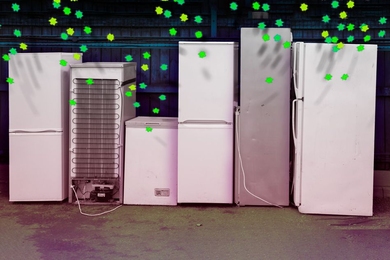
Recovering and safely destroying the sources of these chemicals could speed ozone recovery and reduce climate change.
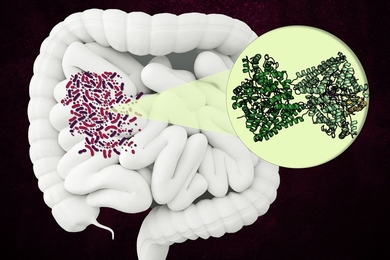
Scientists discover the structure of an enzyme, found in the human gut, that breaks down a component of collagen.

New technique allows for more precise measurements of deformation characteristics using nanoindentation tools.