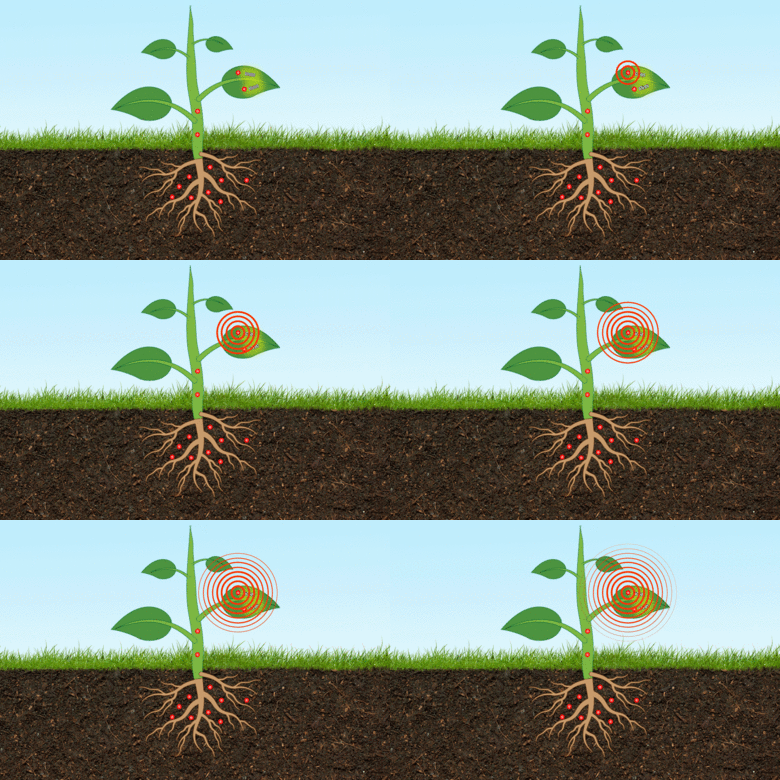
SMART researchers engineer a plant-based sensor to monitor arsenic levels in soil
Nanoscale devices integrated into the leaves of living plants can detect the toxic heavy metal in real time.
Nanoscale devices integrated into the leaves of living plants can detect the toxic heavy metal in real time.
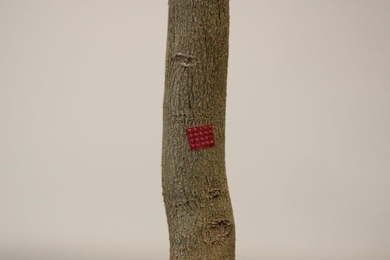
Microneedles made of silk-based material can target plant tissues for delivery of micronutrients, hormones, or genes.

PhD candidate’s journey to the center of the plant cell wall relies on nuclear magnetic resonance technology.
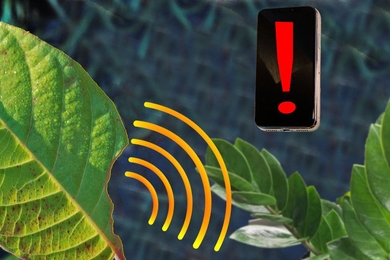
Carbon nanotubes embedded in leaves detect chemical signals that are produced when a plant is damaged.

Study reveals a mechanism that plants can use to dissipate excess sunlight as heat.
Voigt Lab's work could eventually replace cereal crops’ need for nitrogen from chemical fertilizers.

Biologist’s studies illuminate a control system that influences how traits are passed along to new generations.
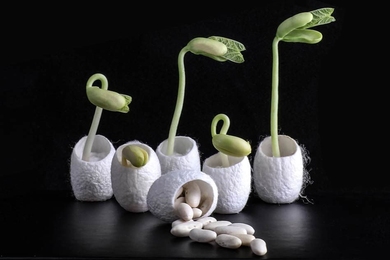
A specialized silk covering could protect seeds from salinity while also providing fertilizer-generating microbes.

Collaborative process makes space for community, plants, and pollinators alike.
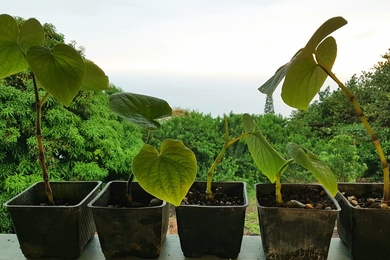
Researchers solve how the kava plant produces its pain-relieving and anti-anxiety molecules, demonstrate an extensible method to scale and optimize production.

Collaboration between MIT architect and chemical engineer could be at the center of new sustainable infrastructure for buildings.
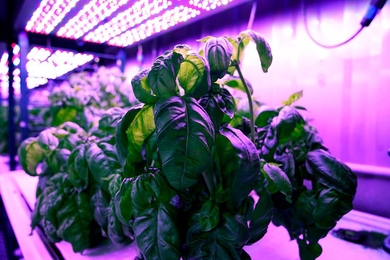
Machine learning can reveal optimal growing conditions to maximize taste and other features.
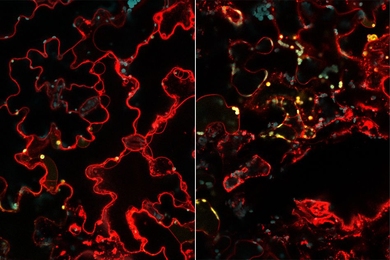
MIT-led team uses nanoparticles to deliver genes into plant chloroplasts.
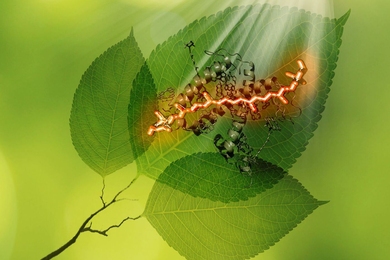
Research from the lab of assistant professor of chemistry Gabriela Schlau-Cohen advances the understanding of plants' photosynthetic machinery.
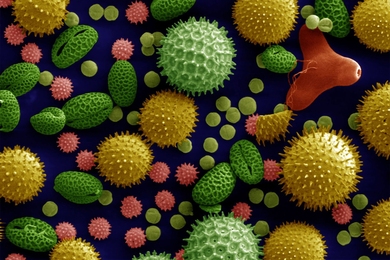
Whitehead Institute and MIT researchers uncover the detailed molecular structure of the sporopollenin polymer, an inert material key for the emergence of land plants.