Environmental Solutions Initiative awards seed grants to advance collaborative progress on environmental challenges
Grants of up to $200,000 will fund environmental partnerships over the next two years.
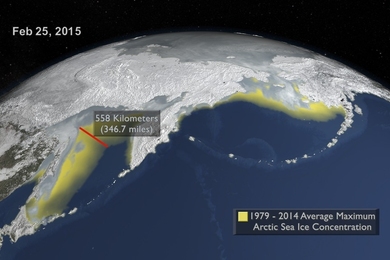
Closing the arctic data gap
Ice-tethered devices are helping researchers collect more data on the Arctic Ocean.
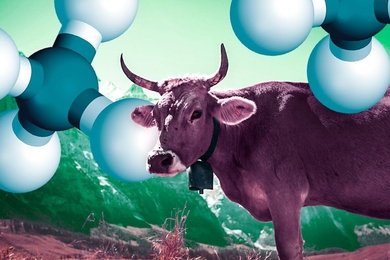
New detector sniffs out origins of methane
Instrument identifies methane’s origins in mines, deep-sea vents, and cows.
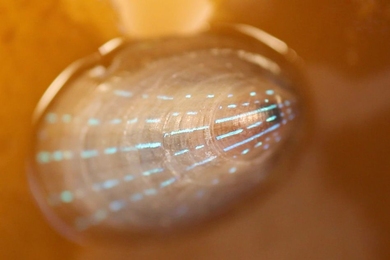
A mollusk of a different stripe
Optical features embedded in marine shells may help develop responsive, transparent displays.
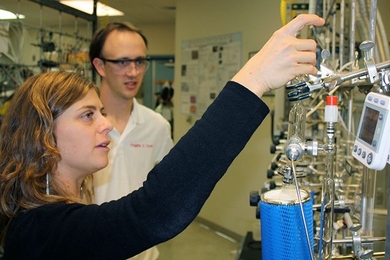
Solving carbon mysteries of the deep ocean
New research from MIT and the Woods Hole Oceanographic Institution reveals a hidden deep-ocean carbon cycle.
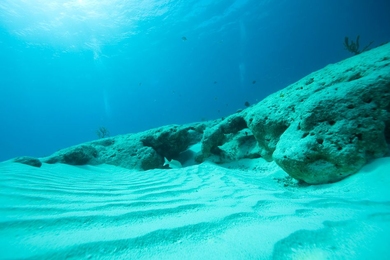
Waves in the deep
New study examines role of acoustic-gravity waves as ocean transport, early warning of tsunamis.
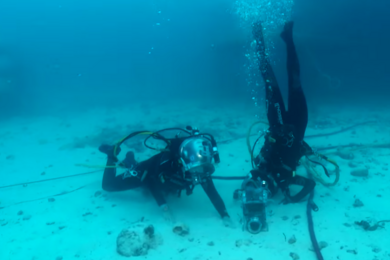
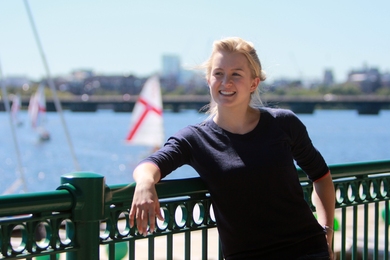
Slow-motion science and the art of capturing marine life
New MIT exhibit features high-speed underwater photography by former aquanaut Grace Young ’14.
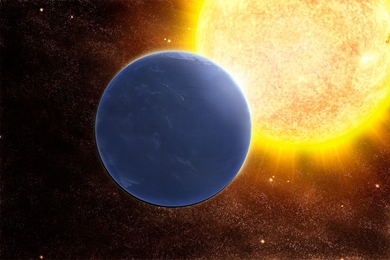
Life on an aquaplanet
MIT study finds an exoplanet, tilted on its side, could still be habitable if covered in ocean.
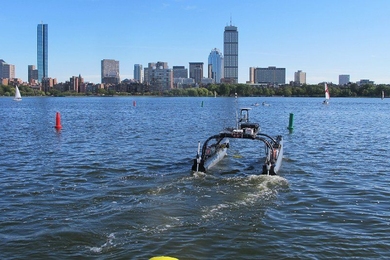
Team of MechE and CSAIL students wins grand prize in Maritime RobotX Challenge
Students partnered with Olin College of Engineering students to build an unmanned surface vehicle.
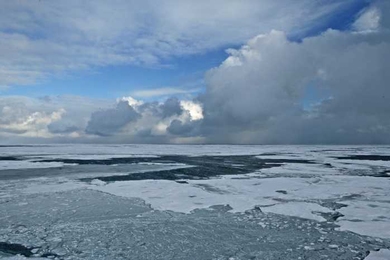
Solving the polar climate conundrum
According to MIT researchers, ocean circulation explains why the Arctic feels the effects of global warming much more than the Antarctic.
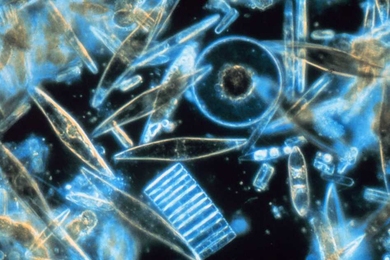
Broadening the 'SCOPE' of microbial oceanography
With an infusion of funds from the Simons Foundation, a collaboration between MIT researchers and colleagues will break new ground in the study of marine microbes.
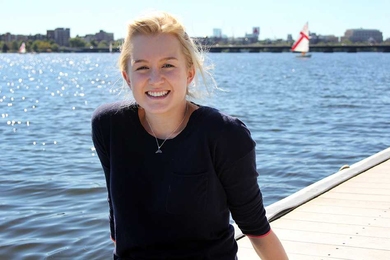
Undersea living: Alumna joins Cousteau mission
What’s it like living on the bottom of the ocean for more than two weeks? Nicer than you might think, according to Grace Young ’14.
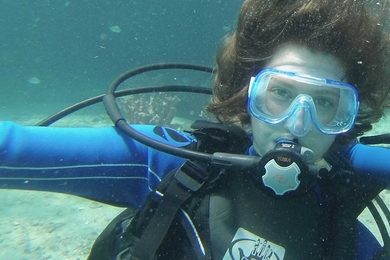
Going local in the "Coral Triangle"
MIT researcher Kelly Heber is helping Balinese fishing communities build coral-reef management systems in the most vulnerable marine habitats.