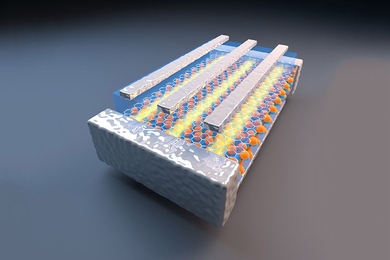
New 2-D quantum materials for nanoelectronics
MIT team provides theoretical roadmap to making 2-D electronics with novel properties.
MIT team provides theoretical roadmap to making 2-D electronics with novel properties.
Nanoparticles that enable both MRI and fluorescent imaging could monitor cancer, other diseases.

New approach may enable more stable and accurate portable atomic clocks.

Two Institute Professors are among 19 new recipients of the nation’s highest civilian honor.
Silvija Gradečak’s nanoscale work creates big-scale results that could transform energy production, storage, and lighting.

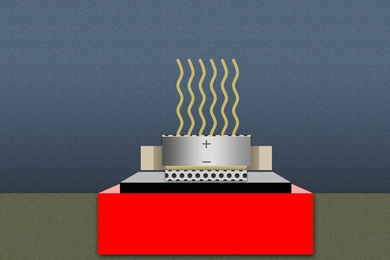
Coating prevents electrical current from damaging the digestive tract after battery ingestion.
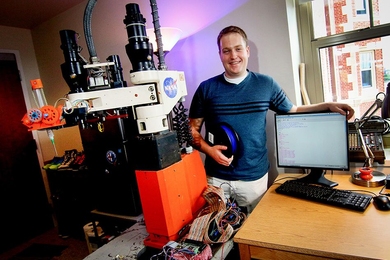
Senior Nathan Spielberg uses 3-D printing to build everything from nanoscale chips to houses.
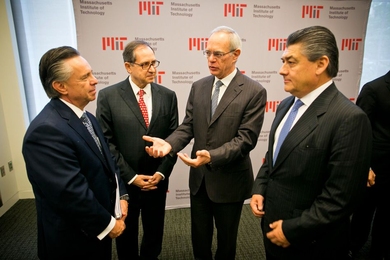

Metallurgist pushes grain boundaries: Nanostructured metal alloys deliver tougher materials, lower costs, and safer outcomes.
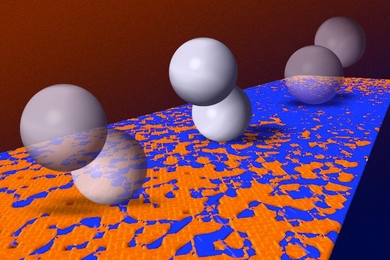
Technology could provide a way to deliver probes or drugs to cell structures without outside guidance.
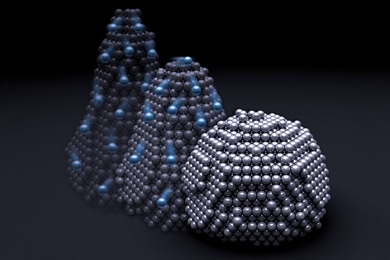
Unexpected finding shows tiny particles keep their internal crystal structure while flexing like droplets.
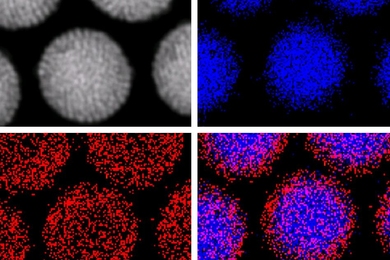
New method produces particles that can glow with color-coded light and be manipulated with magnets.
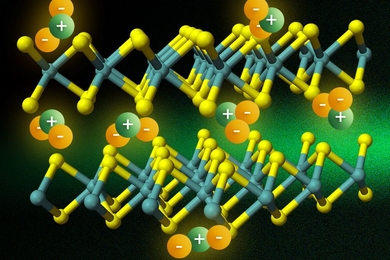
New mechanism of photoconduction could lead to next-generation excitonic devices.