
MIT scientist helps build Covid-19 resource to address shortage of face masks
Jill Crittenden and colleagues in a new consortium provides guidance for health care workers on decontamination and reuse of N95 face masks.
Jill Crittenden and colleagues in a new consortium provides guidance for health care workers on decontamination and reuse of N95 face masks.
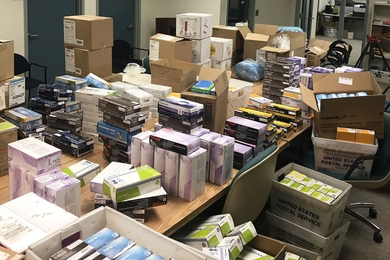
Labs across campus respond to a call; MIT sends thousands of items directly to area hospitals in need.
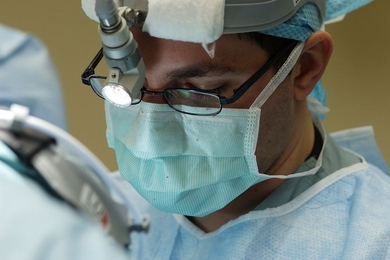
Professor Martin Culpepper provides caution on the use of 3D printing to make masks and other PPE for individuals on the front lines of the Covid-19 crisis.

A week of learning with MIT Bootcamps sparked ideas that Jal Panchal and Maria Hahn are taking forward to solve problems in health care.
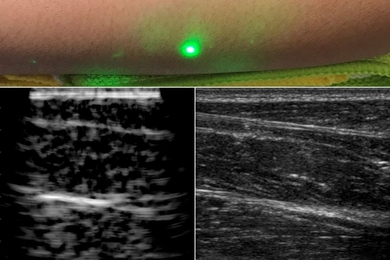
Technique may help remotely image and assess health of infants, burn victims, and accident survivors in hard-to-reach places.

Discovery could enable longer-lasting and better-functioning devices — including pacemakers, breast implants, biosensors, and drug delivery devices.
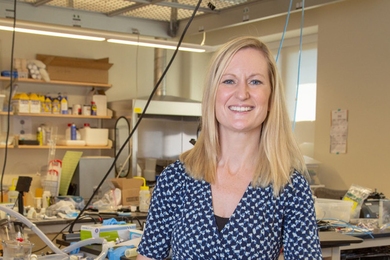
Assistant Professor Ellen Roche develops revolutionary medical devices through research at the crossroads of medical science and engineering.
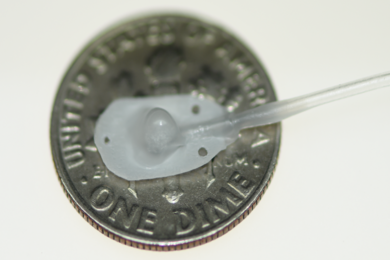
“Therepi” device attaches directly to damaged heart, enabling delivery of medicine from a port under a patient’s skin to augment cardiac function.
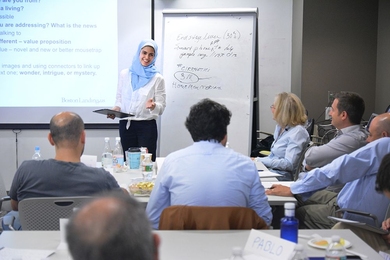
Seven-month program includes 14 international groups, who are convening at the Institute to develop new biomedical technologies.
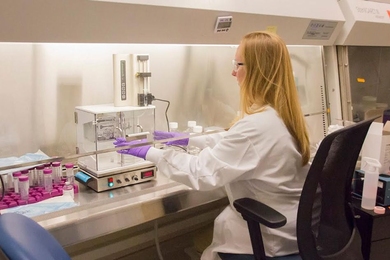
Startup develops implantable, encased cells that live in the body and secrete insulin and other therapeutics.
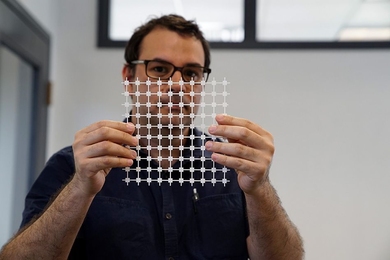
Modular blocks could enable labs around the world to cheaply and easily build their own diagnostics.
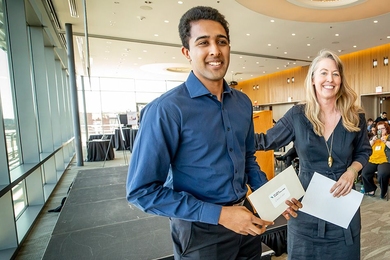
At annual event, 10 teams split $92,500 in prize money for designing innovations that improve lives worldwide.
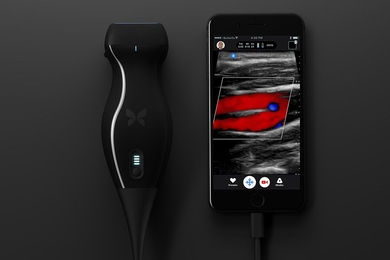
Startup’s low-cost, portable scanner generates clinical-quality ultrasounds on a smartphone.
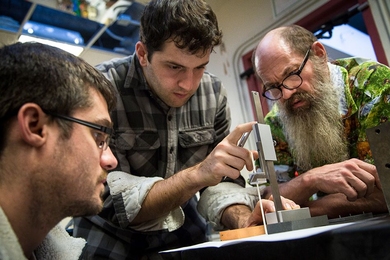
Class brings together MIT students and clinicians from local hospitals to design medical devices that address real-world health needs.
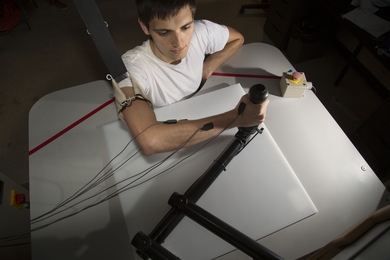
Mechanical engineering researchers are developing new and innovative ways to improve health care.