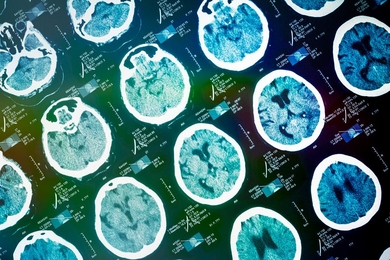
Predicting change in the Alzheimer’s brain
Combining MRI and other data helps machine-learning systems predict effects of neurodegenerative disease.
Combining MRI and other data helps machine-learning systems predict effects of neurodegenerative disease.

Good ideas never exist in a vacuum. Here's how five MIT alumni are putting big ideas into real-world practice.
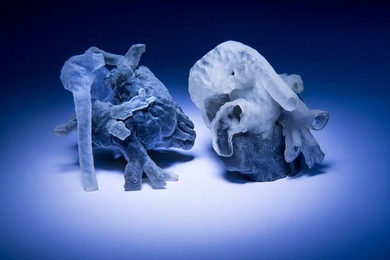
System can convert MRI scans into 3D-printed, physical models in a few hours.
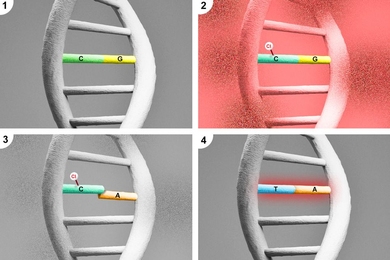
Researchers discover how the immune system can create cancerous DNA mutations when fighting off infection.
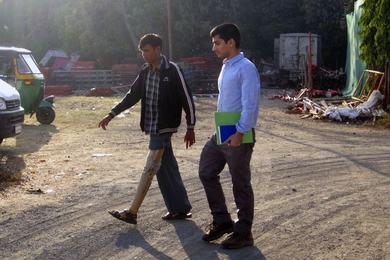
Researchers design cheap prosthetic knee that mimics normal walking motion.
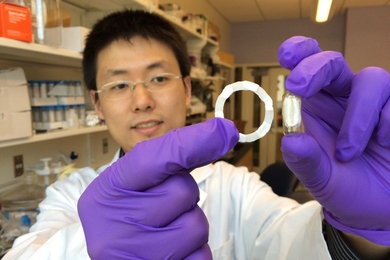
A pH-responsive polymer gel could create swallowable devices, including capsules for ultra-long drug delivery.
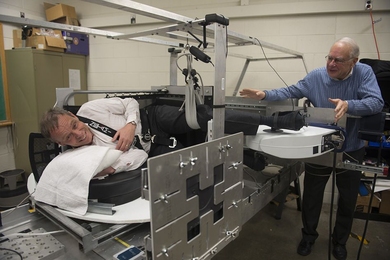
A combination of exercise and artificial gravity may lessen negative effects of weightlessness in space.
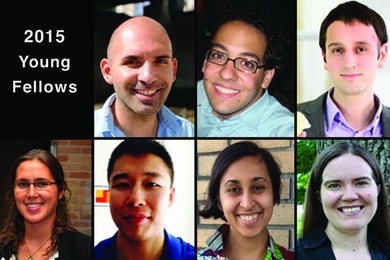
New cohort of fellows to carry on humanitarian tradition at MIT.


Bhatia is recognized for her work in tissue engineering, disease detection, and advocacy for women in STEM.
Model from MIT's Computer Science and Artificial Intelligence Laboratory aims to automatically distinguish lymphoma subtypes.
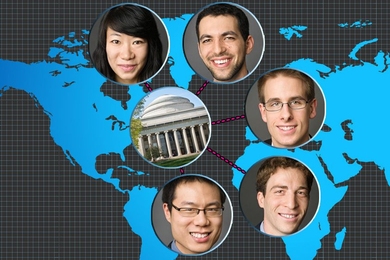
Recipients, all immigrants or children of immigrants, win $90,000 apiece to support graduate studies.

In middle-schoolers, neuroscientists find differences in brain structures where knowledge is stored.

Peer-to-peer application outperforms conventional self-help technique for easing depression, anxiety.