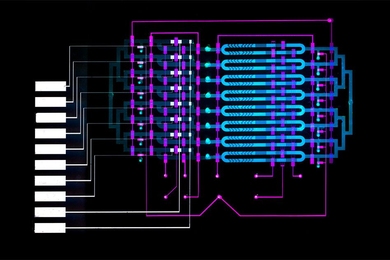
Microfluidics device helps diagnose sepsis in minutes
When time matters in hospitals, automated system can detect an early biomarker for the potentially life-threatening condition.
When time matters in hospitals, automated system can detect an early biomarker for the potentially life-threatening condition.
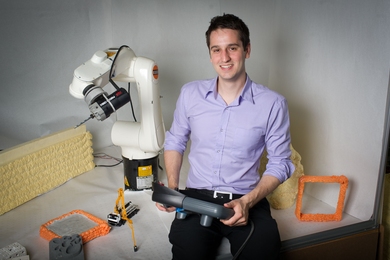
Steven Keating SM'12, PhD '16 inspired millions with his research-driven approach to battling cancer and his advocacy for open patient health data.
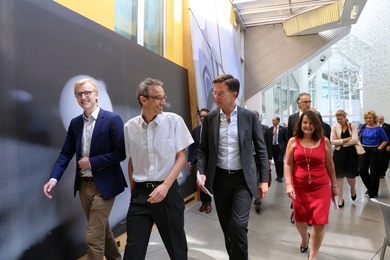
Dutch delegation visits the Institute for a tour focused on computing, robotics, and health care innovation.
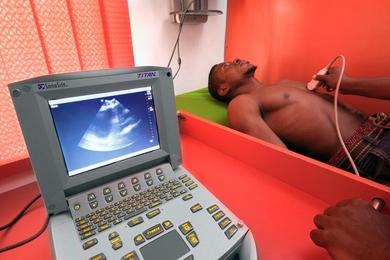
MDaaS Global works to transform health care in Africa by bringing high-end medical diagnostics to low-income communities.
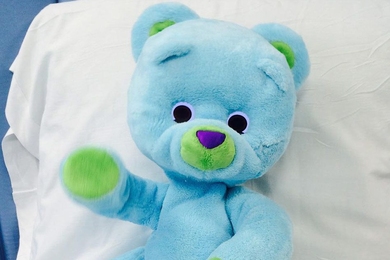
Interacting with a robotic teddy bear invented at MIT boosted young patients’ positive emotions, engagement, and activity level.
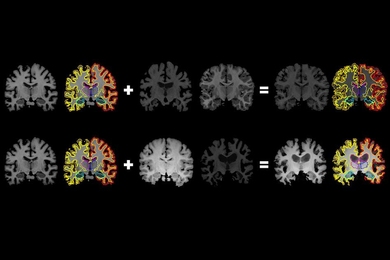
System helps machine-learning models glean training information for diagnosing and treating brain conditions.

In some cases, radio frequency signals may be more useful for caregivers than cameras or other data-collection methods.
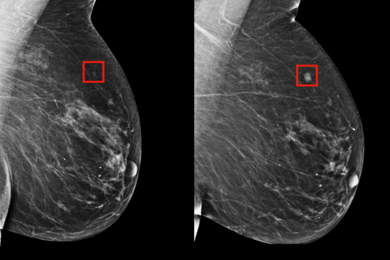
MIT/MGH's image-based deep learning model can predict breast cancer up to five years in advance.
Projects will develop new AI technologies that detect and prevent diseases.

The one-year Scale-Ups Fellowships program provides each fellow with a $20,000 grant and support tailored to address their specific needs.
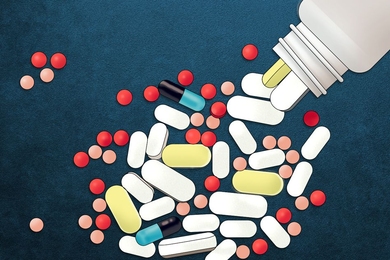
Most pills contain compounds with potential to cause allergic reactions or discomfort in some patients.

The GOSSIS algorithm was developed using data from hospitals around the world to spur greater multi-center collaboration and improved benchmarking.
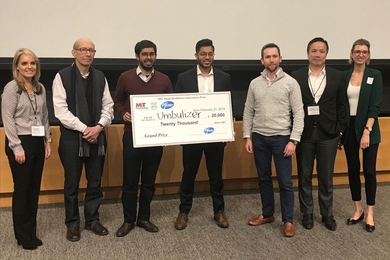
Device was one of eight inventions pitched at this year’s MIT Sloan Healthcare Innovations Prize competition.
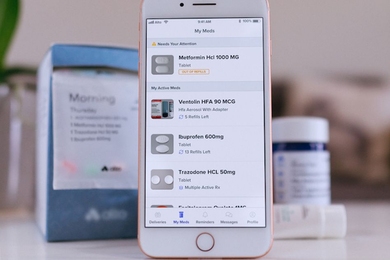
Alto Pharmacy uses software and an innovative operations model to improve access to medication.
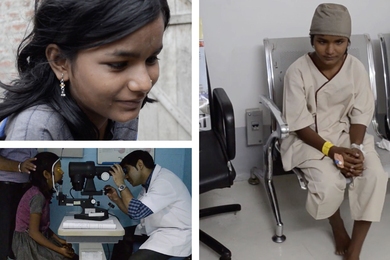
Professor Pawan Sinha addresses a humanitarian need — treatable blindness — and advances our understanding of visual development in the brain.