
Planning for death, as a way to improve life
Startup co-founded by alumna Suelin Chen helps people share their end-of-life wishes with loved ones.
Startup co-founded by alumna Suelin Chen helps people share their end-of-life wishes with loved ones.
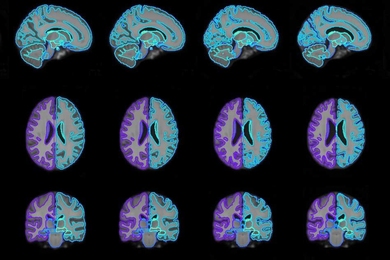
Model quickly generates brain scan templates that represent a given patient population.
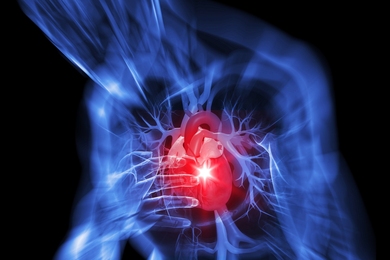
Finding could help overturn the prevailing notion that men and women experience angina differently.
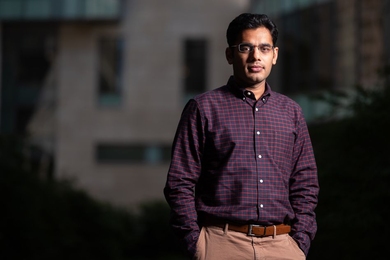
MIT economist Nikhil Agarwal analyzes the efficiency of markets that match suppliers and consumers but don’t use prices.

Senior Kristy Carpenter aims to leverage artificial intelligence and other computational tools to develop new, more affordable drugs.

Model could recreate video from motion-blurred images and “corner cameras,” may someday retrieve 3D data from 2D medical images.
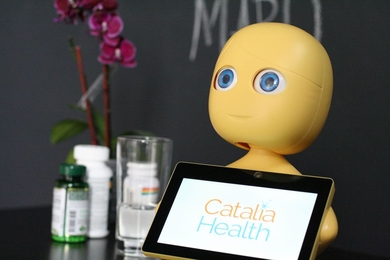
Move over, Alexa and Siri. Talking Mabu robot provides one-to-one support while relaying information to doctors.
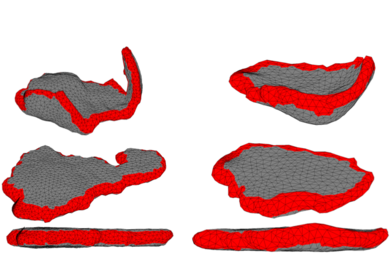
New technique stretches out MRI scans of placentas so they can be more accurately analyzed, and shows the potential of MRI for pregnancy monitoring.
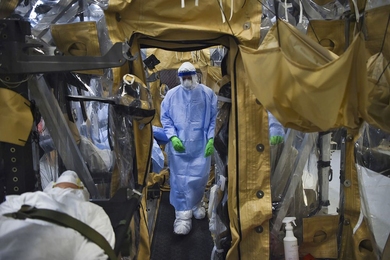
New methodology may be used to respond to other endemic diseases.
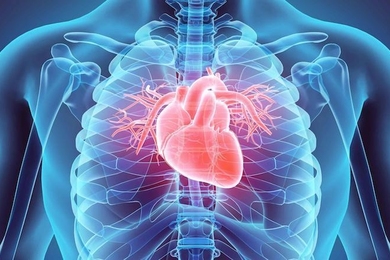
CSAIL system uses a patient's ECG signal to estimate potential for cardiovascular death.
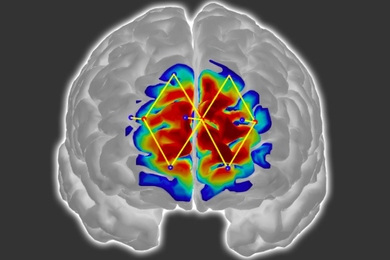
System could help with diagnosing and treating noncommunicative patients.
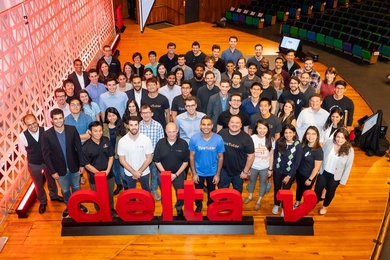
MIT’s delta v accelerator concludes with presentations from participants and encouragement for all students.

MIT associate professor of urban studies Mariana Arcaya examines health disparities within metro areas.

Model replaces the laborious process of annotating massive patient datasets by hand.
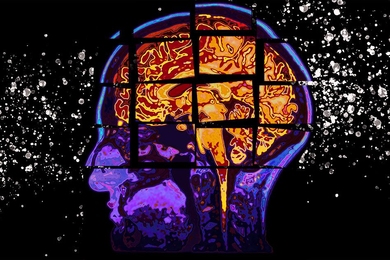
Researchers hope the system can zero in on the right patients to enroll in clinical trials, to speed discovery of drug treatments.