J-Clinic names 18 grant recipients from across Institute
Projects will develop new AI technologies that detect and prevent diseases.
Download RSS feed: News Articles / In the Media / Audio
Projects will develop new AI technologies that detect and prevent diseases.
Hackathons promote doctor-data scientist collaboration and expanded access to electronic medical-records to improve patient care.
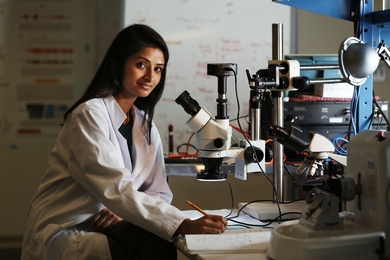
New optogenetic technique could help restore limb movement, treat muscle tremor.

Four seniors in the Principles and Practices of Assistive Technology program designed an audible device to help an MIT employee navigate on the water.
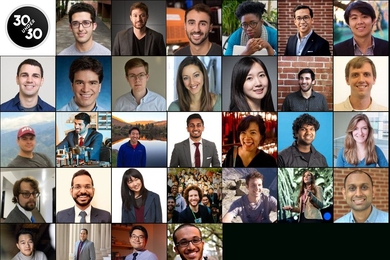
Forbes calls its 2019 30 Under 30 honorees “a collection of bold risk-takers who are putting a new twist on the old tools of the trade.”
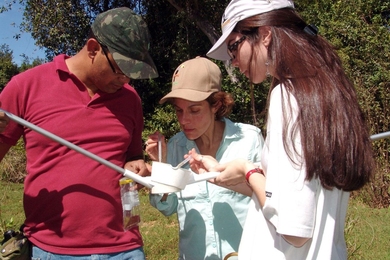
MIT spinoff is changing the way mosquito-borne illnesses are diagnosed and aims to influence how public health officials react to disease outbreaks.
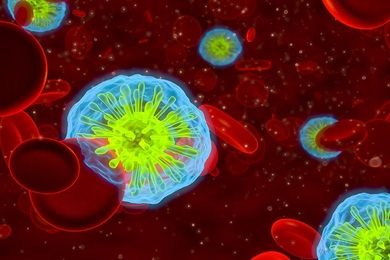
Model predicts whether ER patients suffering from sepsis urgently need a change in therapy.

Smartphone app developed by Emily Lindemer PhD '17 uses social contacts and location information to give gentle reminders for staying engaged with recovery.
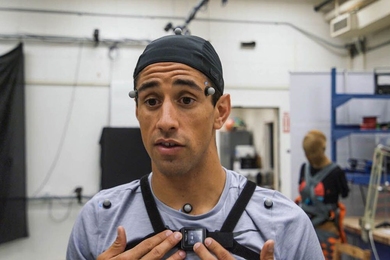
PhD student Richard Fineman is using wearable sensors to understand coordination and walking — and next-generation spacesuit design.
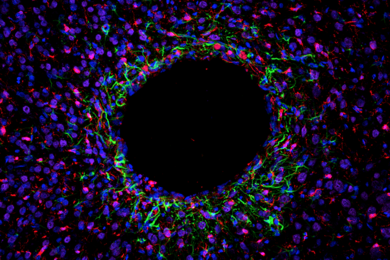
MIT researchers develop new tools to enable targeted delivery of drugs to deep brain structures through implanted microprobes.
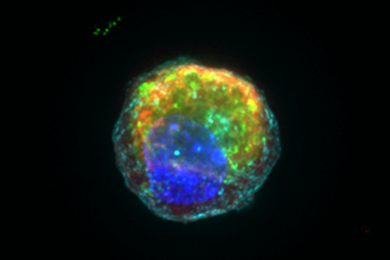
Researchers generate an intestinal cell mimic that can be harnessed in studies of diseases such as inflammatory bowel disease.
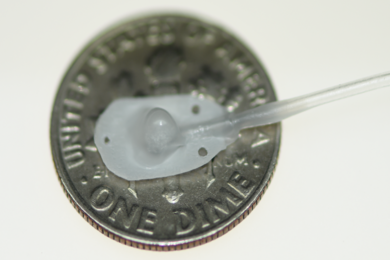
“Therepi” device attaches directly to damaged heart, enabling delivery of medicine from a port under a patient’s skin to augment cardiac function.
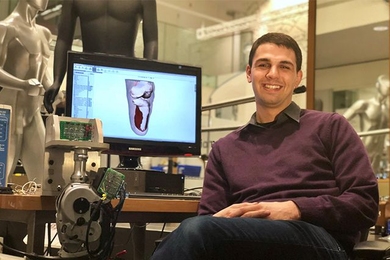
Award honors top collegiate inventors in the United States.
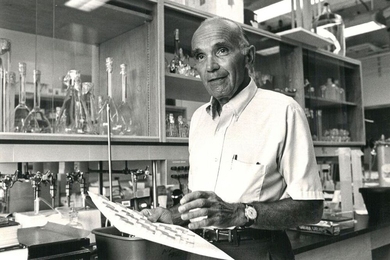
Longtime biology professor and expert in hemoglobin synthesis was committed to the integration of biomedical research, education, and medical practice.
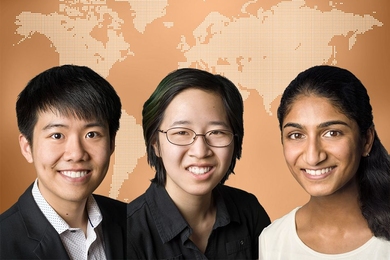
Award honors immigrants’ contributions to the United States.