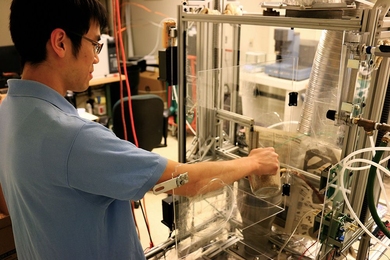
Tapping the hidden value of farm waste
MIT researchers are developing mobile torrefaction technology that can convert biomass into clean-burning fuel, unlocking potential income for farmers.
MIT researchers are developing mobile torrefaction technology that can convert biomass into clean-burning fuel, unlocking potential income for farmers.
Energy scenarios provide useful decision-support tools for policymakers and investors.

In Rome, MIT President Reif and Eni CEO Descalzi discuss low-carbon breakthroughs and future research.
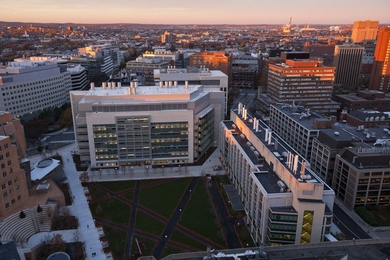
MIT releases results of its second campus-wide inventory.

Through warming effects, methane and other gases impact rising seas long after leaving the atmosphere.

Paul Kishimoto, a PhD student in IDSS, probes the future of transportation in China.

New technique predicts frequency of heavy precipitation with global warming.
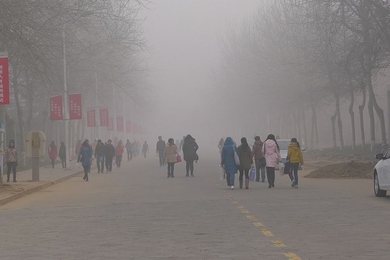
How an enhanced cap-and-trade system can help the world’s top carbon emitter cut emissions and improve air quality.

Emissions trading would be more effective than mileage standards, new study shows.

MIT’s vice president for research discusses the challenges ahead for MIT and the world.

Workshop explores ways to reduce or eliminate the carbon footprint of seawater desalination plants.
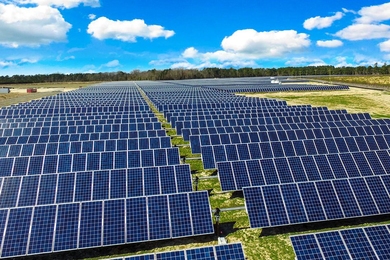
Partnership of three local organizations could set a sustainability example for others to follow.

Low-Carbon Energy Centers are engaging across industries and sectors in advancing climate solutions.

Report projects impacts of 2015 Paris climate agreement, identifies emissions paths/technology advances needed to limit global warming to 2 degrees Celsius.
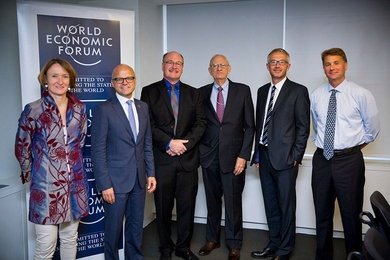
At Climate Week conference, MIT Joint Program lays out the 2 degree Celsius challenge for oil and gas producers.